The Unseen Burdens of Our Shores: A Nation’s Silent Struggle
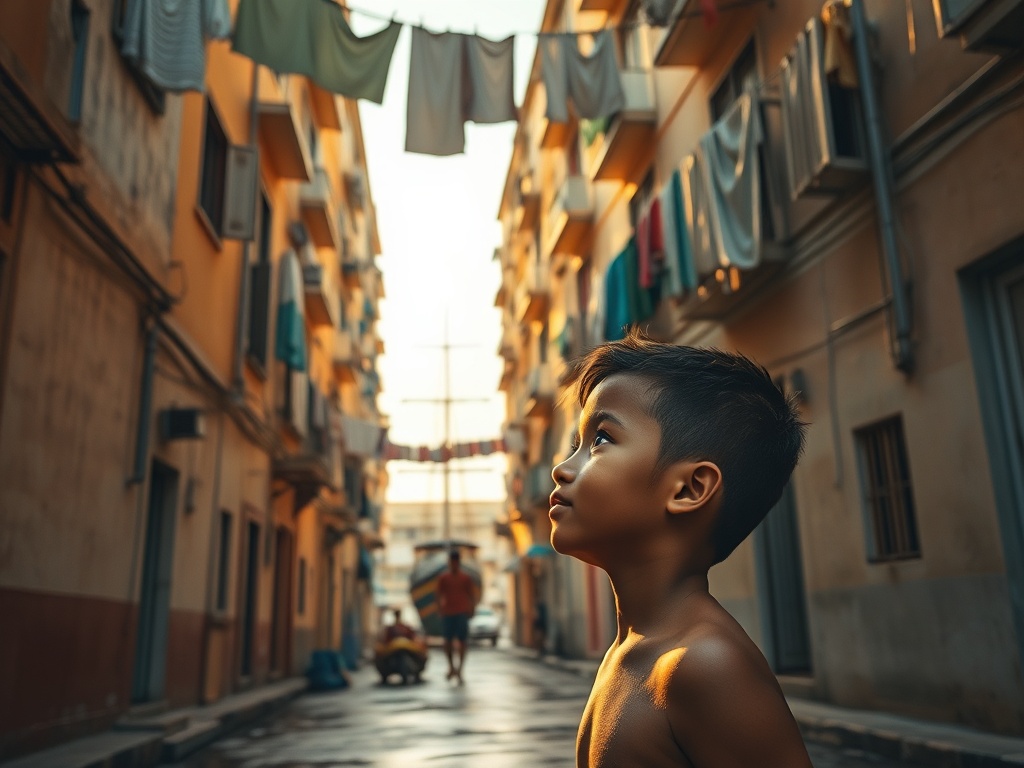
The afternoon sun casts long shadows across the narrow alleys of Malé, where the air hangs heavy with salt and exhaustion. In these crowded spaces, you can feel the weight of our islands—not just the physical weight of concrete buildings rising skyward, but the invisible burdens we carry every day.
At the corner shop, a mother calculates the price of rice against her remaining rufiyaa, her fingers tracing numbers on her palm. The numbers never seem to add up right anymore. Everything costs more—the fish, the flour, the school uniforms for her children. She remembers when her father could feed their family with what he caught from the sea, when the ocean felt like abundance rather than something we import from elsewhere.
Down the street, a young man sits on the steps of a mosque, staring at his phone screen. He's applied for seventeen jobs this month—from resort positions to government clerical work. Each rejection email feels like another door closing. He watches foreign workers arrive daily at the airport, wondering why there's no place for him in his own country. The education he worked so hard for seems to gather dust like the certificates framed on his wall.
In the housing blocks that tower over the city, families live stacked upon families. The lucky ones have flats through government programs, though many of these units stand empty—owned by absent leaseholders who treat them as investments rather than homes. Meanwhile, young couples postpone marriages because they cannot find a place to start their lives together. Our ancestors lived across many islands; now we're compressed into concrete vertical villages where privacy is a luxury and community is both comfort and confinement.
Yet in this pressure, there's a peculiar resilience. The fisherman who still goes out before dawn, his boat cutting through waves that have witnessed generations. The teacher who buys extra notebooks for students whose parents cannot afford them. The grandmother who shares her traditional remedies when medicine is scarce at the hospital. These small acts of endurance become the quiet rebellion against the forces that would diminish us.
The sea surrounds us still, its rhythm unchanged by our human worries. It reminds us that we've weathered storms before—both literal and metaphorical. The challenges we face today are real and heavy, but they're not the whole story. Between the struggle and the statistics are people finding ways to preserve their dignity, to care for one another, to imagine a future where the weight lifts just enough to breathe.
— Source fragments: High cost of living, housing crisis in Malé, unemployment among youth, import reliance, medicine shortages, expatriate competition for jobs