The Unspoken Cost of Progress
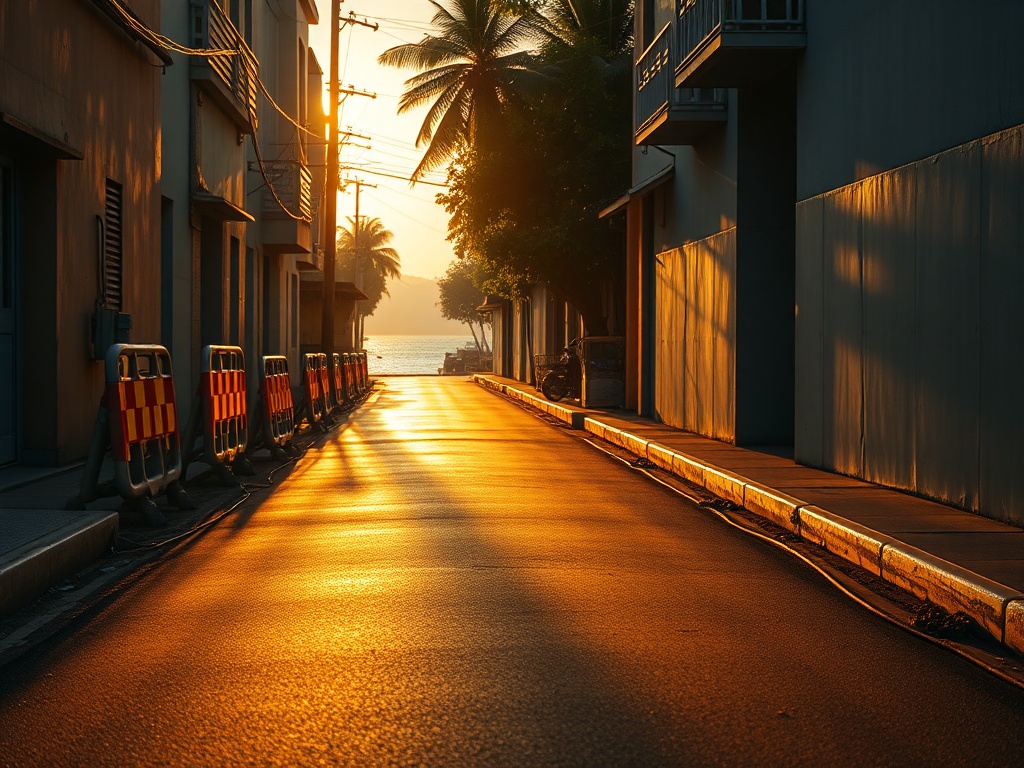
The announcement came through official channels, crisp and bureaucratic: Boduthakurufaanu Magu's northern side would close for resurfacing. Another pavement project completed, another election pledge checked off. Standing near the seawall, watching the golden hour light dance on the Indian Ocean, I felt the strange duality of our existence.
We celebrate the visible improvements—the smooth roads, the cleared pavements, the tangible evidence that someone is listening. Yet beneath this surface lies the unspoken reality that someone else articulated with brutal clarity: "No one is courageous enough to implement austerity measures."
The sea breeze carries more than the scent of salt today; it carries the weight of unasked questions. When we borrow domestically because international doors have closed to us, who ultimately bears the burden? The same people who walk these newly paved streets will eventually pay through indirect taxes and the silent erosion of their purchasing power.
There's a peculiar Maldivian resilience in this paradox. We appreciate the immediate improvements to our daily lives—the simple dignity of a smooth walkway, the convenience of repaired roads—even as we sense the deeper structural issues remain unaddressed. Like the coral foundations beneath our islands, our economy has both visible beauty and hidden fragility.
The decentralization debates continue in the atolls, the choice that wasn't given, the questions about whether systems were designed to fail. Yet here in Malé, the pavement work continues, a tangible reminder that leadership manifests in both grand visions and small repairs. Perhaps this is the Maldivian way—finding hope in the immediate while navigating the complex currents of larger challenges.
As the construction barriers go up on Boduthakurufaanu Magu, I wonder if progress isn't just about what we build, but about what conversations we're brave enough to have while the concrete dries.
— Source fragments: "pavement jobs are not neglected" + "No one is courageous enough to implement austerity measures" + "borrowing money domestically"