The Unspoken Tensions of Island Development
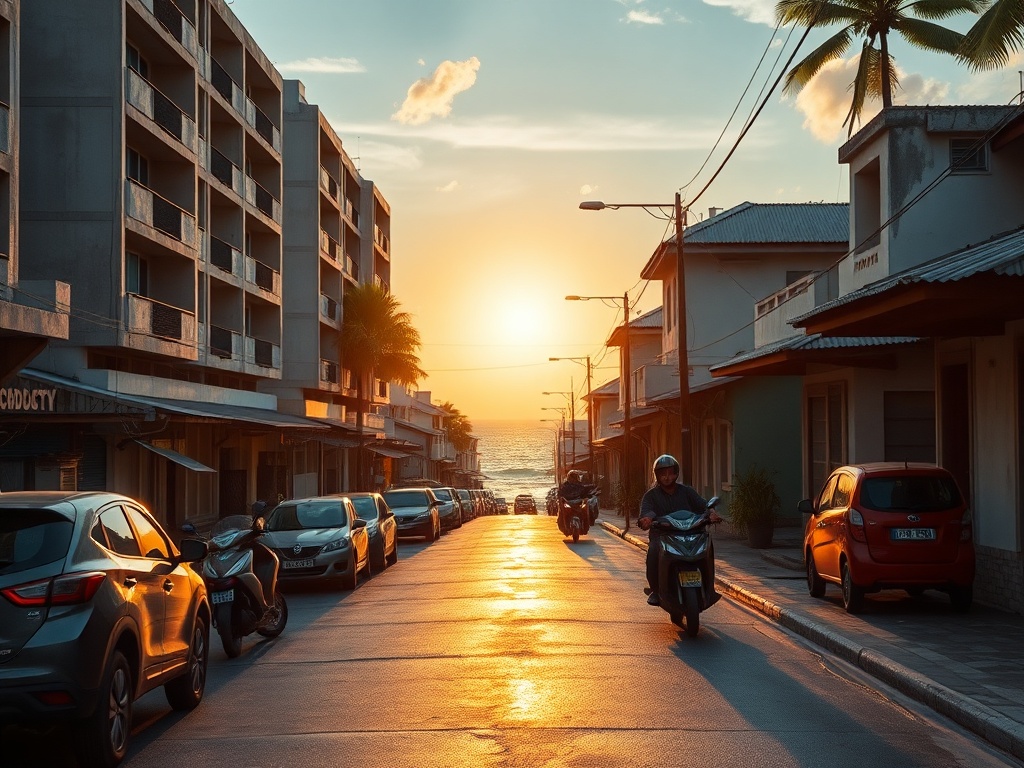
The concrete rises faster than the planning, they say. When you build that many flats and buildings, only a fool wouldn't include enough parking to accommodate all those people. But here we are, watching the horizon change, watching the familiar skyline of our islands become something else entirely.
There's a particular tension in the air these days—a feeling that extends beyond the physical crowding of vehicles. It's in the way people speak in hushed tones about voting decisions, about standing up to certain families and saying no to certain names. When someone says they'll truly admire the people of an island if they vote to remain, you can feel the weight behind those words. It's not just about politics; it's about identity, about resisting the slow erosion of what makes a community.
I think of Felidhoo dhaaira, that distinctive shape against the sky that someone recognized from afar. These landmarks become anchors in times of change. The frantic DMs between islands—"Can someone from Feydhu please contact me?"—speak to the networks we build to navigate these uncertain waters.
In the Maldives, development often comes with unspoken costs. The parking shortage is just the visible symptom of deeper planning failures. The political pressures are just the surface of community fractures that run deep. We build upward while the foundations of our social fabric strain beneath us. The ocean that surrounds us has always been our constant, but the land we stand on feels increasingly contested, increasingly crowded, increasingly complicated.
What does it mean to remain true to an island's character when everything around it is changing? The answer might be found not in the grand political statements, but in the small spaces between buildings where neighbors still greet each other, in the shared frustration over inadequate planning, in the quiet admiration for those who choose to stand their ground.
— Source fragments: Parking inadequacy with new development; Recognition of Felidhoo landmark; Urgent community connections; Admiration for voting to remain against certain interests