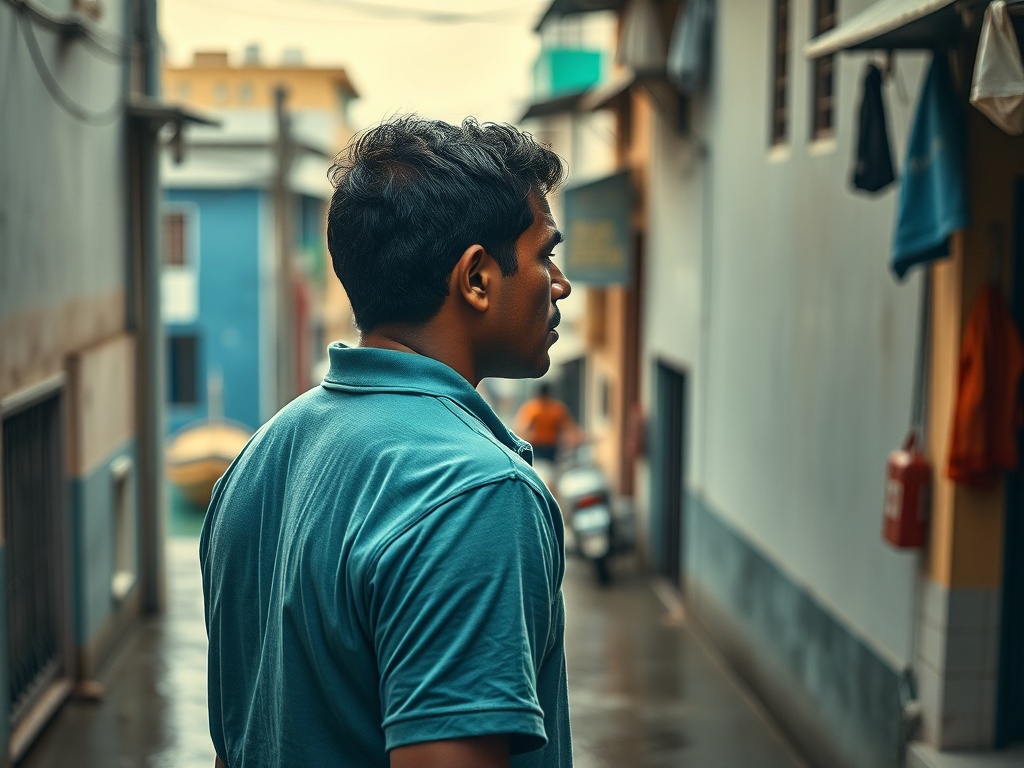
The Vanishing Shore: A Nation Adrift Between Island and Identity
The sea has always been our constant, the rhythm of waves against the shore a familiar heartbeat. Yet in recent years, another rhythm has emerged—the steady migration from outer islands to the crowded streets of Malé, where the horizon is no longer endless ocean but concrete buildings reaching for the sky. Sometimes I wonder if we've lost something essential in this transition, if the reclamation projects that expanded our land also shrank our sense of community.
Malé has transformed, its identity shifting like the sands we've dredged from the seafloor. The old saying 'Male ah ufan Male' meehun'—what does it mean now, when so many come seeking opportunity but find themselves suspended between worlds? People migrate to the capital region and rarely return, building lives in this new space yet remaining tethered to islands they may not see for years. Their voices echo in policy debates: should voting rights follow where we live rather than where we were born? Should belonging be measured by property ownership or by daily contribution to a community?
There's a tension here, between the pull of ancestral homes and the practical realities of modern life. When development concentrates in one region, when everyone crowds into the same spaces, we risk creating hierarchies of belonging—as if some Maldivians are more entitled to shape their communities than others based on land deeds or family history. This tribal mindset persists even as our geography changes.
Yet beneath these political questions lies something more human: the universal need to be seen, to have a say in the places we call home. The mother's love that grounds us, the self-worth we must cultivate when external validation falters. In a nation of islands, both literal and metaphorical, we're all navigating the same waters—seeking anchor points in relationships, in community, in the right to influence the policies that shape our daily lives.
Perhaps the solution isn't in tighter restrictions or longer residency requirements, but in recognizing that home isn't just where we're from—it's where we build, where we contribute, where we plant ourselves and grow. As the tides of development continue to reshape our nation, we must ensure that no Maldivian becomes a stranger in their own land, that every voice finds its place in the chorus that shapes our shared future.
— Source fragments: Having a requirement to reside for a minimum amount of time is fine so long as it does not subject one to a decade long weight. But one should be able to as soon as is possible to elect representatives, have a say on policy and enjoy the fruits of it where they reside; Any policy which recognizes anyone as being more belonging to a particular island smacks of hypocrisy and double-standards; Shall we let go of our tribal mindset and tighten as well as enforce laws that recognize the right of all Maldivians to influence policy through voting; Along the way, Male' has lost its identity; As far as I know, most people who migrate to the Malé region rarely go back. It makes more sense for them to vote where they live, not just where they were born; The only person who truly loves you for you is your mother. She will someday grow old and wither away. My advise, learn to love yourself, create value in your character