The Weight of Affordable Fruit
The chatter scrolled by—cigarette heists worthy of Netflix, political figures who might flee with bags of money or end up in jail, debates over long hair and religious sunnah, and the grim mechanics of pension funds being used as government ATMs. The digital noise was a constant, low hum of national anxiety, a reflection of the high cost of living and the feeling that the ground was always shifting.
Then, cutting through it all, a simple, repeated line: 'Now at STO, we can get fruits and vegetables at affordable prices.'
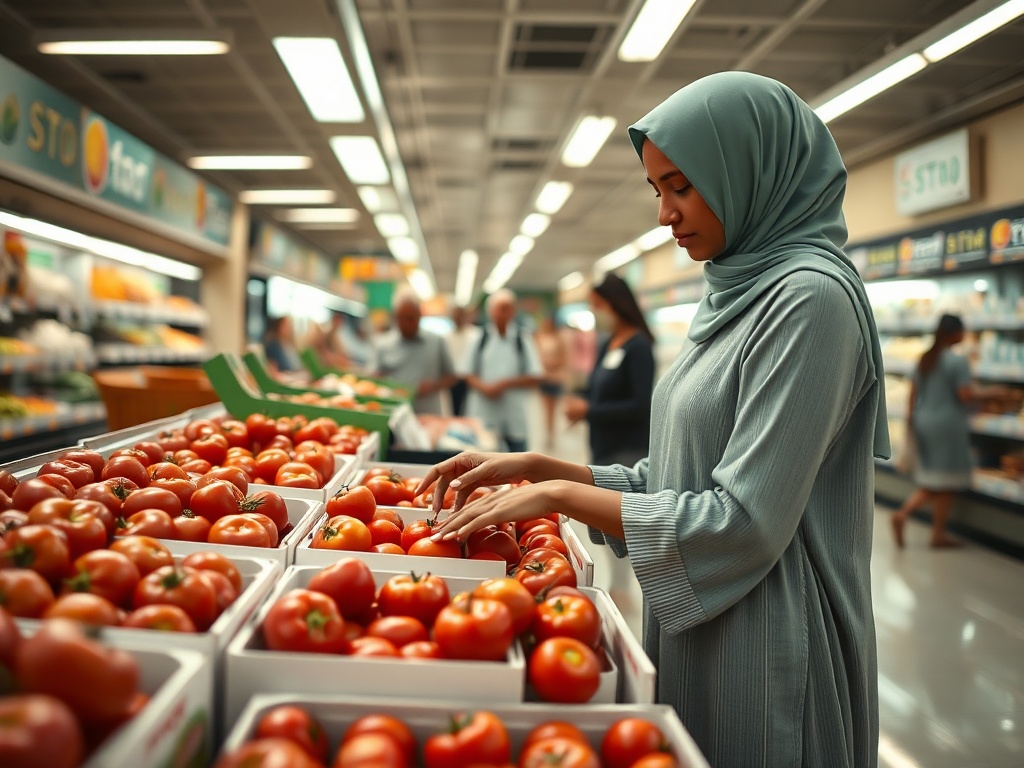
In a capital city where the sea breeze often carries the scent of diesel and densely packed lives, this statement isn't just a grocery update. It's a small, tangible victory. For a moment, the grand narratives of corruption and fiscal indiscipline recede. The image isn't of a heist or a fleeing politician, but of a mother feeling the firm skin of a tomato, its price not a source of dread. It's of a father able to buy a bunch of bananas without mentally calculating the week's remaining budget. At the STO counter, with the fluorescent lights humming and the sound of plastic bags rustling, there is a fleeting sense of order. The weight of a papaya in your hand is a truth more immediate than any political promise or economic warning. This is the daily life that persists—the search for a good onion, the hope for a sweet mango—while the larger, more chaotic story of the nation plays out on screens and in whispered conversations. In the end, the most profound revolutions are sometimes silent, measured not in protests or policy, but in the ability to simply feed your family without the knot of financial fear tightening in your stomach. This small relief, this pocket of affordability, becomes an anchor in the stormy sea of everything else.
— Source fragments: Now at STO, we can get fruits and vegetables at affordable prices. Now at STO, we can get fruits and vegetables at affordable prices.
— Tone: wistful