The Weight of Empty Promises
The afternoon sun casts long shadows across the crowded streets of Malé, where the air hangs heavy with salt and exhaust fumes. Another political speech echoes from a nearby screen, full of ambitious targets and grand declarations. But down here, in the narrow lanes between concrete buildings, the reality feels different. The gap between what's promised and what's delivered grows wider with each passing season.
There's a particular weariness that settles in when solutions are designed to look good rather than work well. Like the housing blocks that rise impressively against the skyline, yet remain empty for those who need them most. Or the tourism numbers that get polished for presentation while the real challenges—the foreign currency shortages, the rising costs that squeeze ordinary families—continue untouched.
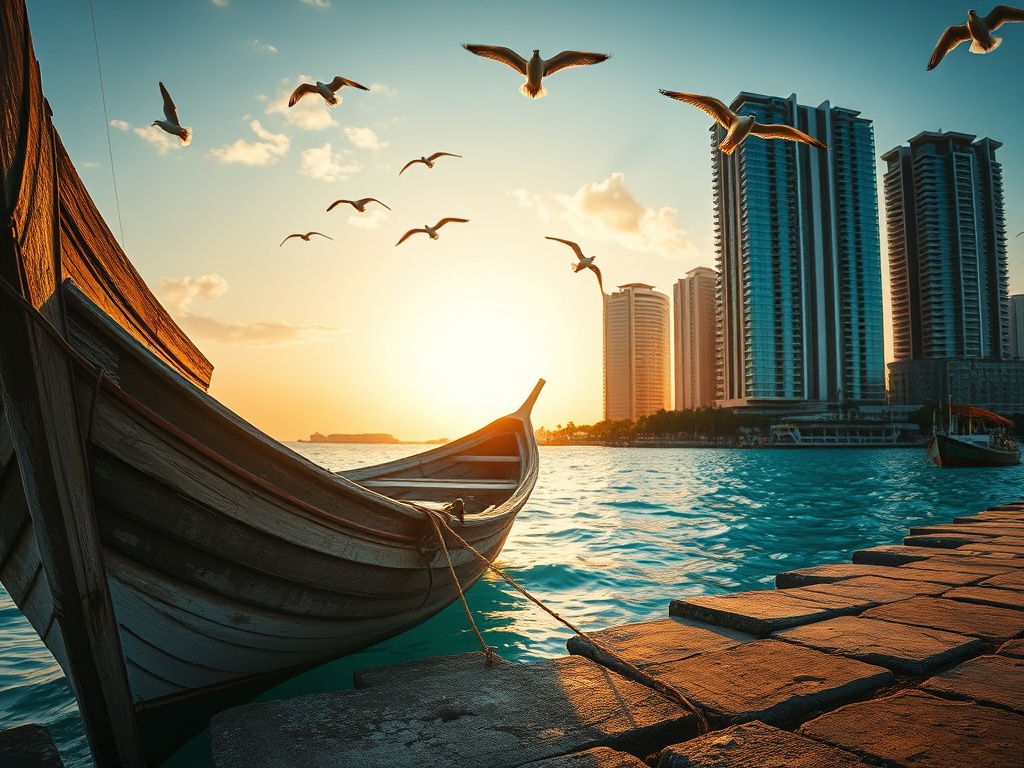
In the islands, we've always understood that a well-built boat matters more than a brightly painted one. The sea shows no mercy for aesthetic choices when the monsoon winds arrive. Yet in our politics, we've somehow accepted this reversal of values—where appearance trumps function, where the goal becomes presenting higher numbers rather than solving actual problems.
The fishermen heading out at dusk don't care about political rhetoric. They care about whether their engines will start, whether the ice plant will have power, whether they can earn enough to feed their families. Their world operates on functional truths—the boat either floats or it doesn't, the net either catches fish or it doesn't. There's no room for presenting things as better than they are when survival depends on things actually working.
Perhaps this is why there's such deep cynicism growing beneath the surface of our political conversations. When every solution seems designed for show rather than substance, when the focus is on winning the next election rather than fixing what's broken today, people learn to stop expecting real change. They learn that the beautiful speech matters more than the functioning system, that the impressive statistic matters more than the improved life.
But the sea continues its relentless rhythm, reminding us that some truths cannot be polished or presented differently. They simply are. And eventually, reality always has its say.
— Source fragments: "The whole ethos of solutions should be to make is functionally sound, not aesthetically pleasing." "However, if we want to present higher" "it's called good policy. muslim countries dont have good policies. that's why we have shitty countries."