The Weight of Water
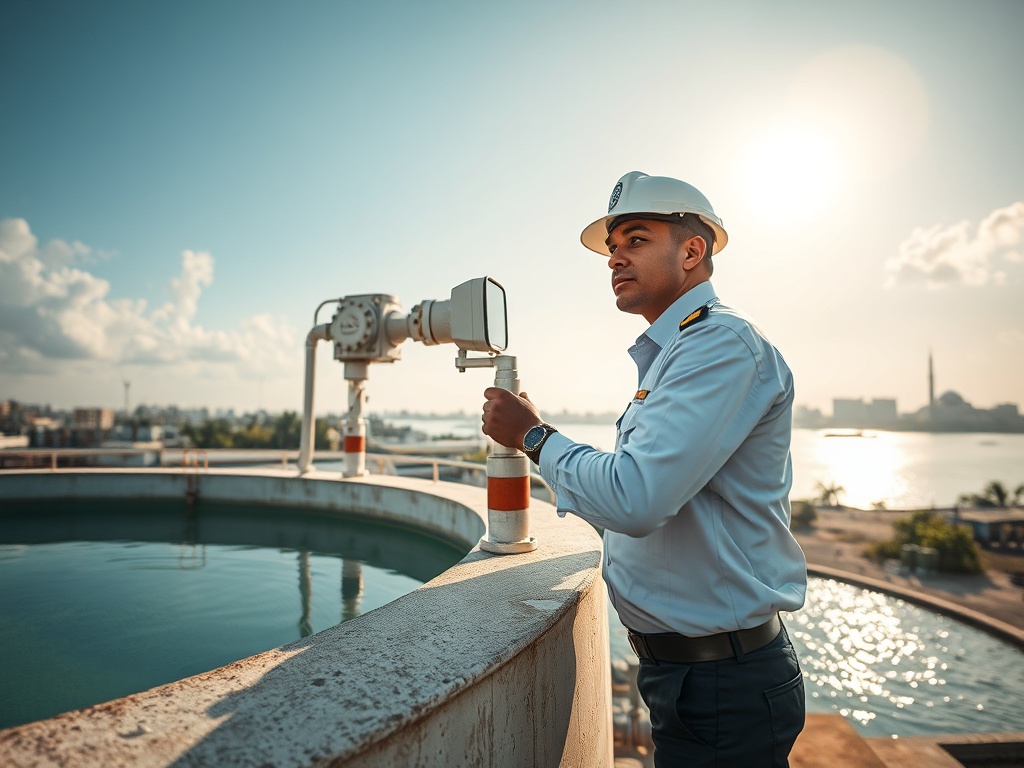
The morning sun catches the surface of the water treatment tanks, turning them into mirrors of shimmering light. As an engineer at MWSC, this is my daily view—the quiet, steady work of keeping our islands safe, one drop at a time. While social media erupts with debates about religion, politics, and foreign influence, I'm here checking chlorine levels, ensuring they're precisely within the safe drinking limits.
People often ask me about the water—whether it's safe straight from the tap. I tell them the same thing I've told my own family: the chlorine is what protects you. It's the invisible guardian against the illnesses that once plagued our grandparents' generation. In a nation where we're surrounded by saltwater, the precious freshwater that flows through our pipes represents something fundamental—our collective wellbeing.
Sometimes, late in the afternoon when the sea breeze picks up and carries the scent of salt and diesel across Malé, I think about how simple this responsibility feels compared to the complex arguments raging online. While politicians debate military presence and religious interpretation, my work remains grounded in measurable facts—pH levels, bacterial counts, pipeline integrity. There's a purity to this engineering that politics can never touch.
The water doesn't care about your political affiliation or how you interpret scripture. It only responds to science, to careful monitoring, to the silent dedication of people who show up every day to do their jobs. When I go home to my family in Hulhumalé, watching my children drink straight from the filter, I'm reminded that some truths are simpler than our debates would suggest. The water is safe because people care enough to make it so—not because of any ideology, but because it's the right thing to do for our people, for our home scattered across this blue expanse.
— Source fragments: As an engineer at MWSC, I can assure you the chlorine in the water is what's keeping you safe and it's well within the limits for safe drinking