The Weight of Words in Island Politics
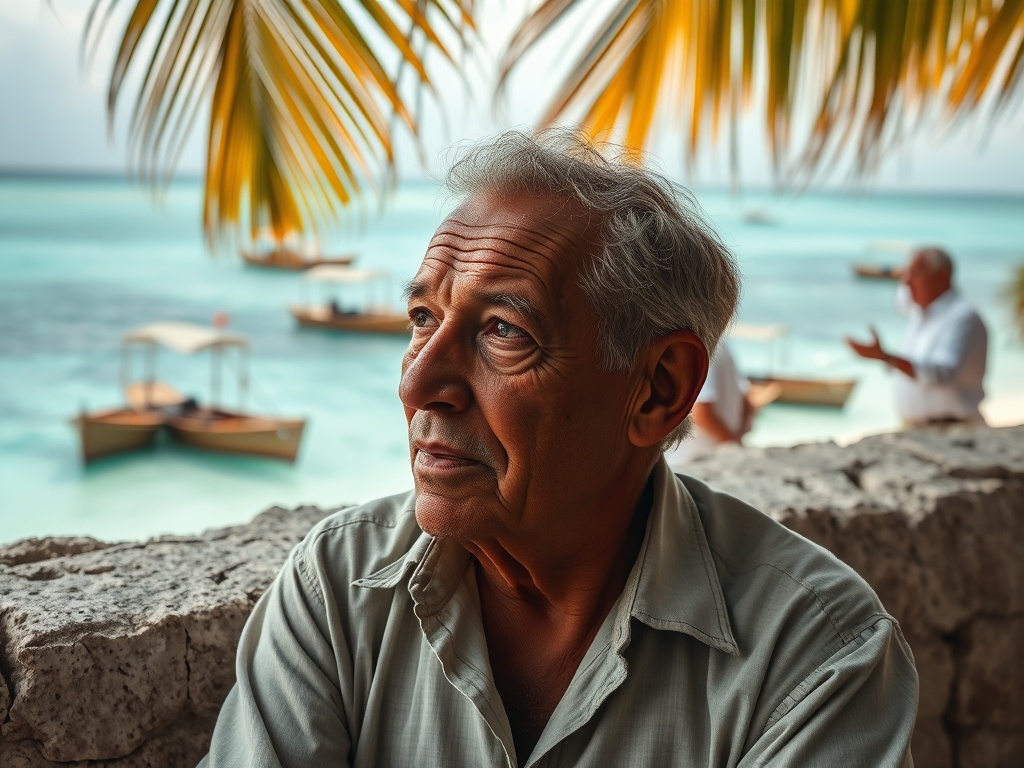
The afternoon sun glares off the white coral walls of Malé, and somewhere in this crowded island, another political argument unfolds. The words echo across social media, across tea shops, across family gatherings. "Vagu" they call each other—fool—the insult hanging in the humid air like the salt spray from the sea.
There's a particular weariness that settles in when you watch people who should be building something meaningful instead tear each other down with childish taunts. It reminds me of watching fishermen argue over whose net has the bigger catch while the boat drifts further from the school of fish. The energy spent on insults could have been used to steer toward calmer waters, toward solutions.
What strikes me most is how truth becomes collateral damage in these exchanges. When someone speaks a difficult truth but delivers it with the subtlety of a monsoon squall, the message gets lost in the delivery. The substance drowns in the spectacle. In a nation where every word carries across these small islands with the speed of a dhoni cutting through the lagoon, the weight of how we speak matters as much as what we say.
I think of the elders who used to sit in the evening shade, discussing community matters with careful words that built bridges rather than burned them. They understood that in a place where we're all connected by the same sea, the same limited land, the same shared challenges, the way we speak to one another shapes the society we build. Now we watch ministers and politicians whose words should carry the gravity of their positions instead trading insults like schoolchildren in the playground.
The tragedy isn't just the missed opportunity for meaningful dialogue—it's what happens in the spaces between these arguments. While they call each other names, the real issues continue: the rising cost of living that makes a simple bag of rice feel like luxury, the young people who look at their future and see only limited horizons, the houses that remain unbuilt while political points are scored.
Perhaps what we need isn't more shouting, but more listening. Not more accusations, but more accountability. Not more vague insults, but specific solutions. Because in these islands where the ocean reminds us daily of both our isolation and our connection, our words should build rafts, not wreck them.
— Source fragments: "watch them call each other 'vagu'" "his words would have more weight if he delivered it in a calm and professional manner"