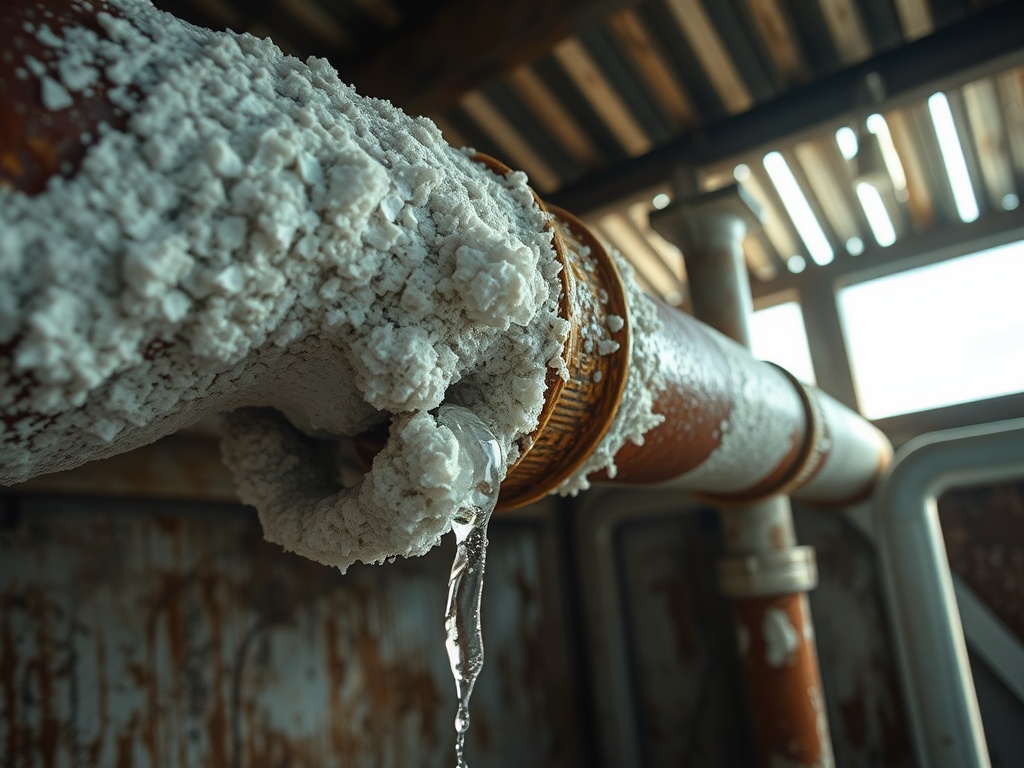
The White Crust That Quietly Broke Our Water System
The silent failure of a water system begins not with a dramatic burst pipe or flooding, but with the gradual, invisible accumulation of mineral deposits. Over time, well water—once a reliable source—transforms into an agent of destruction, creating calcified deposits that render entire systems useless. This technical failure represents more than just broken pipes; it symbolizes the vulnerability of communities dependent on aging infrastructure.
In island environments where freshwater resources are precious and engineering challenges are magnified by geography, water system maintenance becomes a matter of public health and economic stability. When these systems fail, the consequences ripple through daily life: disrupted routines, compromised hygiene, and economic strain on households forced to seek alternative water sources.
The response to such failures often reveals the priorities of governance. While communities struggle with the practical realities of water scarcity, the distribution of alternative resources becomes a litmus test for transparency and equity. The perception that certain suppliers benefit from systemic failures while communities bear the cost erodes public trust in institutions meant to serve them.
Infrastructure maintenance in geographically dispersed communities requires consistent investment, technical expertise, and long-term planning. When these elements are missing, temporary solutions become permanent problems, and basic services become political footballs. The challenge extends beyond fixing broken pipes to restoring confidence in the systems that sustain island life.
Environmental factors compound these challenges. The delicate balance between groundwater extraction and preservation becomes increasingly difficult to maintain as populations grow and climate patterns shift. What begins as a technical failure of one system reflects broader questions about sustainable resource management in vulnerable ecosystems.
Ultimately, the story of a failed water system is about more than calcium deposits and broken pumps—it's about the social contract between communities and those responsible for maintaining the essentials of modern life. When that contract breaks down, the damage extends far beyond the physical infrastructure to the very fabric of community trust.
— Source fragments: Well water destroyed the entire system and created calcified deposits in the system rendering it useless