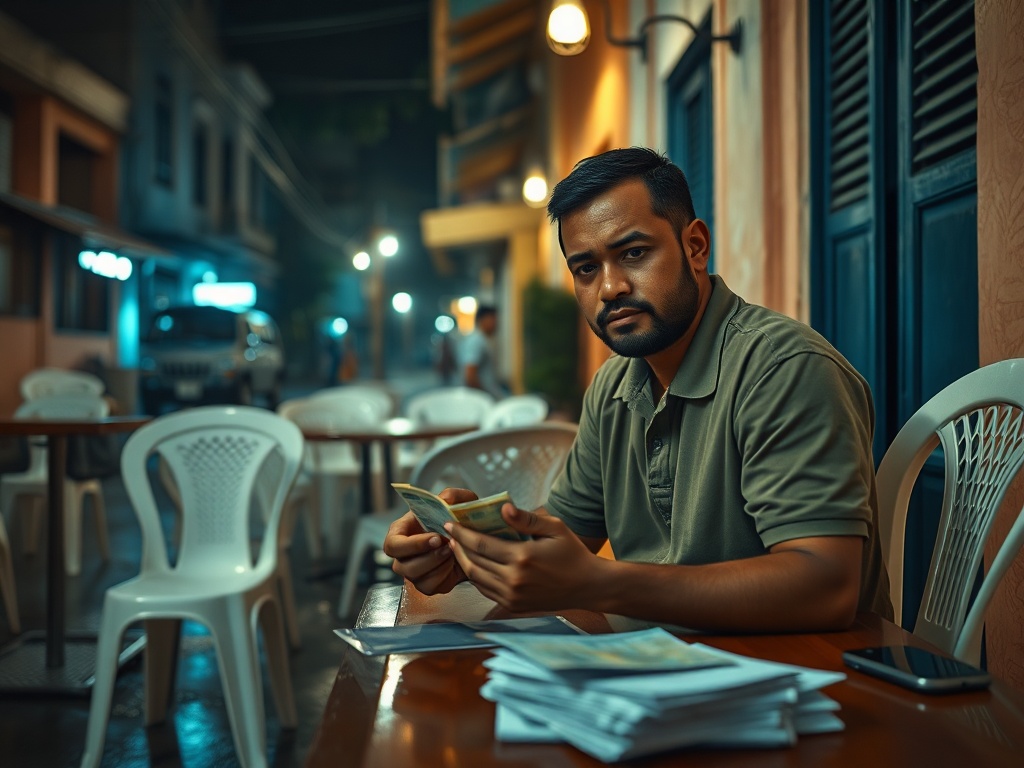
The Widening Gap Between Maldivian Paychecks and Basic Needs
Two years into the current administration, the economic reality for many Maldivians has become increasingly stark. The gap between paychecks feels wider than ever, with basic necessities now requiring careful financial planning that many find unsustainable.
In urban centers like Malé and across the islands, the economic squeeze manifests in tangible ways. Cafés and small businesses report sales dropping by as much as 70% mid-month as disposable income evaporates. The phenomenon reveals a deeper structural issue within the Maldivian economy—one where tourism revenue fails to translate into broad-based prosperity.
For the average worker, the situation has become increasingly precarious. What was once considered normal spending has transformed into financial calculation. Covering rent, groceries, and utilities now requires careful budgeting that leaves little room for unexpected expenses. The concept of passive income remains elusive for most citizens, creating a paycheck-to-paycheck existence that offers little financial security.
The youth face particular challenges, with many questioning their ability to afford living in the capital or their home islands long-term. This economic pressure comes amid broader concerns about employment opportunities and career prospects in a nation heavily dependent on tourism.
Some have turned to small-scale solutions—growing herbs and vegetables on balconies, finding ways to supplement income through side businesses, or carefully timing purchases to align with pay cycles. Yet these individual efforts barely mitigate the systemic challenges.
The situation raises fundamental questions about economic policy and wealth distribution. As the cost of living continues to outpace income growth, the conversation has shifted from aspirations of prosperity to concerns about basic survival. The coming months, particularly with Ramadan approaching, promise to test both household budgets and policy responses to these mounting economic pressures.
— Source fragments: Most Maldivians have zero passive income, cafés lose 70% of their sales mid-month, soon many won't even be able to afford living in Malé or the islands, covering basic necessities feels like it requires a telethon, struggle in the coming Ramadan