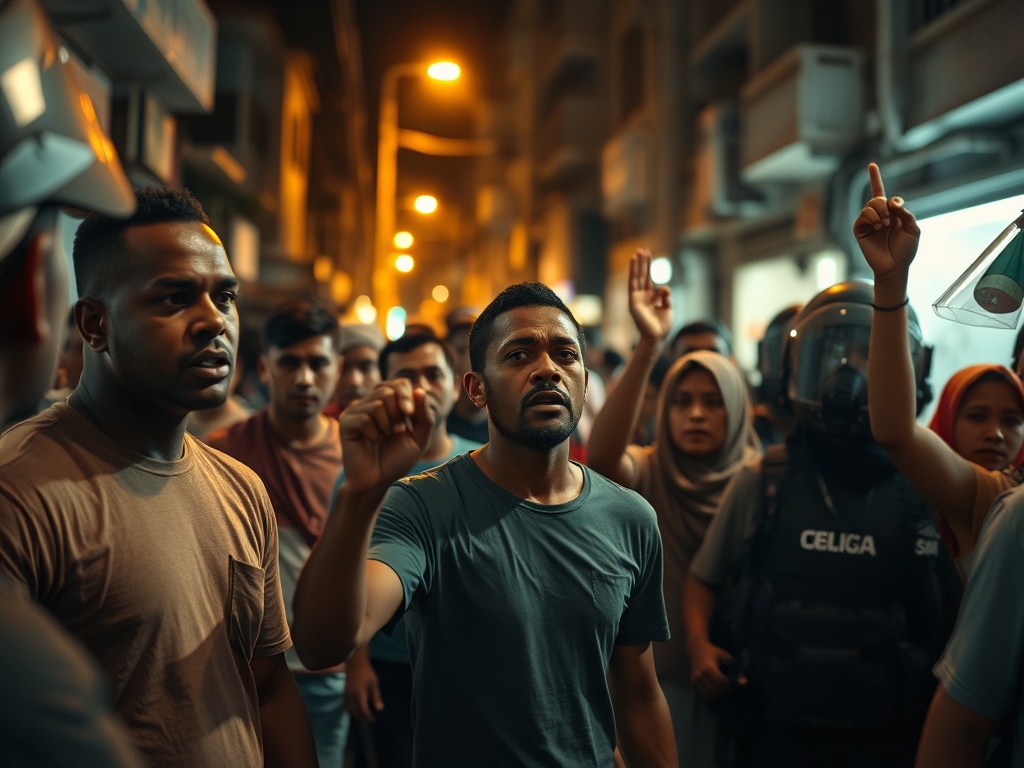
There is no such thing as protest route in the Maldivian constitution
The fundamental right to protest has become a flashpoint in Maldivian politics, with citizens asserting their constitutional freedoms against what they perceive as government overreach. The core argument echoes through public discourse: the Constitution grants Maldivians the right to assemble anywhere except specifically designated sensitive areas like schools and mosques. Yet authorities continue to impose restrictions that many see as politically motivated.
Recent overnight arrests of protesters alleging government corruption and curtailment of basic freedoms have intensified this constitutional debate. The situation reveals deeper tensions in our democracy, where opposition parties face what they describe as systematic obstruction. When MDP attempts to organize rallies, they're allegedly directed away from Majeedheemagu - a location known for showcasing massive turnout through compelling visual documentation.
This isn't merely about protest routes; it's about the very nature of our democratic space. Police officers find themselves caught between constitutional mandates and political instructions, creating a crisis of legitimacy. The public watches as institutions meant to protect citizens appear to serve political interests instead.
Meanwhile, the broader context of eroding freedoms, politicized judiciary, and consolidation of power gives these protest restrictions deeper significance. Young Maldivians, already facing unemployment and limited opportunities, see their democratic participation being systematically constrained. The lavish lifestyles of the elite stand in stark contrast to the economic struggles of ordinary citizens struggling with high living costs and housing crises.
As the nation navigates complex foreign relations and domestic challenges, the protest route controversy symbolizes the larger battle for Maldives' democratic soul. Whether citizens can freely assemble, express dissent, and hold power accountable remains the fundamental question testing our constitutional democracy.