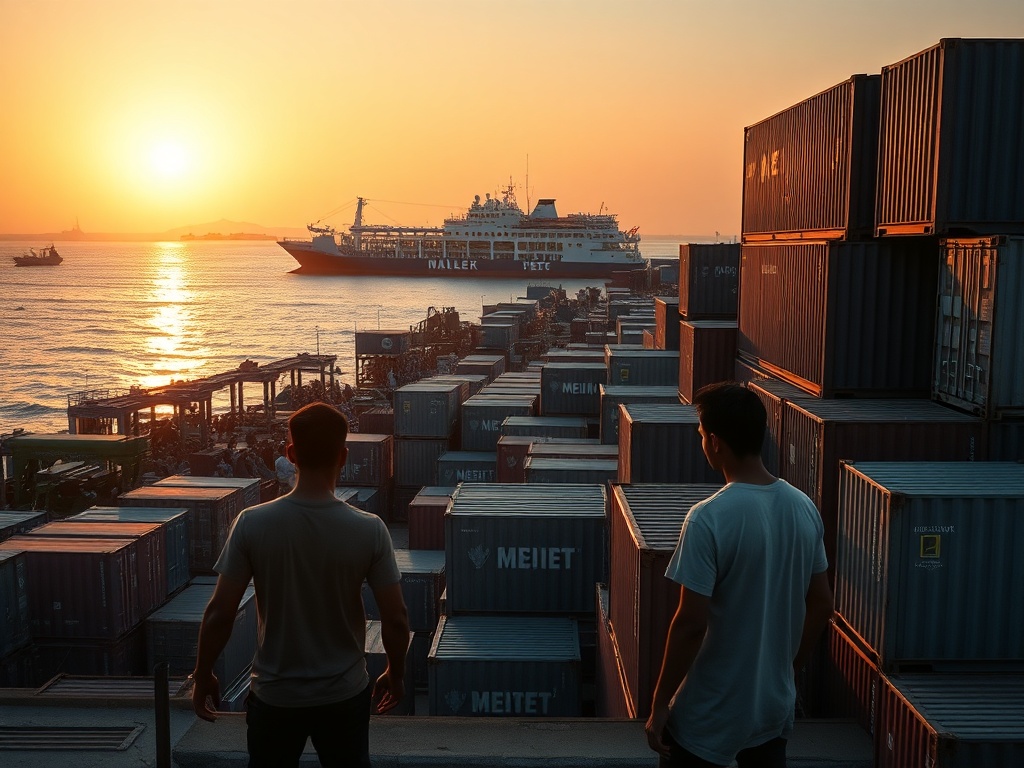
There's a pattern to be understood at a geopolitical energy level.
When we hear that there is a pattern to be understood at a geopolitical energy level, what does that really mean for the average Maldivian? It’s not just about big countries and their strategic games. It’s about how those games drain our economy, influence our leaders, and leave our people struggling with daily life.
Consider the high national debt. Successive governments have borrowed heavily, often pledging our future to foreign powers. This isn’t accidental. It’s a pattern where external financial leverage is used to secure political and military influence. The 'India Out' campaign wasn’t born in a vacuum; it was a public reaction to this perceived loss of sovereignty. But what happens when one external pressure is replaced by another? Are we just swapping masters?
Look at our reliance on tourism for foreign currency. Resorts bring in dollars, but how much actually stays in the Maldives? A significant portion is parked abroad by resort owners. This isn’t just a business decision; it’s a symptom of a system where local elites are enmeshed in global capital flows, often at the expense of national interest. The result? Chronic foreign currency shortages that drive up the cost of living for everyone else.
Then there’s the issue of expatriate labor. We bring in thousands of foreign workers, and while they fill certain jobs, their remittances send precious forex out of the country. This isn’t merely an immigration policy failure; it’s a structural flaw that weakens our economic resilience. At the same time, locals complain about being squeezed out of employment and business opportunities. Is this the inevitable outcome of being a small state in a competitive region?
Our housing crisis in Malé is another piece of the puzzle. Politicized allocation of subsidized flats means that many end up in the hands of those who don’t even live here, who then sublease them for profit. This isn’t just corruption; it’s a system where basic needs are weaponized for political gain, deepening social divides and fueling public anger.
And what of our youth? Faced with drug use and unemployment, they see a future that offers little promise. This isn’t just a social problem; it’s a direct consequence of an economy that fails to create meaningful opportunities because it is oriented toward serving external and elite interests. When the best and brightest have no pathway, the entire nation suffers a slow decline.
The pattern, then, is clear: geopolitical energy—the struggle for influence among larger powers—exacerbates our internal weaknesses. It encourages corruption, deepens debt, and distorts governance. The question we must ask ourselves is not just who to blame, but how we break this cycle. Can we build institutions strong enough to resist external manipulation? Can we create an economy that truly benefits Maldivians first? The answers will determine whether we remain pawns in a larger game or finally take control of our own destiny.