They handled the pandemic well, but made many mistakes.
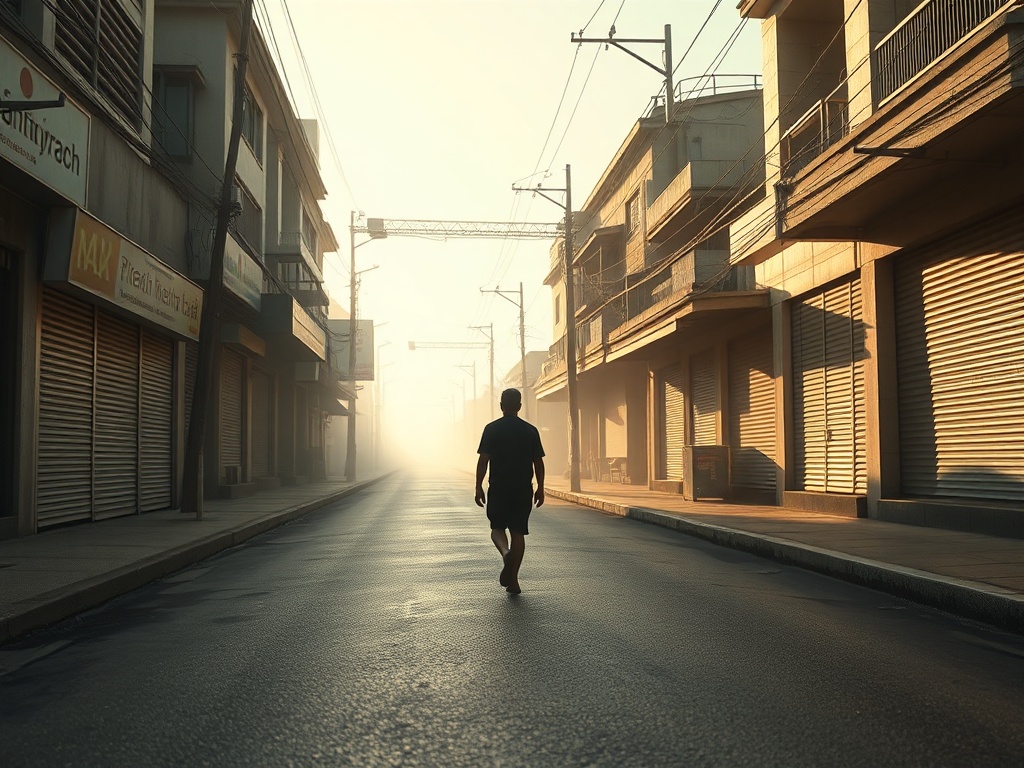
Sometimes, in the quiet of the evening, I think about the lockdowns. The fear that hung over Malé like the heavy pre-monsoon air. The empty streets, the sound of the harbor so still you could hear the water lap against the seawall. In those days, there was a direction. A collective holding of breath. We were scared, but we were together in that fear, and the government, for all its other faults, steered the boat through that storm. It’s a strange thing to hold in your mind—gratitude for a specific action, tangled up with so much disappointment for everything else.
And then the memory shifts. The political noise returns, loud and sharp. Words thrown around that cut deeper than they should. ‘Assassinated.’ The word itself is a shock to the system, a violent tremor in our small community. To hear it used so casually, to even have the thought enter our national conversation… it makes the air feel thin. What desperation leads us there? What kind of division makes such a thing feel possible, even as a fleeting, horrible thought? It’s a different kind of sickness, one no lockdown can cure.
We remember the good and the bad, the competent and the corrupt, all at once. We praise the hands that fed us during the pandemic, and we condemn the same hands for the deals made in shadow. We live with these contradictions. Our history isn’t a single story of heroes or villains; it’s a messy, human tapestry of both. And in the middle of it all, we are left wondering what we’ve become, and what price we are willing to pay for our politics. The real fear isn’t the virus anymore. It’s what we might do to each other once the common enemy is gone.