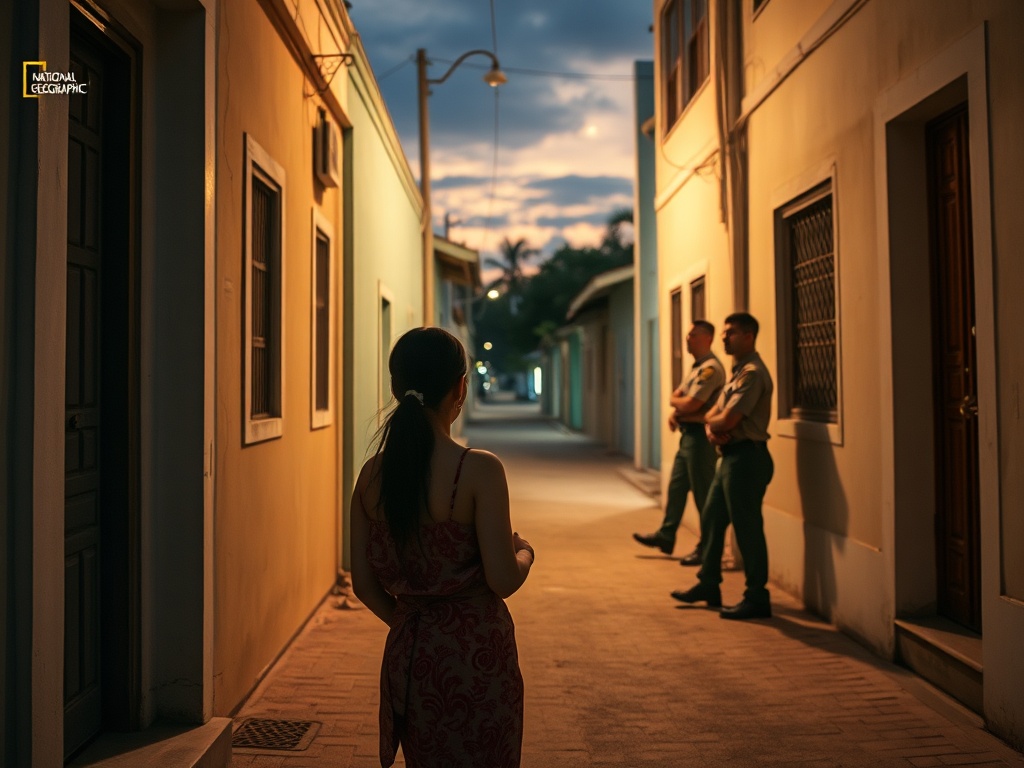
They took her phone without a court order
They just took it. Right there near her home. No court order, no proper explanation. Just hands reaching out, taking what wasn't theirs to take. 'Come to the station to find out why,' they said. As if we're supposed to follow blindly when they can't even follow their own rules.
This is how it happens now. Not with loud announcements or official statements, but with these small, personal violations that leave you feeling exposed. Your phone isn't just a device here—it's your connection to family scattered across islands, your livelihood, your proof that you exist in this world. When they take it without reason, they're telling you your existence doesn't require reason either.
I think about the parliament commission mention, about how someone might not come back straightforward. We understand that hesitation now. When the systems meant to protect become the threat, where do you turn? The same officers who should be keeping peace are the ones creating this unease that settles in your stomach like bad fish.
They operate in these gray spaces—no paperwork, just force. No procedures, just demands. We watch it happen to neighbors, to friends, and we wonder when our turn will come. The fear isn't in dramatic confrontations but in these quiet moments when ordinary life is interrupted by extraordinary power.
Maybe what hurts most is how normal it's becoming. The shock wears off, replaced by a tired acceptance that this is how things are now. But in our messages to each other, in these shared stories, we keep the truth alive. They can take phones, but they can't take the witness we become for each other.
We document these moments not because we're brave, but because silence would mean they've won. Every message sent, every story shared is a small act of defiance against the erosion of our dignity. The sea has always taught us that what appears calm on surface can hide strong currents beneath—we're learning to navigate these new currents too.