Thousands Awake in Vaanuvaa While Malé Sleeps
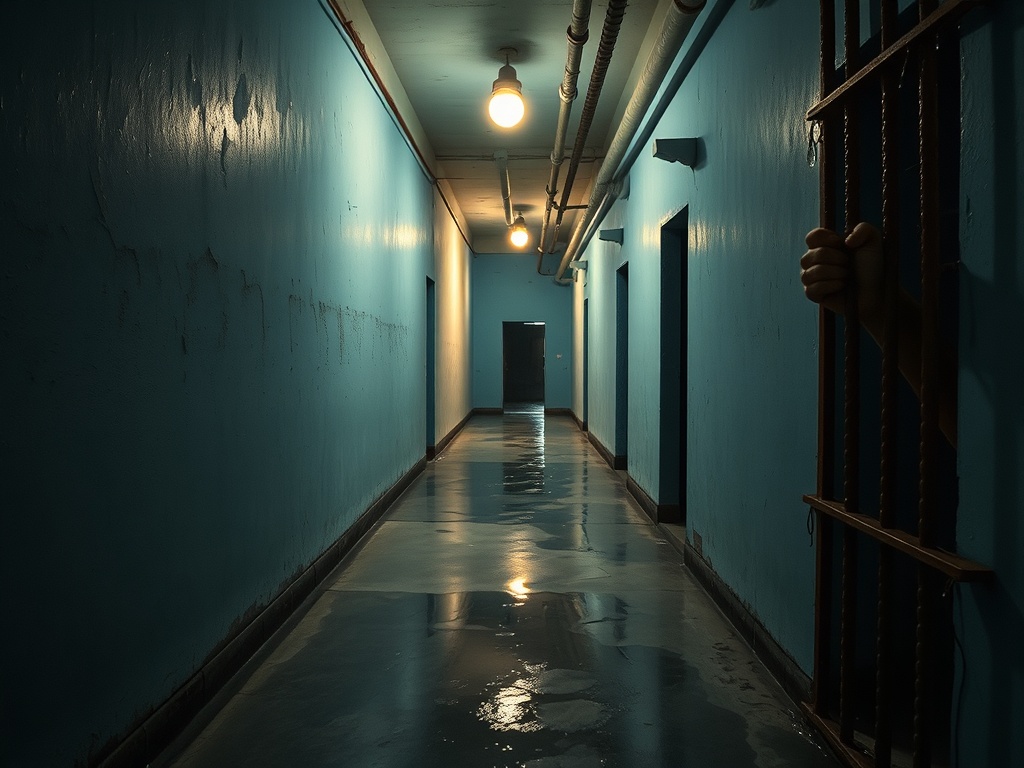
In the quiet hours between sunset and sunrise, while Malé's streets empty and the islands sleep, thousands remain awake in overcrowded cells. They are the residents of Vaanuvaa—not convicted criminals, but individuals held in indefinite remand, their lives suspended in legal limbo. This reality has sparked a movement that cuts across political lines, uniting voices around a simple demand: justice should not mean endless waiting.
The cases highlighted in recent public discourse reveal a troubling pattern. A young girl faces prosecution for a minor infraction with no violence, injury, or property damage. A father of four receives a 27-year sentence for what critics call questionable charges. Meanwhile, high-profile figures involved in significant scandals walk free after returning stolen funds, creating a perception of two-tiered justice where influence matters more than integrity.
These stories point to deeper systemic issues. The practice of indefinite detention without trial violates fundamental principles of justice that should underpin any modern legal system. Prisoners describe conditions that defy human dignity—leaking cells, inadequate yard time, and deprivation of basic rights. When someone spends six months in remand for minor allegations, the punishment begins long before any verdict is rendered.
The political dimensions cannot be ignored. Critics argue that lawfare—using legal systems for political punishment—has become commonplace. Rushed verdicts in high-profile cases contrast sharply with endless delays for ordinary citizens. The same system that quickly convicts some allows alleged masterminds of significant events to live freely among communities.
Yet the conversation is evolving beyond simple condemnation. Thoughtful observers note that ending Vaanuvaa requires balancing compassion with accountability. Released offenders who commit repeated crimes remind us that justice must protect society while respecting rights. The solution lies not in abandoning accountability but in building a system where trials are fair, transparent, and timely.
This movement represents more than legal reform—it touches fundamental questions about who we are as a society. When abuse hasn't touched someone personally, it's easy to remain unmoved. But injustice anywhere threatens justice everywhere. The call to end Vaanuvaa is ultimately about restoring faith in our institutions and recognizing that every person, regardless of accusation, deserves dignity and due process.
As this conversation grows, it challenges us to examine not just our legal system but our collective conscience. True justice requires more than punishing the guilty—it demands protecting the innocent from unnecessary suffering and ensuring that the system itself remains just.
— Source fragments: Prosecuting young girl for minor infraction; indefinite detention without trial; overcrowded cells with water leaks; high-profile figures walking free while ordinary citizens face harsh punishment; calls for fair trials and dignity; political dimensions of justice system