Too many close calls, the roads MUST be made safe for our kids
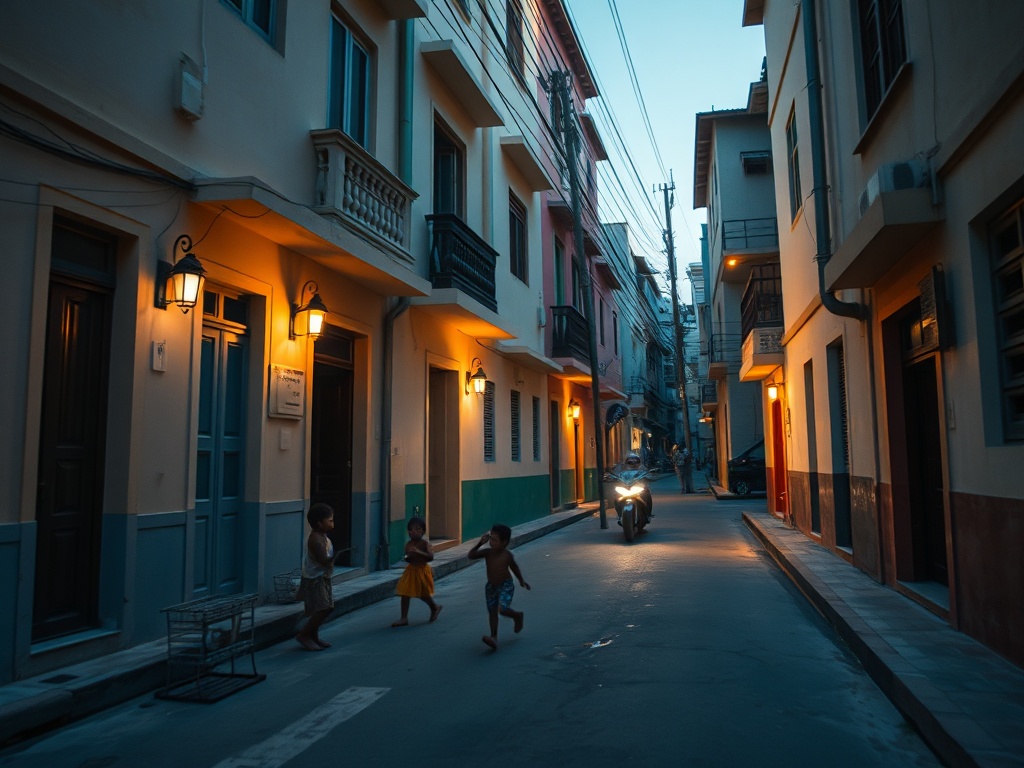
Another day, another close call. A child darts across a narrow Malé street chasing a cat, a mother distracted by her phone, a motorbike screeching to a halt just inches away. This isn't just one isolated incident—it's becoming our daily reality. How many near-misses must we witness before we acknowledge that our streets have become danger zones for our children?
The problem isn't just individual carelessness. It's systemic. Our urban planning prioritizes vehicle movement over pedestrian safety, particularly in densely populated islands where children play mere feet from speeding traffic. The psychological toll on drivers who've experienced these heart-stopping moments—the guilt, the fear, the what-ifs—remains largely unspoken, yet it affects countless Maldivians navigating our congested roads daily.
What happens when we design streets that assume perfect behavior from both drivers and children? We create environments where a single moment of inattention—a parent looking at their phone, a child chasing a toy—could lead to tragedy. The solution isn't simply blaming parents or drivers, but rethinking our entire approach to public space.
Consider the economic dimension: every traffic incident, whether it results in injury or not, carries hidden costs. Medical expenses, lost productivity, trauma counseling—these accumulate silently while we debate whose responsibility it truly is. Meanwhile, our children continue to navigate streets that weren't designed with their safety in mind.
Could the answer lie in simple, low-cost interventions? Wider sidewalks, designated play areas separated from traffic, speed bumps near schools and residential zones? Or do we need more radical rethinking of how we allocate space in our limited land area?
The emotional weight of this issue resonates across our islands. Every parent who's felt that jolt of fear when their child ventures too close to the road, every driver who's had to swerve unexpectedly—these experiences bind us in shared concern. Yet our response remains fragmented, reactive rather than preventive.
Where does responsibility truly lie? With parents for supervision? With drivers for heightened awareness? Or with authorities for creating safer infrastructure? Perhaps the truth is that all share this burden, but only collective action will bring meaningful change.
As our islands develop and populations concentrate, the pressure on our road networks will only increase. Without decisive action now, we risk normalizing these dangerous conditions and accepting preventable risks as simply part of island life. Our children deserve better—they deserve streets where they can be children without constant danger.