Toxic Smog Engulfs Maldives as Air Quality Hits Dangerous Levels During Peak Tourist Season
A thick layer of toxic smog has enveloped the Maldives, with air pollution in the Malé region reaching levels dangerous to health. The air quality index in Malé has risen to an AQI of 166, with PM2.5 levels at 76.5 μg/m³.
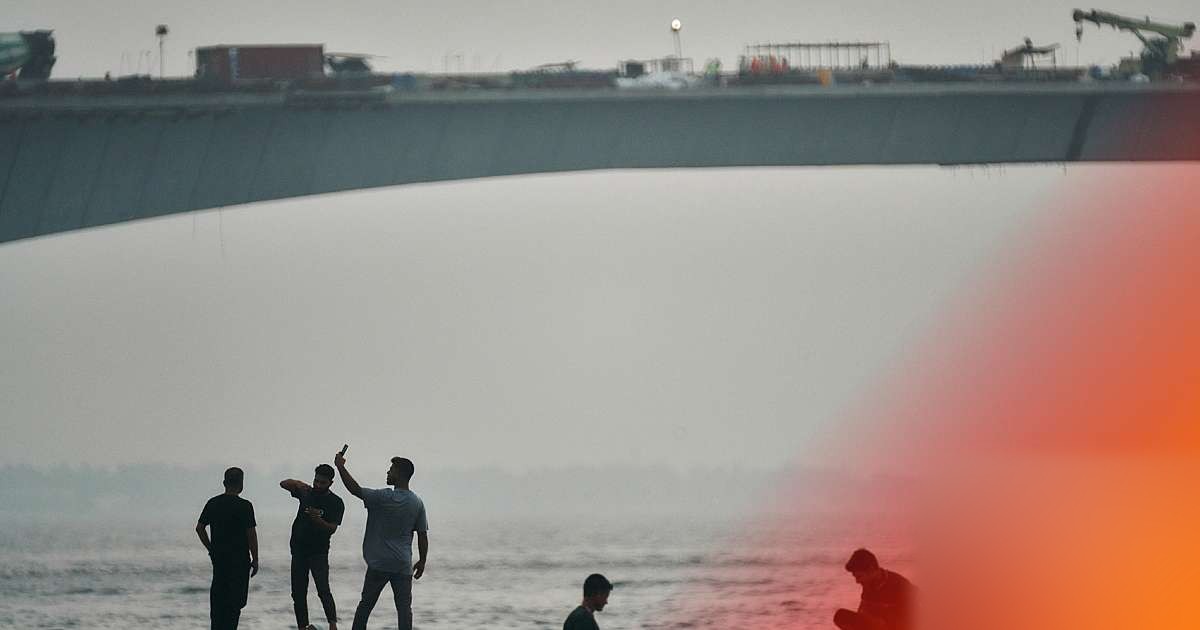
Smoke pollution has spread across various regions of the Maldives, especially the Malé region, causing visibility to fall to extremely low levels. The horizon of Vilimalé has disappeared into the smoke from the bridge, causing major difficulties for public life and sea travel.
The unfiltered air is causing health problems such as breathing difficulties and irritation of the eyes and throat for many people, and some have begun wearing masks when going out. Those with respiratory diseases are especially vulnerable.
The smog has also reached Hulhumalé and enveloped the Tilamalé Bridge, with the horizon of Malé no longer clearly visible.
The pollution coincides with the peak of the Maldivian tourism season, when tourists from around the world visit to experience the country's natural beauty. Instead of clear blue skies and clean seas, resorts and safaris are now covered in smoke, which is expected to disappoint visitors and deal a setback to tourism, the main pillar of the Maldives' economy.
The smoke is the result of transboundary air pollution, with toxic fumes and factory smoke discharged from large neighboring countries of South Asia, such as India and Bangladesh, reaching the Maldives in the northeast monsoon winds.
The article notes that the Maldives, which has no hand in polluting the air, is bearing the consequences of the industrial negligence of big neighboring countries, describing this as a great injustice by the standards of environmental justice and something the Maldives must advocate for in the international world to seek justice. It adds that the air will only become clean again when big countries fully shoulder their responsibility, noting this is not just a health issue but one tied to the Maldives' livelihood and economy.