Traditional Remedies and the Hope in Government's Next Move
The conversation about government policies often feels like watching the tide—constant movement, sometimes advancing, sometimes retreating. When someone argues that 'everything government do is not wrong,' there's a quiet truth there, spoken from the weary optimism of people who've seen both progress and disappointment. The discussion about counting overtime for work after regular hours reflects the daily realities of Maldivians trying to make ends meet in an economy where the cost of living rises faster than wages.
Meanwhile, the talk of diversifying beyond tourism touches something deeper—the collective understanding that our beautiful islands cannot survive on beauty alone. The sea that surrounds us gives life, but it also reminds us of our limitations. When someone notes that tourism businesses are in the private sector, they're acknowledging the delicate balance between public need and private enterprise that defines our economic landscape.
Land rights emerge as another thread in this tapestry of concerns. 'Everyone should have fair and equal land rights' carries the weight of generations who've watched political favors determine who gets to call which patch of land home. In a nation of scattered islands, land isn't just property—it's identity, security, legacy.
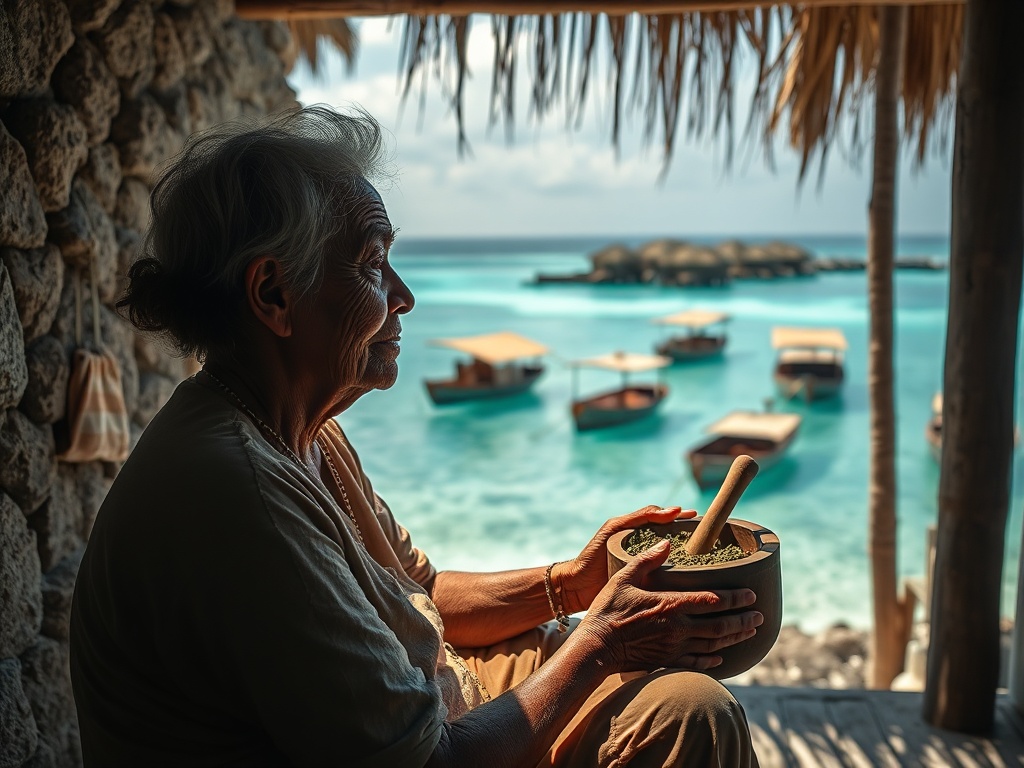
Yet amidst these policy debates, there are moments of pure, uncomplicated truth. The grandmother who fixed both school anxiety and scalp eczema with Dhivehi Beys represents the wisdom that persists outside government halls. Her remedies speak to a different kind of governance—the kind that happens in homes, passed between generations, grounded in the specific textures of Maldivian life.
The smoking ban for future generations shows ambition, a desire to protect what's yet to come. It's this forward-looking impulse that gives these conversations their urgency. We're not just debating policies; we're negotiating our relationship with time itself—honoring the past, navigating the present, and protecting the future.
What connects these fragments is the persistent hope that through all the complexity, through the bias and criticism and imperfect solutions, we're moving toward something better. The sea teaches patience, and perhaps that's what we need most—to recognize that change, like the ocean currents, follows its own rhythm, and our job is to keep swimming.
— Source fragments: overtime policies, government criticism/defense, economic diversification beyond tourism, land rights equality, traditional Dhivehi Beys healing, generational smoking ban