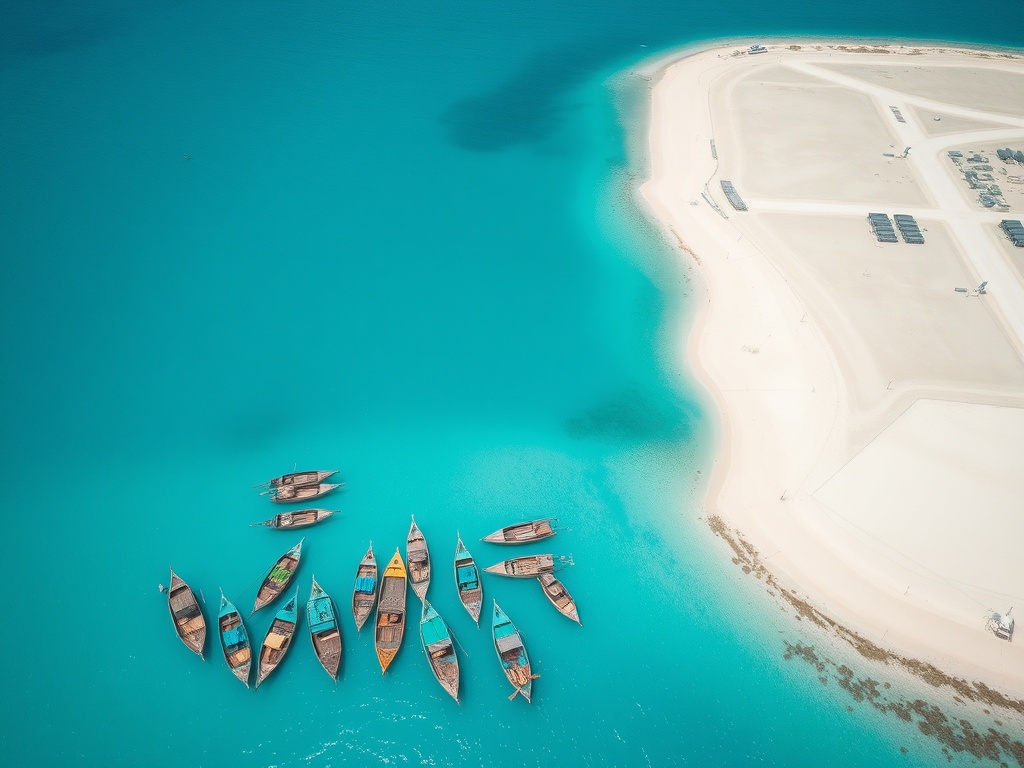
Two Dhoni Lengths From Land We Cannot Build On
The debate over land distribution in the Maldives has become a mirror reflecting our national contradictions. We argue passionately about who deserves what, while rarely questioning the fundamental assumptions that shape these discussions.
The core tension lies between two competing visions: one sees land as a basic right of citizenship, the other as a commodity to be traded. Proponents of free land distribution argue that every Dhivehin should have access to land for primary residence, particularly in their ancestral islands. This perspective views land not as property but as heritage—a connection to identity that transcends market value.
Yet this principle collides with practical realities. When the government distributes land in Malé—reclaimed through collective national expenditure—it faces the impossible task of balancing fairness with tradition. Should Malé natives have priority in their ancestral home, or should all citizens who contributed to reclamation have equal claim? The question exposes how geography and genealogy intertwine in our understanding of belonging.
The most revealing contradiction emerges in our collective behavior. We demand free land from the government with socialist fervor, then immediately transform into capitalists when regulations threaten our ability to profit from that same land. This paradox defines our current housing crisis: properties meant for residence become investments, subsidized housing becomes sublet income, and the original intent of land distribution gets lost in the scramble for advantage.
Market realities further complicate the picture. A 2000 square foot land in Hithadhoo might fetch 300,000 Rufiyaa, while a 200 square foot plot in Malé commands millions. This disparity isn't just about economics—it's about perceived value, opportunity, and the concentration of national resources in the capital.
Some propose solutions that bridge these divides: allowing citizens to obtain land anywhere in the country for primary residence, with the freedom to sell or move as circumstances change. Others suggest limiting benefits to those who actually live on the distributed land, preventing the system from being gamed for profit.
The deeper issue transcends policy mechanics. It's about what we believe land represents in a nation of scattered islands. Is it merely shelter? Is it investment? Or is it something more fundamental—the physical manifestation of our connection to this archipelago we call home?
Until we confront these foundational questions, our land debates will remain circular arguments about distribution mechanisms rather than meaningful discussions about what kind of society we want to build. The land itself is neutral; it's what we project onto it that creates both conflict and opportunity.
— Source fragments: Land as right vs commodity; free distribution debates; Male' vs other island rights; socialist-capitalist paradox in land attitudes; market value disparities between islands; primary residence requirements; historical precedents in land distribution