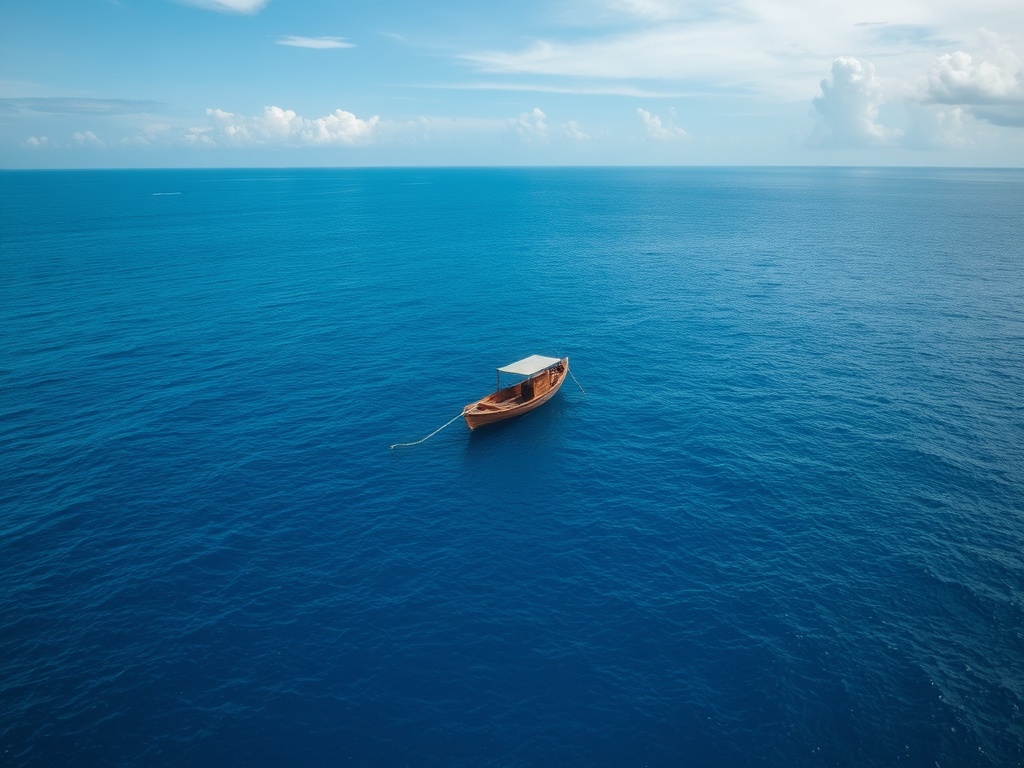
Two Hundred Miles of Ocean Between Us and Them
The ocean has always been our first defense and our deepest vulnerability. For generations, we measured our world in miles from shore—the 200 miles that defined our exclusive economic zone, the 12 miles that others might recognize. These numbers, dry on paper, carried the weight of our existence. They were the lines drawn in water that separated sovereignty from submission.
Lately, the horizon feels different. News from distant conflicts—Gaza, Sudan, Venezuela, Nigeria—drifts across the sea like storm warnings. Each headline carries the same unsettling question: when will the giants turn their gaze here? We watch as nations debate ceasefires like they're negotiating menu items, and we remember when the UN spoke of decolonization while Britain spoke of defense strategy. No one spoke to the Maldives at all.
There's a particular anxiety that comes with being small in a world of large ambitions. It's the same feeling you get when standing on a reef during changing tides—the water that was your friend can suddenly become your adversary. Some voices argue for posturing, for drones and missiles as demonstrations of discontent. Others speak of the Singapore-Malaysia dynamic, that delicate dance of paranoia between neighbors of unequal size.
But here, between the Indian Ocean and the geopolitical currents, we understand something fundamental about sovereignty. It isn't just about military presence or diplomatic recognition. It's about the quiet dignity of managing your own affairs, of children playing on beaches without fearing whose flag might fly tomorrow. It's about the simple right to determine which ships may enter your waters and which must remain beyond the horizon.
The sea has taught us patience and resilience. We know that storms eventually pass, that even the highest waves recede. But we also know that some changes in the current are permanent. As we watch larger nations threaten smaller ones, we feel the water shifting beneath our feet. The question isn't whether we should fight our neighbors, but how we maintain our identity in waters increasingly crowded with other people's ambitions.
Perhaps our greatest defense isn't in missiles or posturing, but in remembering what makes these islands worth defending—the particular way light falls through palm fronds, the specific taste of morning tuna, the unique rhythm of life that exists nowhere else on Earth. These are the things that define our sovereignty more than any border marker ever could.
— Source fragments: cannot. they don't recognize our 200 miles. they only recognize 12 mile from shore; The UN called it decolonization. Britain called it defense strategy. Maldives was never called at all; Singapore to Malaysia to is what we are to India. They are paranoid about security because they are small; I hope we never saw the day we were invaded and have to live under India or any other country