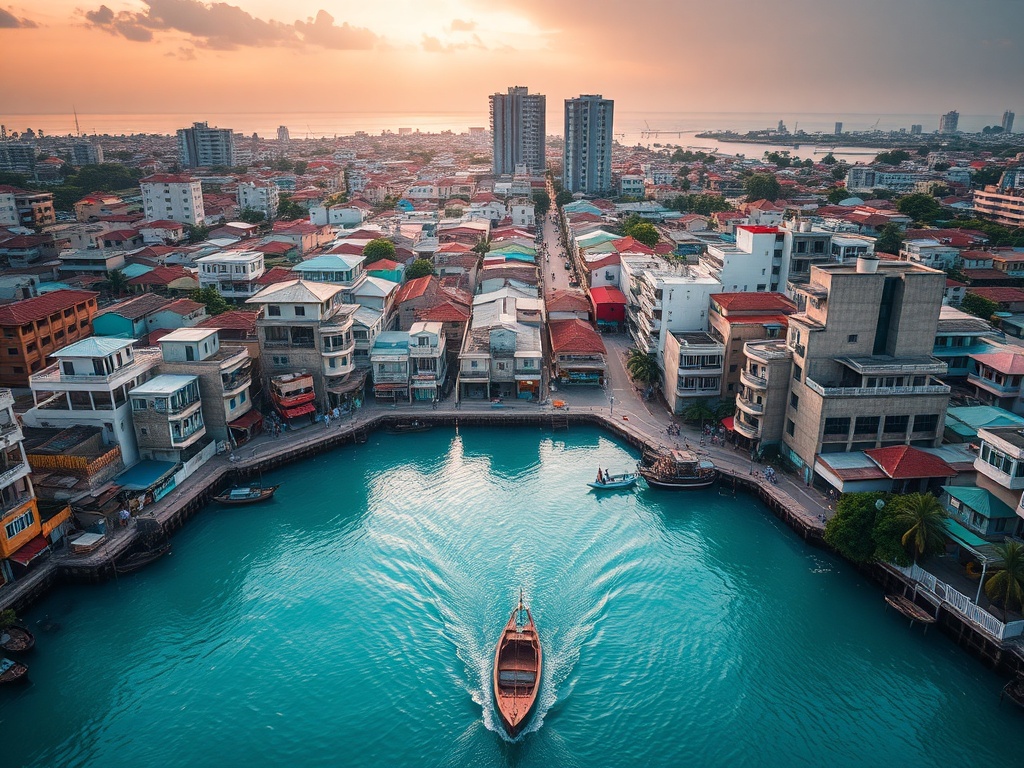
Unseen Walls: The Silent Divisions Shaping Our Maldivian Lives
In the quiet hours between night and dawn, when Malé's streets breathe just a little easier, the city reveals its hidden architecture—not of coral stone and concrete, but of invisible walls that separate neighbor from neighbor, local from expatriate, those with opportunity from those without.
These walls appear in the most ordinary places: in hospital corridors where Maldivian nurses watch expatriate colleagues receive accommodations and allowances they themselves are denied, despite working the same shifts, bearing the same burdens. They appear in housing policies that promise fairness yet deliver division, where the simple need for shelter becomes a political bargaining chip. They appear in the frustrated voices questioning why some get land while others get promises, why some can sublease subsidized flats from abroad while others struggle to pay rent in the city they call home.
Meanwhile, the sea around us remains constant—the same turquoise waters that have cradled our islands for generations. But on land, we've built new boundaries. The 'Male' meeha' demanding compensation for their identity, the shopkeeper wondering why he should refuse cigarettes when harder substances flow freely in broad daylight, the nurse counting hours while others count privileges.
We speak of fairness as if it's a mathematical equation, but fairness has a human heart. It beats in the rhythm of shared struggle, in the recognition that policies written in offices should feel just on the streets. When housing becomes political currency and workplace equality becomes negotiable, we fracture the very social fabric that has held us together through storms both literal and metaphorical.
The real hedgehogs aren't tanks in distant wars—they're the defensive postures we adopt when trust erodes. They're the steel mesh of bureaucracy we wrap around basic needs, making them harder to reach, requiring more effort to break through. And like any barrier, they don't just keep things out—they trap things inside: frustration, resentment, the slow corrosion of community.
Perhaps what we need isn't more elaborate defenses, but the courage to dismantle them—to recognize that in an archipelago, no one should feel like an island.
— Source fragments: Discriminative housing policy was one of the main reasons Ibu lost the last election; A Maldivian RN working in IGMH has an OT cap but the expat nurse doing the same work has no OT cap; policies has to be fair; Male' is full; What people are demanding is money; generation ban is a useless woke policy