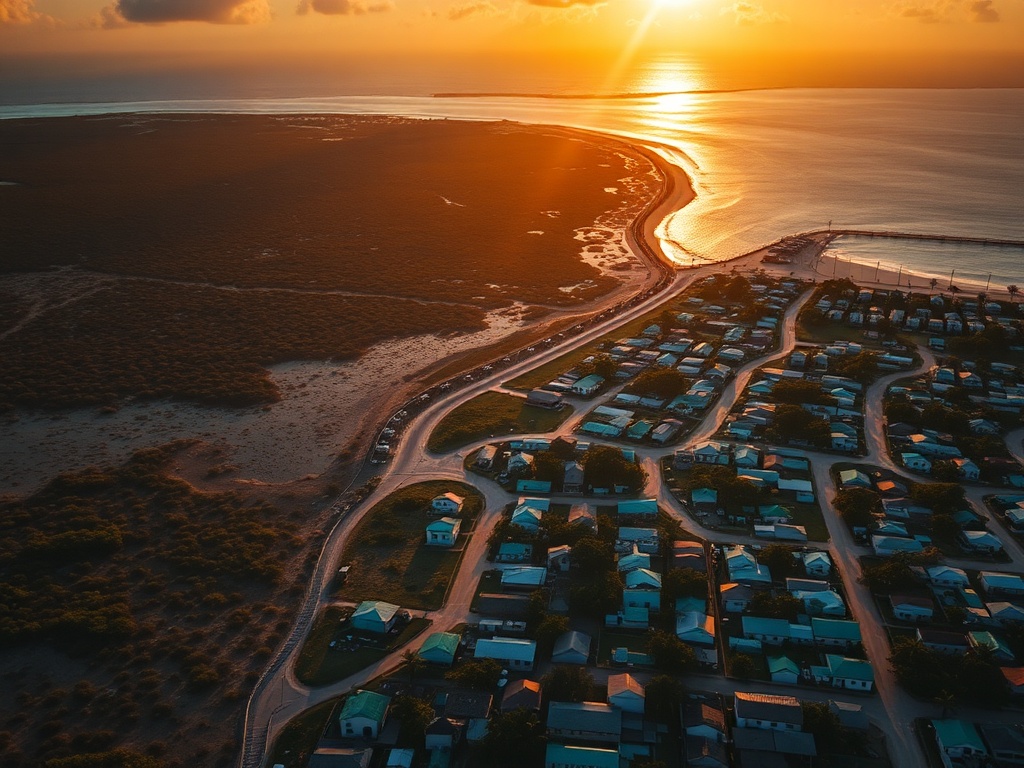
Utheem's Empty Plot, Malé's Crowded Rooms
In the quiet northern atoll of Utheem, a seemingly ordinary plot of land has become anything but. For years, this parcel has been allocated to specific recipients, yet nothing has been built, nothing developed. The local community watches with growing frustration as prime real estate lies dormant while families across the islands struggle to find secure housing.
The situation in Utheem reflects a deeper, more systemic issue plaguing Maldivian land policy. When development stalls indefinitely on allocated land, it raises uncomfortable questions about the criteria for distribution and the accountability of recipients. The pattern suggests that land—one of the nation's most precious and limited resources—is sometimes treated as a political commodity rather than a public trust.
This concern extends beyond Utheem to the capital, where housing policies appear increasingly disconnected from lived realities. Critics point to what they see as fundamental imbalances in eligibility criteria. How can we justify granting land to Malé residents who have spent most of their lives abroad while denying the same opportunity to Maldivians who have remained in the capital their entire lives? This isn't merely a bureaucratic question—it strikes at the heart of what constitutes fair treatment and who we prioritize as a society.
The debate reveals competing visions of land's purpose. Is it primarily an economic asset, a political reward, or a fundamental right? The current system seems to blur these distinctions, creating resentment among communities that feel overlooked. When land distribution appears arbitrary or politically motivated, it undermines public trust in the institutions responsible for managing this scarce resource.
As development pressures increase and available land diminishes, these allocation decisions will only grow more consequential. The Utheem case serves as a warning: when land policies lack transparency and clear rationale, they sow division rather than build community. The question isn't just who gets land today, but what kind of nation we're building for tomorrow—one where access to land reflects merit and need, or one where it follows political winds and personal connections.
The solution requires moving beyond individual cases to establish principles that can guide future allocations. Fairness, transparency, and alignment with national development goals must become non-negotiable standards. Otherwise, we risk creating a patchwork of grievances that will haunt our communities for generations.
— Source fragments: Utheem land allocation controversy, housing eligibility disparities between Malé residents who lived abroad versus those who stayed, concerns about political favoritism in land policy