Velana International Airport Cargo Volume Climbs as Regional Logistics Hub Expands
Velana International Airport (VIA) handled 18,457 tonnes of cargo during the second quarter of 2026, signaling a steady increase in the Maldives' capacity to manage international freight. According to data released by Maldives Airports Company Limited (MACL), this figure represents a 2 percent rise over the first quarter, driven by consistent demand for both inbound and outbound shipments.
Inbound cargo continues to dominate the airport's operations, with 13,542 tonnes of imported goods entering the country, compared to 4,915 tonnes of outbound exports. The most significant growth was observed in transshipment activity, which surged by 26 percent to 3,650 tonnes. This growth was primarily fueled by air-to-air transfers, which accounted for 3,116 tonnes, while sea-to-air links contributed another 534 tonnes.
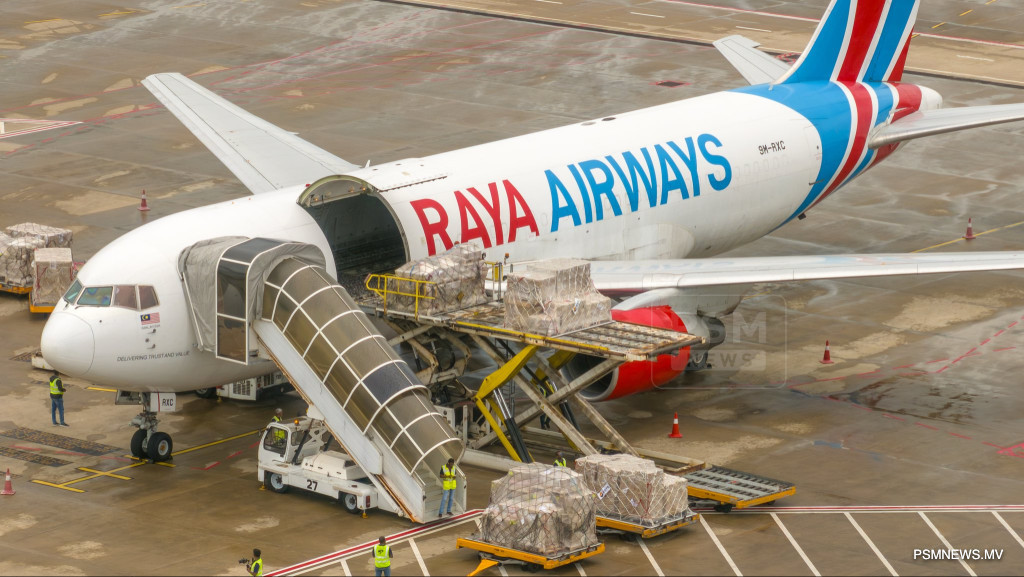
Logistical activity was further bolstered by a 12 percent increase in freighter movements, with 94 dedicated cargo flights operating during the quarter. These figures align with the Maldivian government's strategic objective to transform the nation into a regional logistics hub by enhancing the airport's cargo capabilities.
The current infrastructure is centered around the new cargo terminal inaugurated in January 2025, which possesses an annual handling capacity of 120,000 tonnes. However, the government intends to scale this capacity to 300,000 tonnes to better support national trade ambitions and increase the volume of goods passing through the archipelago.
To further integrate transport networks, MACL and Maldives Ports Limited (MPL) have introduced joint sea-to-air cargo services. This collaborative initiative now involves 11 airlines and facilitates the import, consolidation, and re-export of goods from three different countries. By streamlining the transition between maritime and aerial freight, the Maldives is strengthening its competitive edge in the regional supply chain.