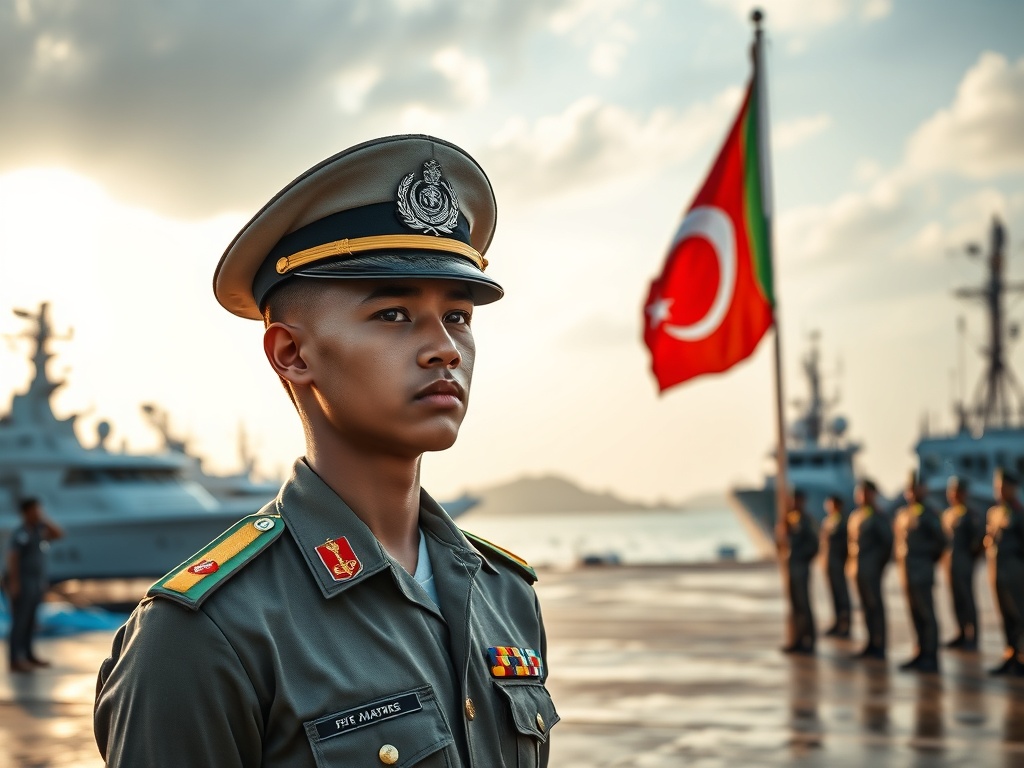
Victory Day Ceremonies and the New Debate Over Military Spending
As the Maldives marks Victory Day, honoring those who defended the nation during the 1988 coup attempt, the conversation has evolved beyond remembrance to hard questions about present-day security. Across social media platforms and political discourse, a contentious debate unfolds about the price of sovereignty and what it takes to be taken seriously in the international arena.
Proponents of increased defense spending argue that independence isn't merely symbolic—it requires tangible investment. "Wealth is generated over time," one perspective emphasizes, "and we can and should spend on serious military hardware every year." This view sees military capability as both practical deterrent and status marker—a way to ensure other nations treat the Maldives as "a serious country."
The current administration has positioned itself as correcting what Defense Minister Mohamed Ghassan Maumoon describes as "15 years of neglect" in the defense sector. This framing resonates with those who believe security underpins economic development. "Who's going to want to invest in a country that can't defend itself?" asks one commentator, drawing a direct line between military capability and foreign investment.
Historical references to the 1988 coup defense provide emotional weight to these arguments. While some highlight the bravery of individuals like retired Brigadier General Ibrahim Didi, who reportedly ran through gunfire to open the armory, others use the memory to underscore contemporary needs. The comparison between then and now—between makeshift defenses and modern military hardware—fuels calls for drones, missiles, and enhanced air capabilities.
Yet beneath the surface of this debate lies deeper geopolitical anxieties. References to "balancing out Indian military presence" and invitations to "other military powers such as China or Turkey" reveal how domestic security discussions intersect with regional power dynamics. The persistent claims about secret foreign bases, whether substantiated or not, reflect genuine concerns about sovereignty in the strategic waters of the Indian Ocean.
Critics question the opportunity costs—whether funds allocated to military expansion might better address pressing domestic issues like healthcare shortages, youth unemployment, or the housing crisis. But proponents counter that security isn't a luxury to be purchased only when threats are imminent. "Defense is important even if you're not going to war," one argument asserts, comparing it to the fundamental value of privacy.
What emerges is a nation grappling with the practical meaning of independence in the 21st century—where sovereignty requires not just historical pride but contemporary capability, where security investments must be weighed against social needs, and where geopolitical positioning carries both risks and rewards. As the Maldives navigates these complex waters, the conversation continues to evolve, reflecting both the lessons of history and the uncertainties of the future.
— Source fragments: wealth is generated over time; defense spending arguments; Victory Day commemorations; historical references to 1988 coup; geopolitical concerns about foreign military presence; debates about military investment versus other national priorities