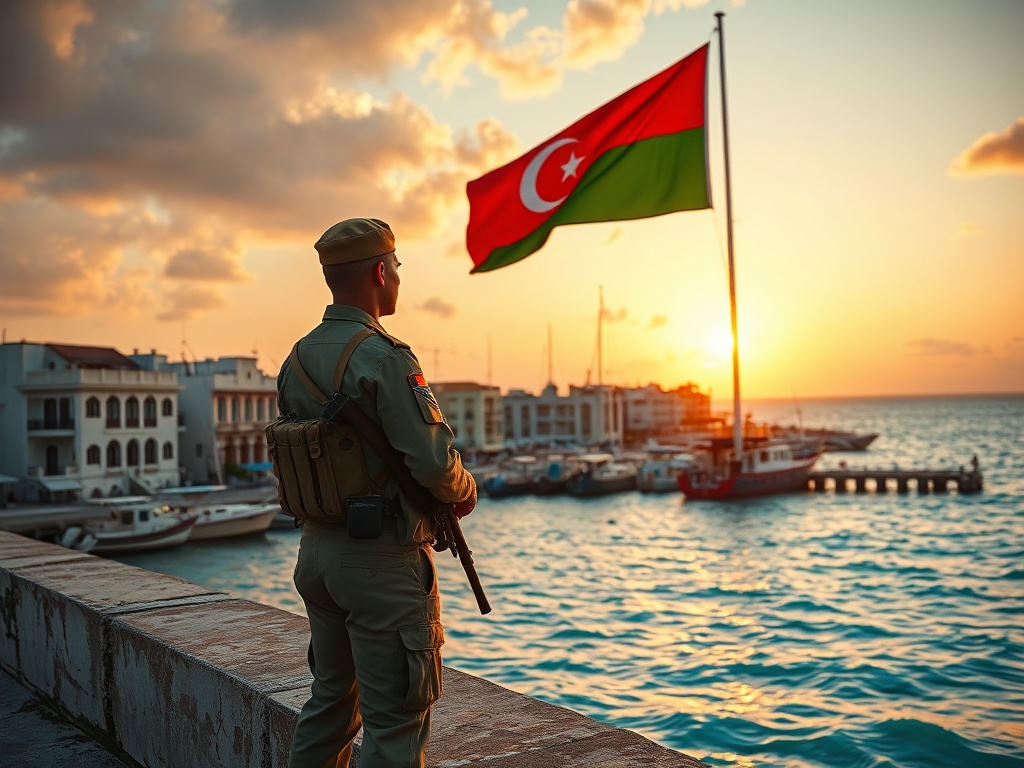
Victory Day Gunfire Echoes Over Rising Defense Bills
The crackle of ceremonial gunfire echoes across Malé during Victory Day celebrations, but beneath the patriotic displays lies a deeper, more urgent conversation about what true sovereignty costs in today's world. Across social media platforms and coffee shops, Maldivians are grappling with the tangible price of independence.
Wealth accumulates gradually, many argue, but security cannot wait. The debate centers not on whether to invest in defense, but how much and from whom. Recent government statements about ending "15 years of neglect" in the defense sector have amplified these discussions, bringing military spending into mainstream political discourse.
For some, the mathematics of security appears straightforward. Annual investments in serious military hardware—drones, missile systems, naval assets—represent not mere expenditure but insurance against future threats. The argument extends beyond immediate defense needs to economic stability: who would invest in a nation that cannot protect itself? This perspective frames military spending as foundational to both security and prosperity.
Historical references surface repeatedly in these conversations. The 1988 coup defense remains a touchstone, with particular admiration for figures like retired Brigadier General Ibrahim Didi, remembered for his decisive actions during that critical moment. These historical lessons reinforce the contemporary argument that preparedness matters precisely when threats seem distant.
The geopolitical dimension adds complexity to the calculus. References to "balancing" foreign military influence reflect broader regional anxieties. While specific claims about foreign bases remain contested, the underlying sentiment reveals a desire for strategic autonomy and the preservation of hard-won independence.
Critics question the opportunity costs—whether substantial defense allocations might divert resources from pressing domestic needs like healthcare, housing, and education. Yet proponents counter that true sovereignty requires the capacity to defend it, drawing parallels to other essential but invisible public goods.
As the government moves to modernize firefighting units and other emergency services, the conversation expands beyond traditional military assets to comprehensive security infrastructure. This broader understanding of defense acknowledges that national resilience requires multiple layers of protection.
The fundamental question remains: what price are Maldivians willing to pay for their sovereignty? The answer appears to be evolving, shaped by historical memory, contemporary threats, and aspirations for a future where the nation stands secure in its independence.
— Source fragments: wealth is generated over time; spend on serious military hardware; independence is worth spending for; Victory Day honoring heroes of 1988 coup defense; defense sector neglect ending; historical figures like Ibrahim Didi; security important for investment; defense important even without imminent threat; military spending comparisons; need for drones, missiles, airforce; balancing foreign military influence