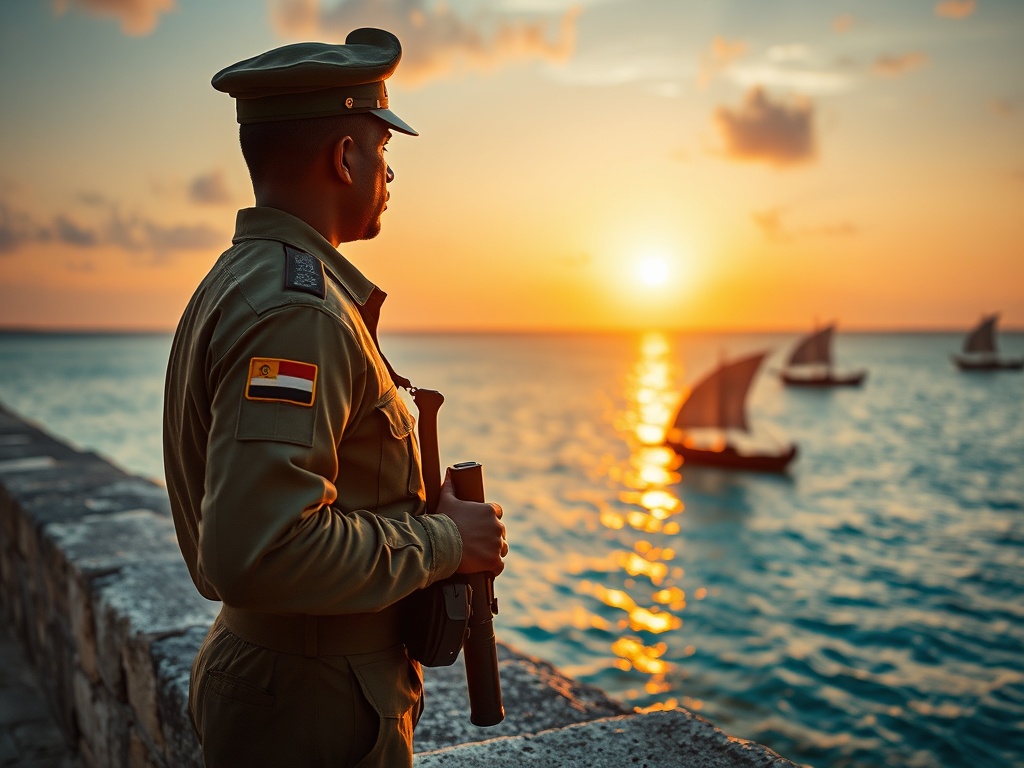
Victory Day's Unanswered Question: How Much Security Can We Afford?
The annual observance of Victory Day, marking the defense against the 1988 coup attempt, has reignited a complex debate about national security spending in the Maldives. This year, the conversation extends beyond ceremonial remembrance to practical questions of military modernization and strategic positioning.
Proponents of increased defense expenditure argue that sovereignty comes with a price tag. The current administration's claim of ending 15 years of neglect in the defense sector reflects a broader shift toward viewing military capability as essential for both practical security and international standing. The argument centers on the notion that independence must be backed by tangible defensive capacity, with some voices calling for specific investments in drone technology, missile systems, and air force capabilities.
The discussion frequently references historical context, particularly the events of November 3rd, 1988, when national defenders scrambled to arm themselves against foreign mercenaries. This historical moment serves as a potent reminder of vulnerability and the importance of military readiness, even in times of apparent peace.
Critics question the fiscal wisdom of significant military spending given the country's economic challenges, including high national debt and pressing domestic needs. However, advocates counter that security infrastructure represents a foundation for economic development, arguing that investors require confidence in a nation's ability to protect its territory and interests.
The debate also touches on regional geopolitics, with some viewing military partnerships as necessary counterbalances to perceived regional dominance. This perspective sees defense investment as part of a broader strategy to maintain sovereignty in a complex international landscape.
Beyond the hardware and budget percentages lies a deeper question about what constitutes meaningful sovereignty in the 21st century. While military capability remains one component, the conversation increasingly acknowledges that true independence also depends on economic resilience, diplomatic agility, and internal unity. As the Maldives navigates these competing priorities, the balance between defense spending and other national needs will continue to shape the nation's trajectory.
— Source fragments: Victory Day commemorations, defense spending arguments, historical references to 1988 coup, calls for military modernization, sovereignty discussions