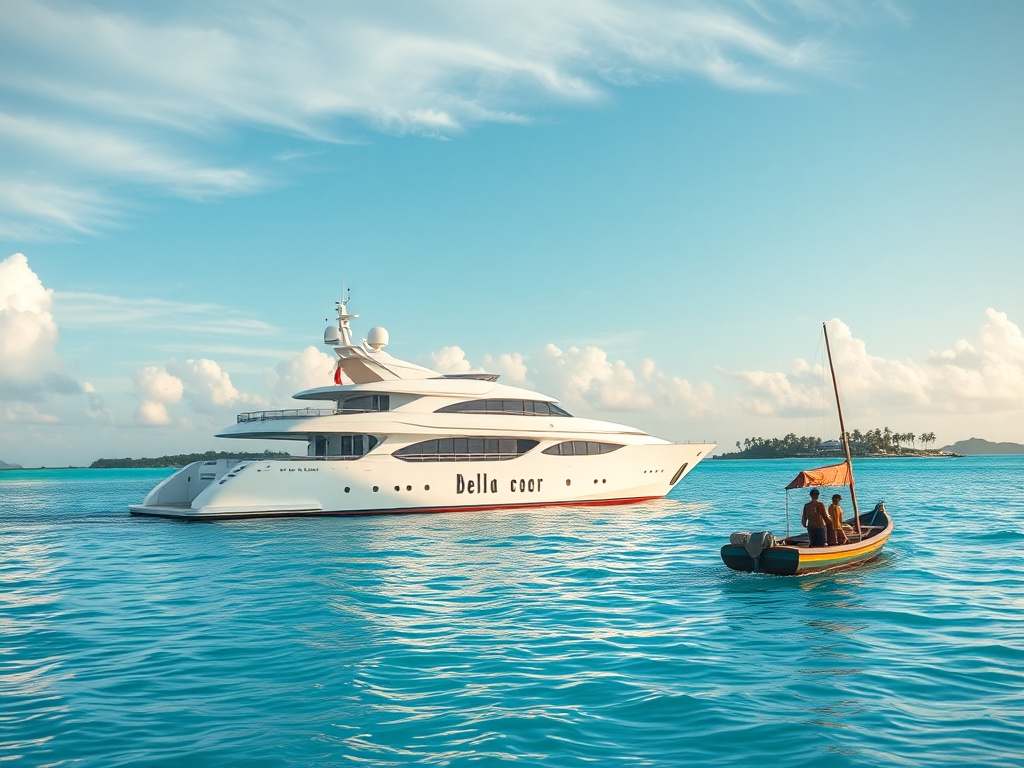
Visit Maldives Showcases Luxury Appeal with New Superyacht Tourism Campaign
The announcement of a new superyacht tourism campaign by Visit Maldives arrives at a pivotal moment for our islands. On one hand, it promises to elevate the country's profile as an exclusive destination, potentially bringing in high-spending visitors. But what does this mean for the average Maldivian? The glitter of superyachts docking in our lagoons often contrasts sharply with the realities faced by local communities.
While luxury tourism has long been a cornerstone of our economy, the superyacht segment represents an even more exclusive tier. These vessels cater to the ultra-wealthy, offering everything from private chefs to helipads. The question we must ask is whether this model truly filters benefits down to our people. Will local businesses see increased demand for supplies and services, or will these yachts be self-sufficient, importing everything they need?
Environmental concerns also loom large. Superyachts consume significant amounts of fuel and generate substantial waste. In a nation where coral reefs and marine ecosystems form the very foundation of our existence, how do we balance economic gain with ecological responsibility? The delicate balance between development and preservation becomes even more precarious when dealing with vessels that have substantial environmental footprints.
There's also the social dimension to consider. As luxury tourism becomes increasingly exclusive, does it risk creating invisible barriers between visitors and locals? The Maldivian hospitality tradition is built on genuine connection and cultural exchange. When tourists remain confined to their floating palaces, what opportunities remain for meaningful interaction with the people who call these islands home?
The timing of this campaign warrants reflection. With global economic uncertainties and shifting travel patterns, betting heavily on the ultra-luxury market carries inherent risks. What happens if this segment proves volatile? Are we putting too many eggs in one basket, potentially at the expense of more sustainable, diversified tourism approaches?
Perhaps the most crucial question is who ultimately benefits from this strategy. Will the revenue generated by superyacht tourism be reinvested in local infrastructure, education, and healthcare? Or will it primarily enrich foreign investors and a small segment of the tourism industry? The answers to these questions will determine whether this luxury push represents genuine progress or merely another layer of exclusivity that leaves ordinary Maldivians watching from the shore.