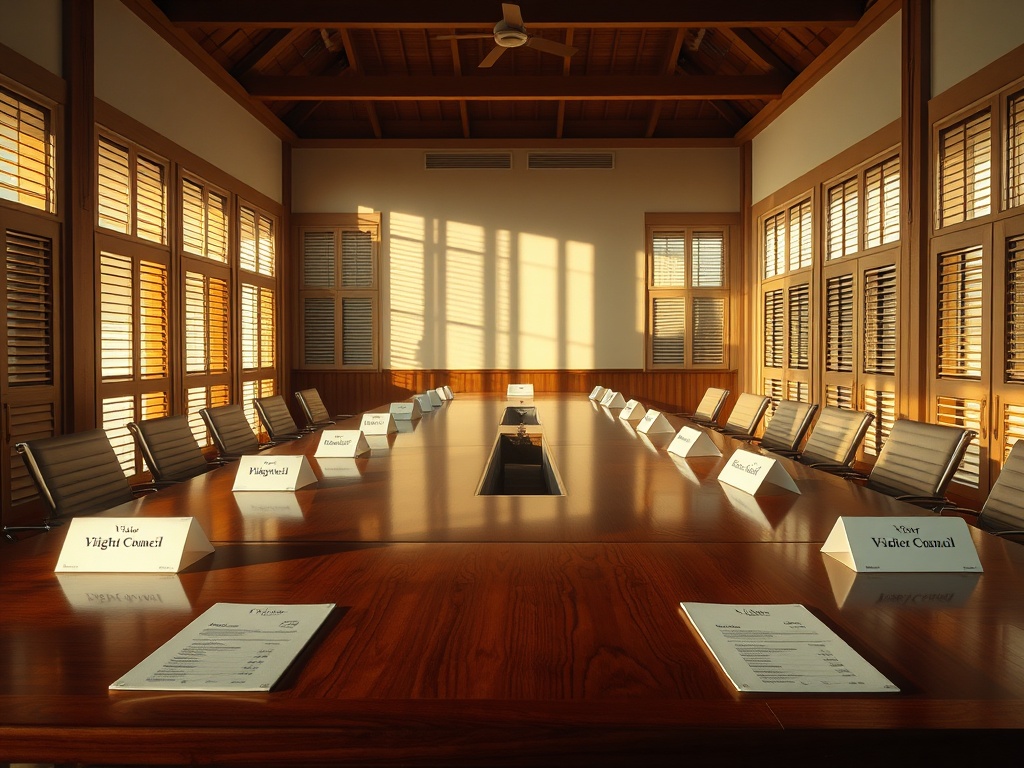
Visitor Economy Council Met Once in Two Years
When the Visitor Economy Council was established on November 19, 2023, it promised to bring coherence to the tourism sector—from waterfront cafes to resort operations. Instead, it has become a case study in institutional inertia, holding just one meeting in its entire existence. This pattern of creating public bodies that fail to function reflects a deeper governance crisis where form consistently triumphs over substance.
The frustration is palpable among citizens who see their taxes funding what feels like political theater rather than public service. The sentiment that tax money is being used to "crowdfund a fan club" captures the disconnect between government initiatives and public benefit. In an era where virtual meetings could streamline operations and reduce costs, the persistence of expensive, unproductive gatherings seems increasingly anachronistic.
This inefficiency exists against a backdrop where the single largest expenditure in the national budget consistently goes to salaries and allowances. The pattern suggests a system where creating positions matters more than delivering results, where the appearance of governance substitutes for its actual practice.
The contrast between this administrative paralysis and the urgent needs of Maldivian society couldn't be starker. While councils meet once in two years, citizens grapple with housing shortages, healthcare inadequacies, and economic pressures. The tourism sector itself—the nation's economic backbone—deserves more than symbolic attention from a council that exists mainly on paper.
What emerges is a governance model where accountability has been replaced by ceremony, where public resources fund positions rather than progress. The solution isn't more councils or meetings, but a fundamental rethinking of how public institutions serve public needs. Until then, taxpayers will continue watching their money fund empty chairs in meeting rooms rather than solutions in their communities.
— Source fragments: Visitor Economy Council formed 19 November 2023, only one meeting held; tax money funding ineffective institutions; suggestion of virtual alternatives; national budget priorities toward salaries