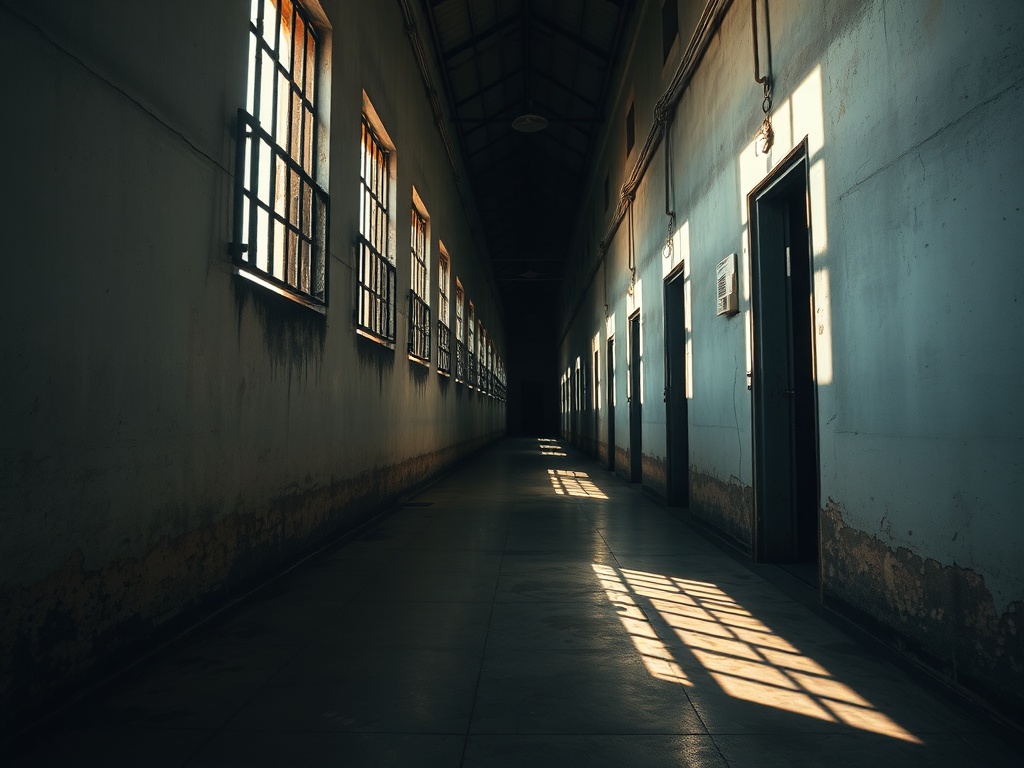
Water-Stained Walls and Endless Waiting in Malé's Cells
In the cramped cells of Malé's detention facilities, time moves differently. Water leaks from ceilings, yard time is rationed, and human dignity becomes collateral damage in a system where remand has transformed into indefinite punishment. This is Vaanuvaa—not just a place, but a condition of suspended justice that has sparked a humanitarian movement demanding reform.
The case of the young girl facing prosecution for a minor infraction exemplifies the system's disproportionate response. No violence, no injury, no property damage, no prior offenses—yet the full weight of the state machinery threatens to descend. Meanwhile, high-profile figures implicated in major scandals walk free after returning stolen funds, creating a two-tiered justice system where accountability depends on one's connections and resources.
What emerges from these parallel realities is a justice system operating on political calculus rather than legal principle. Rushed verdicts in politically charged cases contrast starkly with endless delays for ordinary citizens. The same system that allows alleged masterminds of significant events to live freely while celebrating the anniversaries of those same events reveals a profound disconnect between official narratives and ground-level realities.
The human cost is measured in personal stories: the father of four sentenced to 27 years for questionable charges, the inmate spending six months in remand for minor allegations, the families watching their loved ones disappear into a legal limbo where trials never come. These aren't isolated incidents but symptoms of a deeper institutional failure.
Critics argue that the comfort of distance allows many to remain unmoved—until the system touches their own families. The government's financial interests in maintaining the current apparatus, whether through budget allocations or other benefits, create perverse incentives against reform.
The call to end Vaanuvaa represents more than prison reform; it's a demand for the restoration of fundamental rights. The movement recognizes that while accountability matters, it cannot be achieved through systems that themselves violate basic human dignity. The solution lies not in abandoning justice, but in building it properly—through fair trials, transparency, and timely proceedings that respect both victims and the accused.
As the debate continues, the central question remains: when does detention become punishment without conviction, and when does a justice system become its own injustice?
— Source fragments: Prosecuting young girl for minor infraction; indefinite detention without trial; unfair political trials; high-profile figures walking free after returning stolen funds; inhuman prison conditions; systemic torture benefiting government; personal experience with remand system; need for balanced justice with accountability