Waves of Change: An Island Soul's Silent Struggle
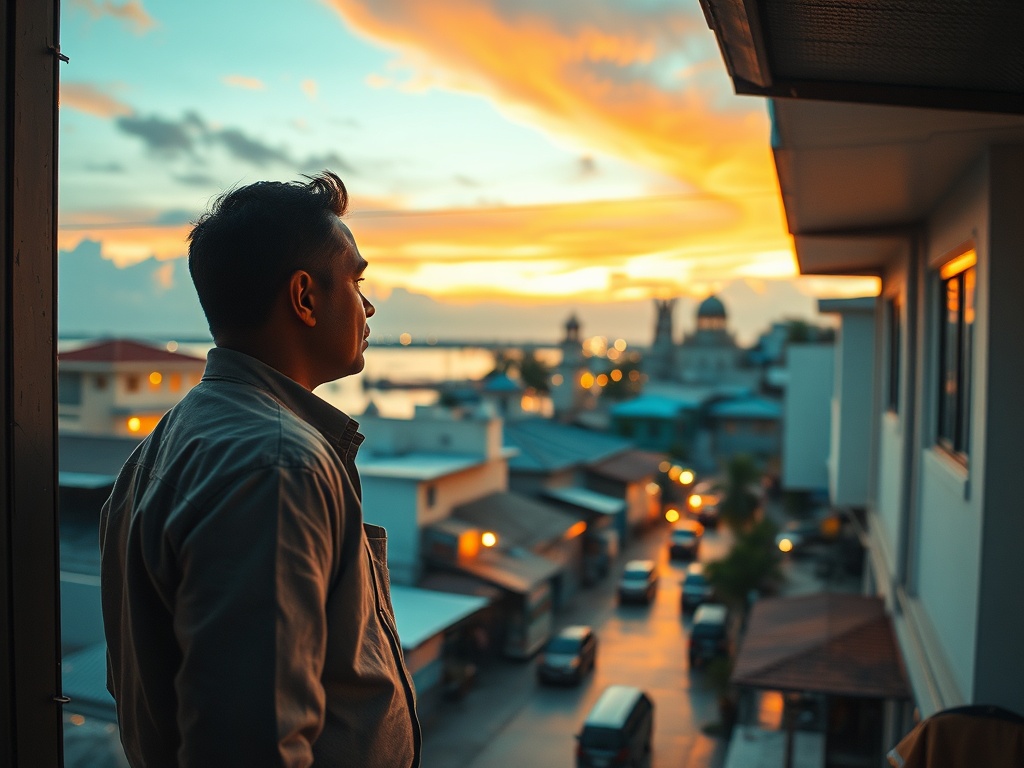
The November heat clung to Male' like wet cloth. From his office window, Ahmed watched the dhoni boats cut through the turquoise water, their wakes tracing temporary scars on the sea's surface. His phone buzzed—another message about military bases and secret agreements. He swiped it away, the digital anxiety joining the humid air.
On his desk lay budget reports, the numbers swimming before his eyes. 2.5 million, 5 million—figures that felt both enormous and insufficient. He remembered his grandfather's stories of fishing dhoni that needed only wood, rope, and knowledge of the currents. Now everything required spare parts, maintenance, foreign agreements. Who benefited? The question echoed in the still office air.
Later, walking through the narrow streets, he felt the city's pulse—the tension between progress and preservation, between what was necessary and what was merely political. He passed the fish market where men from remote atolls sold their catch, their voices carrying the rhythms of islands he'd never visited. The division between Male' and the rest haunted him—not just in politics but in the very way people looked at each other across the water.
At the harbor, he watched a young couple helping each other onto a speedboat, their hands meeting with practiced trust. 'Exposure therapy,' someone had called it—facing fears directly. The phrase lingered as he considered his own work, the slow chipping away at systems that seemed designed to resist change.
Back home, the evening call to prayer floated over the rooftops, a familiar thread in the fabric of daily life. He thought about the year behind him—professional successes that felt distant from the struggles playing out in parliament and on social media. Gratitude mixed with unease. The hard work did reward, but what exactly was being built?
The sea breeze finally reached his window, carrying the salt-scent of possibility and limitation. Somewhere out there, beyond the reef, other Maldivians were looking back toward this crowded island, their perspectives shaped by different currents, different horizons. The water that connected them also measured the distance between—a paradox as deep as the ocean trenches that surrounded their home.
— Source fragments: Filtered fragments focused on emotional and thematic elements: anxiety about spending and military presence, division between regions, the weight of governance decisions, personal reflection on change and gratitude, the physical and metaphorical distances between people.