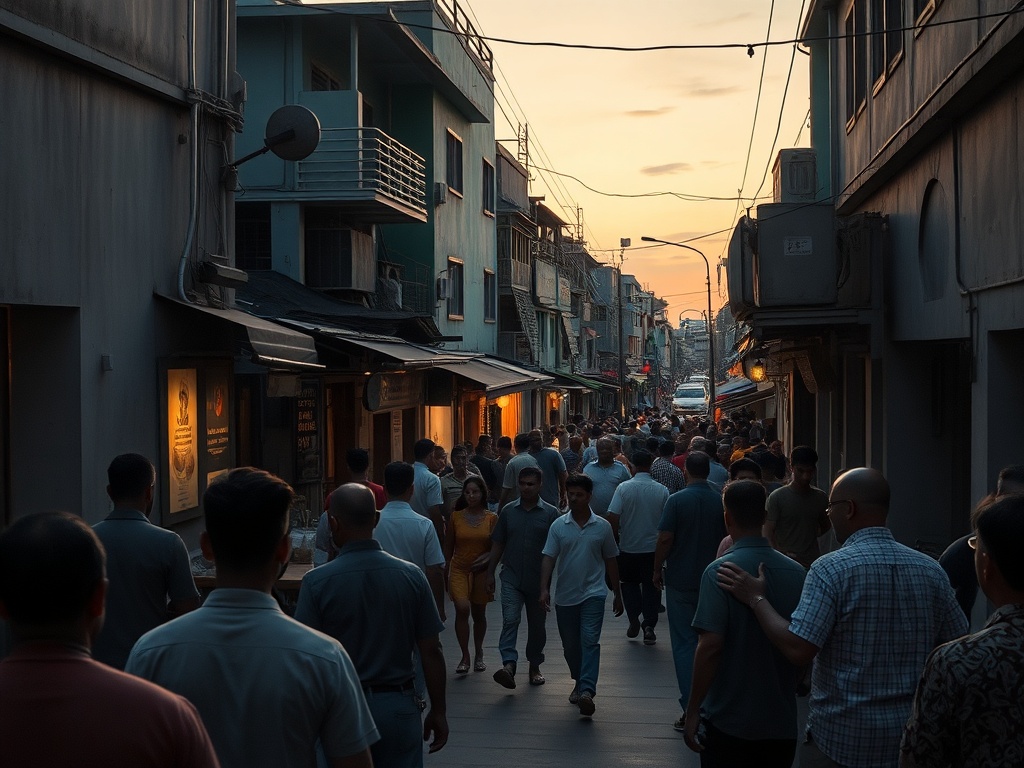
We all know where we're headed
You can feel it in the air when you walk through Malé's narrow streets. That tension when you lower your voice while discussing politics near the harbor, glancing over your shoulder even among friends. We've seen this pattern before in our islands – the slow erosion of what we took for granted, the quiet closing of spaces where we could speak our minds.
Our grandparents remember when you could stand at the local coffee shop and criticize any leader without looking twice. Now, even describing what's happening before your eyes feels like a risk. The policies coming from this administration aren't accidental. They're carefully designed to make us dependent, to ensure we can't survive without government assistance. Look at how they're handling housing – those subsidized flats that should help ordinary families are being controlled by politically connected people living abroad, while young Maldivians can't find affordable places to live.
What's most dangerous is how they present themselves. The appearance of weakness and incompetence is just that – an appearance. Meanwhile, their teams work day and night, appointing loyalists to redundant positions, realigning the courts, controlling the media narrative. They know exactly what they're doing. They're creating a system where opposition becomes impossible, where criticizing the government could mean losing your job, your housing, your access to essential services.
We see it in the economy too. With youth unemployment at nearly thirty percent, many young Maldivians feel they have no choice but to accept whatever opportunities the government provides. Meanwhile, the tourism policies favor those with connections, creating deeper divisions between those who benefit and those who struggle just to pay for basic necessities. The promise of development masks the reality of control.
Yet even as they tighten their grip, there's something they can't take away – our collective memory, our understanding of what's happening. We recognize these patterns because we've lived through them before in different forms. The Maldivian spirit has weathered many storms, and this awareness we share, this ability to see through the facade, might be our greatest protection. We need to hold onto our voices, our connections with each other, and our refusal to accept that this is our inevitable future.