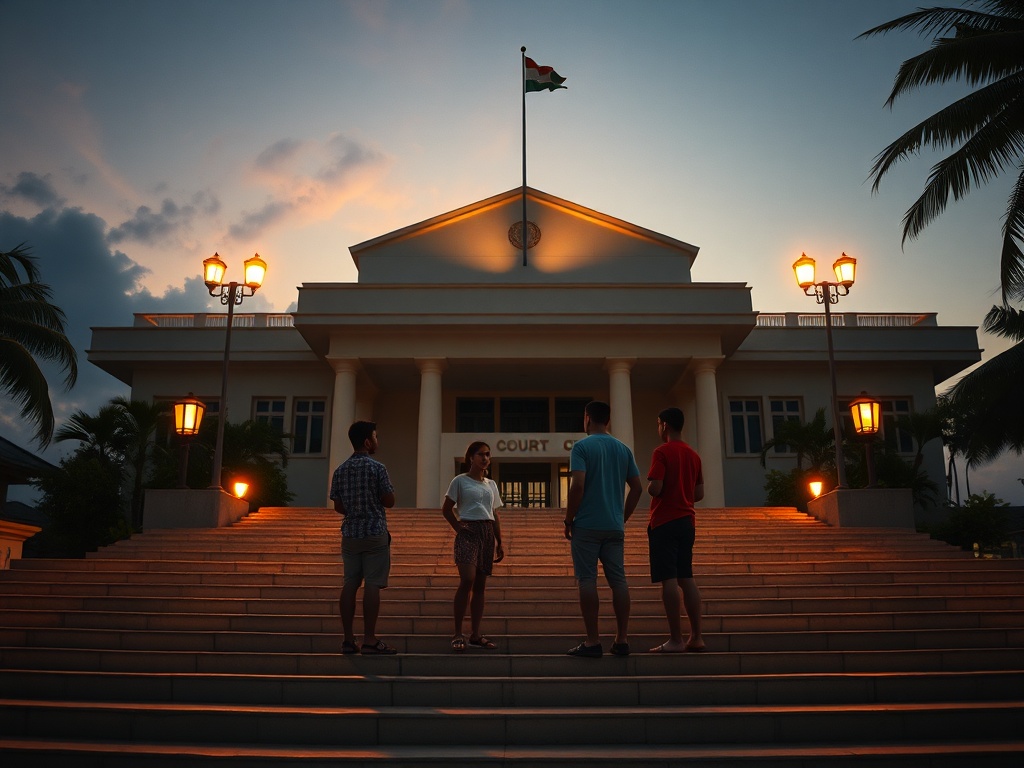
We believe in the law, not in vengeance
Sometimes the anger burns so hot you can taste it in the back of your throat, like diesel fumes on a humid Malé afternoon. You see the headlines, hear the whispers on the ferry, and feel that collective simmer of injustice. 'The rich become richer, the poor become poorer,' someone says, and everyone just nods. It’s an old, tired song we all know the words to.
And in that heat, the ugliest thoughts can bloom. A call for assassination, disguised as a joke or a pop culture reference. 'Kirk him.' The phrase hangs in the air, toxic and cheap. But then, just as quickly, a cooler head prevails. 'I don’t support anyone’s assassination.' Another voice, firm and clear. 'Even the most corrupt should be punished within the laws.' This is the line we will not cross. This is the reef that protects us from the open ocean of chaos.
We have seen where vengeance leads. We remember the stories, the scars on our national soul. A snatched phone, a broken due process—these are small fractures that, left unchecked, can bring the whole house down. We want Muizzu gone, yes. We want accountability for the corporate thugs and their bank friends. But we want it done right. We want the system we were promised, not the jungle it sometimes threatens to become.
So we hold fast to this fragile idea of law. It’s our blessing in disguise, this stubborn belief in a process. It forces us to be better than our anger. It teaches us resilience not through harassment, but through the slow, grinding work of building something that lasts. The sea gets rough, but we will not become the storm. We will anchor ourselves in the principle that no one is above the law, and no one is beneath its protection.