We blame the messenger, not the problem
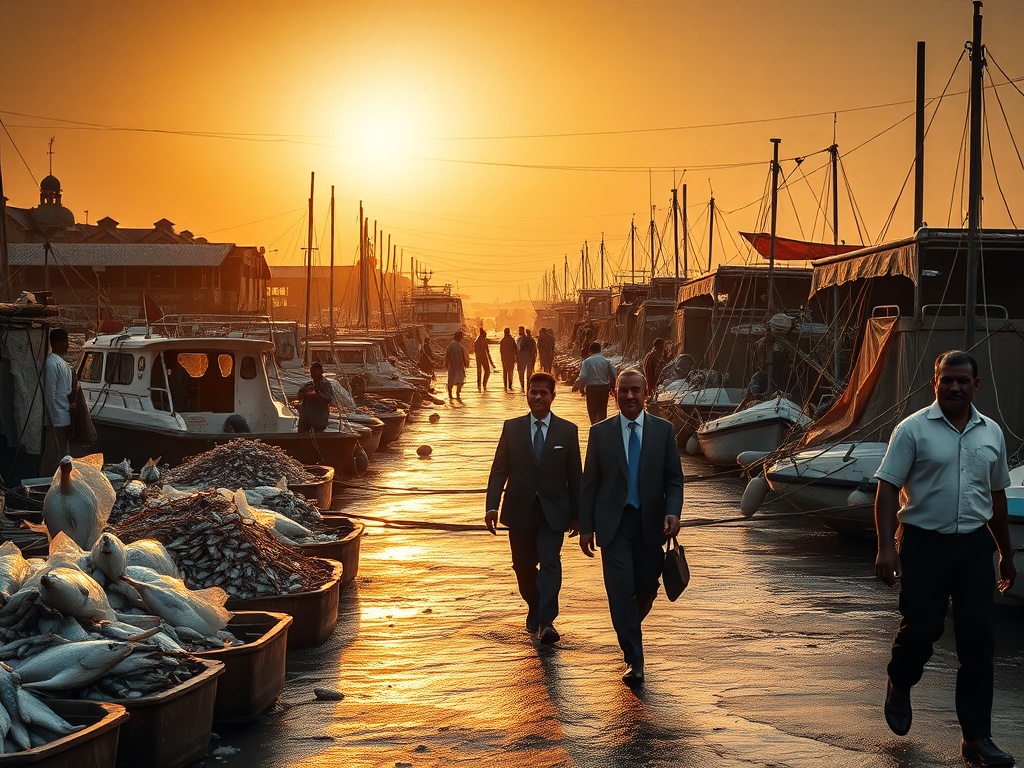
I was standing in the Malé fish market yesterday, watching fishermen unload their catch while government officials in crisp shirts walked by without a glance. The smell of salt and diesel mixed with the frustration in the air. A man was complaining about the water shortages in his neighborhood, and someone immediately shot back: "Well, what are you doing about it?" Not "What is the government doing?" Not "Why hasn't this been fixed?" But why hasn't this ordinary citizen, who pays taxes and follows laws, single-handedly solved our infrastructure crisis.
This is the rot we've grown too comfortable with. When someone points out that the Aasandha system is being defrauded by private clinics, we ask why they're not investigating the fraud themselves. When young people highlight that 30% of their generation can't find work, we question why they're not creating jobs instead of demanding accountability from the billions in tourism revenue that somehow never reaches them. The messenger becomes the problem, and the actual problem gets to walk away untouched.
Look at our housing crisis. Forty percent of us live crammed on two square kilometers while politically connected leaseholders sublet government flats from abroad. When someone documents this corruption, the response isn't outrage at the system—it's skepticism about the documenter's motives. "If you're so smart, why don't you build affordable housing?" As if ordinary citizens have the power to allocate land and resources that are systematically hoarded by the few.
Our collective reflex has become to protect the powerful by questioning the powerless. Every government gets to walk away in full impunity because we've trained ourselves to attack whoever points out the emperor has no clothes. The fisherman who notices fuel subsidies disappearing into bureaucratic pockets gets asked why he's not running the fisheries ministry. The mother who can't get medicine at the hospital gets questioned about why she's not a doctor.
We see this in how we discuss foreign military presence too. When citizens express sovereignty concerns, they're immediately challenged: "What would you do about national security?" As if having an opinion requires having all the solutions, while those actually in power face no such burden of proof.
This deflection game costs us everything. It means the same patterns repeat—corruption in housing, fraud in healthcare, unemployment for youth, impunity for leaders—while we're busy scrutinizing the people who dare to name these failures. The energy we should direct toward demanding better governance gets wasted on questioning why ordinary Maldivians haven't magically fixed systems designed to resist fixing.
There's a quiet hope though, in how younger Maldivians are starting to reject this tired script. They're refusing to accept that pointing out a problem makes you responsible for solving it alone. They're remembering that in a democracy, the government works for us—not the other way around. And that shift, however gradual, might be what finally breaks our comfort with this rot.