We keep finding our voice in the noise
I was reading about another commission being formed—ten applicants, former members, recycled faces. The same names appear like monsoon clouds returning season after season. Outside, the afternoon call to prayer mingled with the sound of construction and ferry horns. Another day in Malé, another headline about someone losing their job for doing the right thing.
They terminated the officer who exposed cigarette smuggling at the airport. Mikayeel, they say his name was. He stopped the corruption, then lost his pass. We hear these stories so often they barely register as news anymore. Just another person trying to do good work while the system works against them. The sea doesn't care about our politics, but it bears witness to all our comings and goings.
Meanwhile, our delegation meets with advisors from Cambodia at some international forum. Gaza burns, and we call it the biggest betrayal in history. The world watches genocide unfold, then shouts about peace when nothing remains. We know something about betrayal here—not on that scale, but in the daily erosion of trust. The housing given to friends of friends, the jobs that disappear if you speak up, the medicines that never arrive.
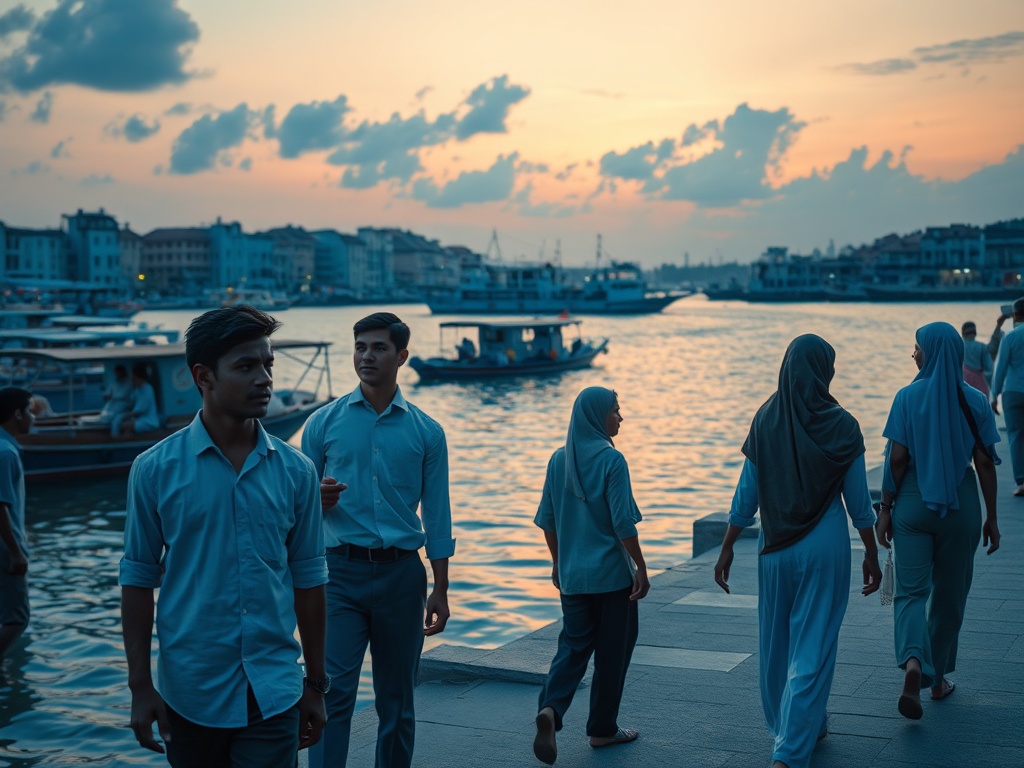
Yet we persist. The young men still gather at the harbor in the evening, watching the dhoni boats come in. The women still wrap their scarves carefully and go to work. We still pray five times a day, finding rhythm in the chaos. There's a quiet determination in how we navigate these overlapping crises—the economic pressures, the political games, the global injustices we feel powerless to change.
Perhaps that's our resilience—not in dramatic protests or revolutionary changes, but in the steady continuation of ordinary life. We find our voice in small acts of integrity, in remembering the names of those who stood up, in recognizing betrayal wherever it occurs. The sea has taught us patience, but not silence. We keep speaking, even when our words seem to disappear into the vast blue horizon.