We keep going, even when the sea gets rough
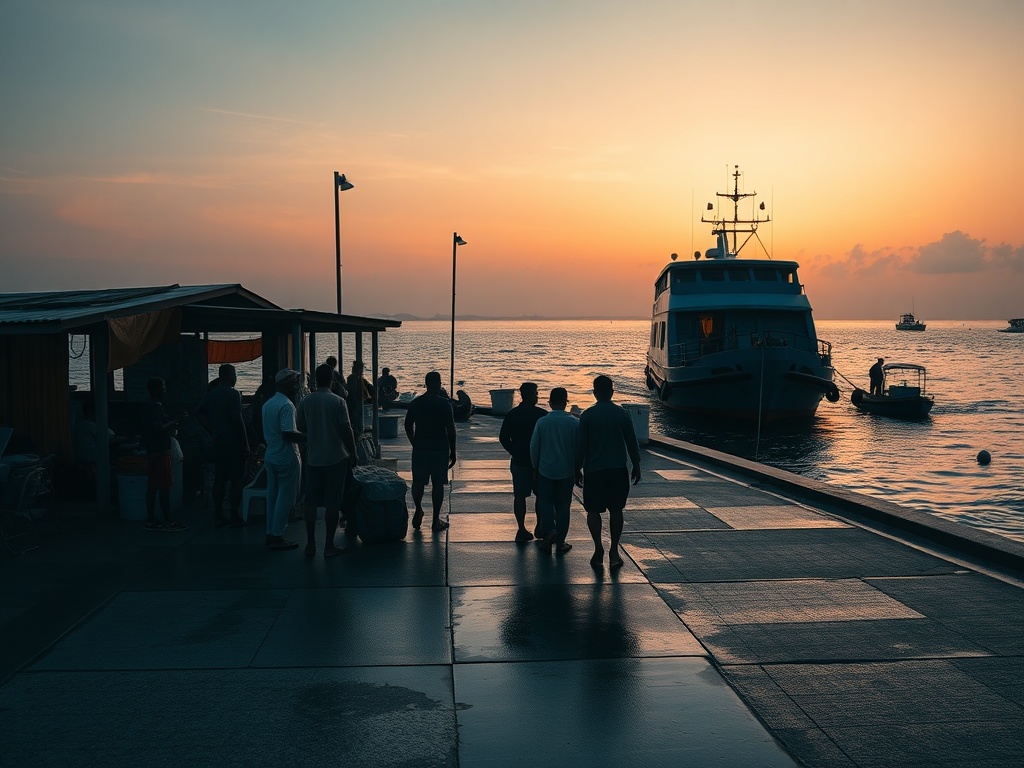
The ferry is late again. I stand at the harbor, watching the water slap against the concrete. Another day, another wait. The sun beats down, but the breeze carries the salt and the faint smell of diesel. Across the water, the new high-rises in Malé gleam, monuments to someone else’s progress. We read the headlines—corruption, debt, India Out—and it all feels so far away, until you try to buy fish for dinner and realize your rufiyaa doesn’t stretch as far as it used to.
Sometimes it feels like we’re all just treading water. The government changes, the parties shout, but the sea stays the same. They talk about development while our youth float between unemployment and the lure of easy money. The clinics run out of medicine, and the lucky ones fly to Colombo or India. The rest of us make do. We always make do.
My neighbor’s son got a job at a resort. He sends money home, a small lifeline. But he says the real profits sail away to foreign accounts, while we fight over the scraps. It’s the same story, election after election. Promises of land, of housing, of a better life. Then the flats go to party loyalists, or worse, to those who live abroad and rent them out at prices we can’t afford. We’re squeezed from all sides—by our own leaders and by the strangers who come here to work, filling jobs we were told would be ours.
And yet. There’s a stubbornness in us, a quiet defiance. We gather for evening tea, share stories, laugh about the absurdity of it all. The sea taught us patience. It taught us that storms pass, that calm returns. So we keep going. We find joy in the small things—a child’s laughter, a perfect sunset, the taste of fresh coconut. We hold onto each other, because what else is there?
This isn’t resignation. It’s something deeper, something woven into the coral and the sand. It’s the knowledge that while governments rise and fall, we remain. We endure. The sea may get rough, but we’ve been sailing these waters for generations. We know how to ride the waves.