We keep talking, but who's really listening?
I saw the President's statement again today – 'listening to citizens firsthand.' The words hung in the humid air like the promise of rain that never comes. We keep hearing this, the same phrases recycled like plastic bottles washing up on our shores. Meanwhile, private photos leak, young girls get victimized again in public discourse, and we all pretend this is normal.
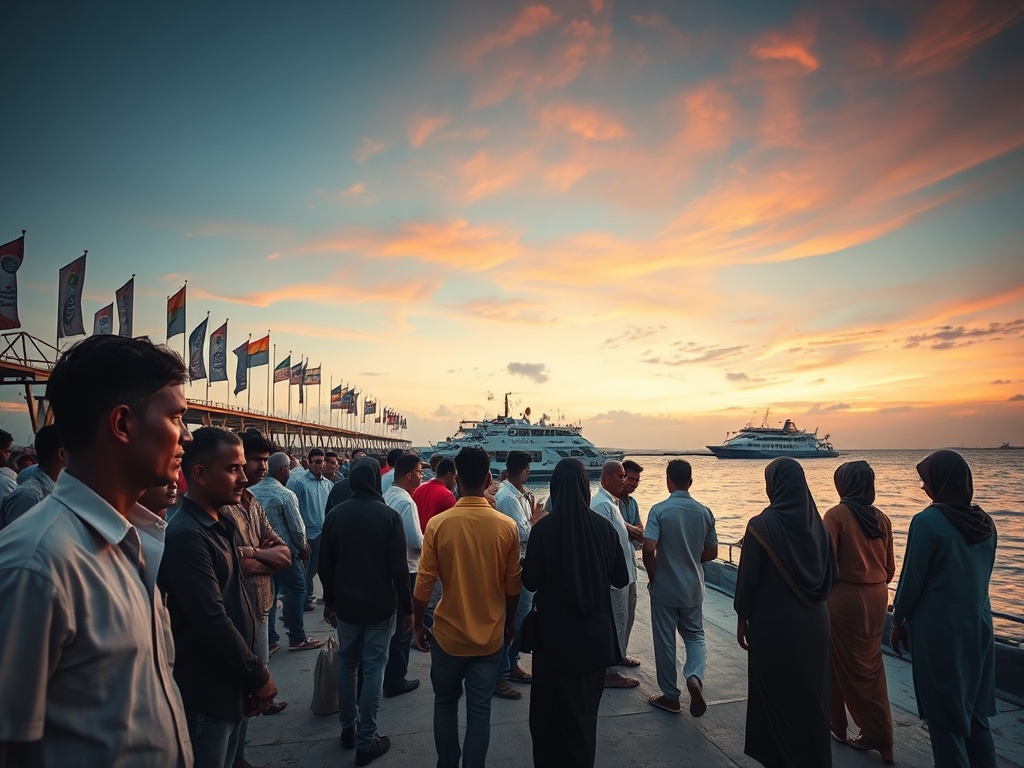
At the harbor this morning, waiting for the ferry that's always late, someone mentioned the police leak. Two women from the opposition, their private moments now public property. We shook our heads, not in surprise but in weary recognition. This is how it goes here – plenty of people see it, enough people talk about it, but nothing really changes. The speculation swirls like monsoon winds, harming someone, always harming someone.
The gap between what's said and what's lived feels wider than the channel between Malé and Hulhumalé. They talk about building a stronger Maldives while the foundations crack beneath us – housing crises, medicine shortages, jobs that don't exist for our educated youth. The buildings go up in Hulhumalé, but who can afford to live in them? The flats meant for locals get subleased by people living abroad, while we cram into crowded spaces with relatives.
I watch the expatriates arrive daily, their numbers uncontrolled, while our children can't find work. I see the resort lights twinkle across the water, knowing the money flows out as easily as the tourists flow in. The president speaks of listening, but I wonder if he hears the quiet desperation beneath the political noise – the mother counting coins for diabetes medicine, the graduate sending out another application, the family sharing two rooms among three generations.
We've become experts at reading between the lines, at understanding what isn't said. When they say 'speculation may harm,' we hear 'don't question.' When they talk about 'building stronger,' we see the same patterns repeating – relatives appointed, positions created, the public sector bloated with political favors while essential services wither.
Yet here we are, still talking on ferries, still gathering in tea shops, still passing information in lowered voices. There's something profoundly Maldivian in this persistence – this determination to bear witness even when bearing witness feels dangerous. We keep showing up, keep watching, keep speaking our truth in whatever spaces remain.
The sea doesn't care about our politics. It continues its eternal rhythm, washing the shores clean each day only to have new debris appear by afternoon. Maybe that's our hope too – this relentless returning to conversation, to community, to the basic human need to be heard. Not just in official statements, but in the quiet recognition between neighbors that says 'I see what you see, I feel what you feel.'
Tomorrow, there will be another statement, another promise. And we'll be here, watching, waiting, talking – our private lives increasingly public, our public concerns increasingly private. The listening has to start somewhere. Maybe it starts with us, with refusing to stop speaking even when nobody seems to be listening.