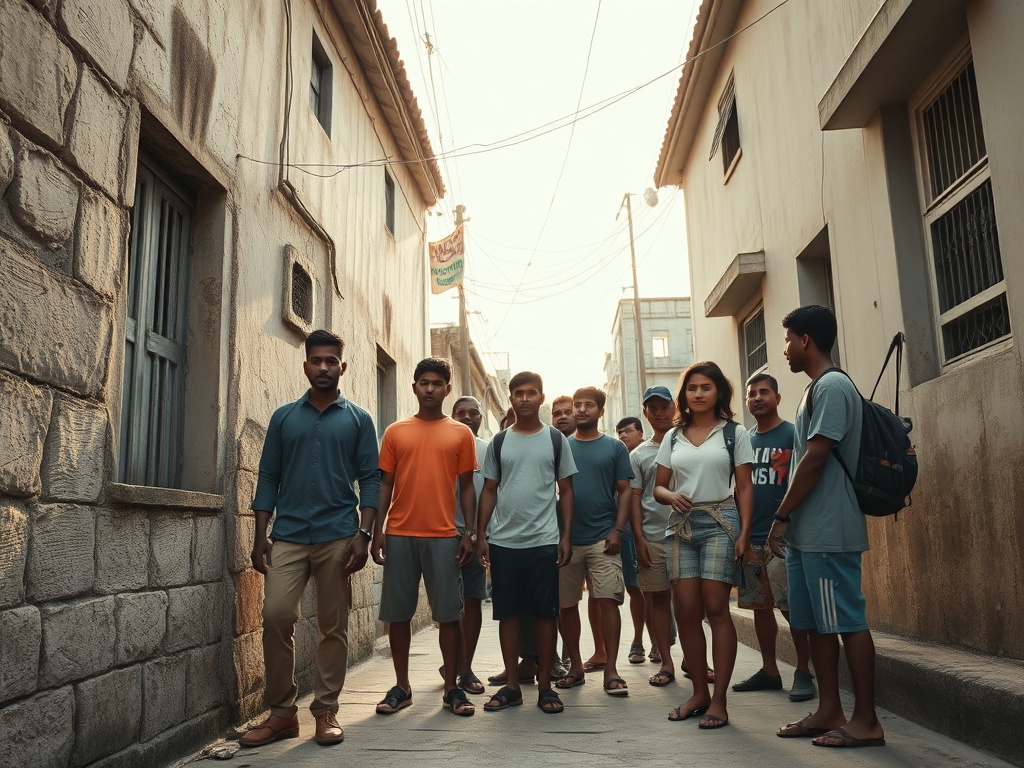
We marched claiming to end Maumoonism, now it comes in multiple flavors.
It was supposed to be a revolution. We filled the streets of Malé with hope, chanting for change, believing we could dismantle a system built for a few. We called it Maumoonism—a structure that centralized power, wealth, and opportunity in the hands of a privileged class. But look where we are now. The faces have changed, the slogans sound different, but the machinery remains intact. We didn’t end Maumoonism; we just gave it a fresh coat of paint and new branding. It’s a franchise now, operating under different names, different parties, but serving the same old masters.
Why does this keep happening? The answer lies in our constitutional and legal foundations. They weren’t designed for justice or equality. They were crafted to protect the interests of those already in power. When laws favor the elite, every protest, every election, becomes a reshuffling of the same deck. The real winners are never the people who march, but those who fund the marches from air-conditioned rooms, only to switch sides when it’s convenient.
Consider the recent protests. While citizens faced pepper spray and sonic weapons, the political financiers and insiders remained untouched. Some even donated to both sides, ensuring that no matter the outcome, their influence remains. This isn’t democracy; it’s a managed spectacle. The system is built to absorb dissent, not to address it. We shout for our rights, but the structure ensures those shouts never translate into real change.
What does this mean for the average Maldivian? It means that your voice is commodified. Your passion for justice is turned into a political asset for others. You stand in the sun, facing riot police, while the deal-makers are in the shadows, calculating their next move. This isn’t just about one party or one leader. It’s about a systemic failure that crosses party lines and generations.
So, where do we go from here? The first step is recognition. We must see the system for what it is—a franchise of power that adapts and survives. The second is unity. Division along regional or party lines only strengthens the franchise. The real battle isn’t between the south and the north, or one party and another. It’s between the people and a system designed to exclude them.
The question isn’t whether we can win an election. The question is whether we can rebuild a system that serves everyone, not just the franchise owners. Until then, we’ll keep marching, only to find that Maumoonism has simply opened another branch.