We stood up before, and we will stand again
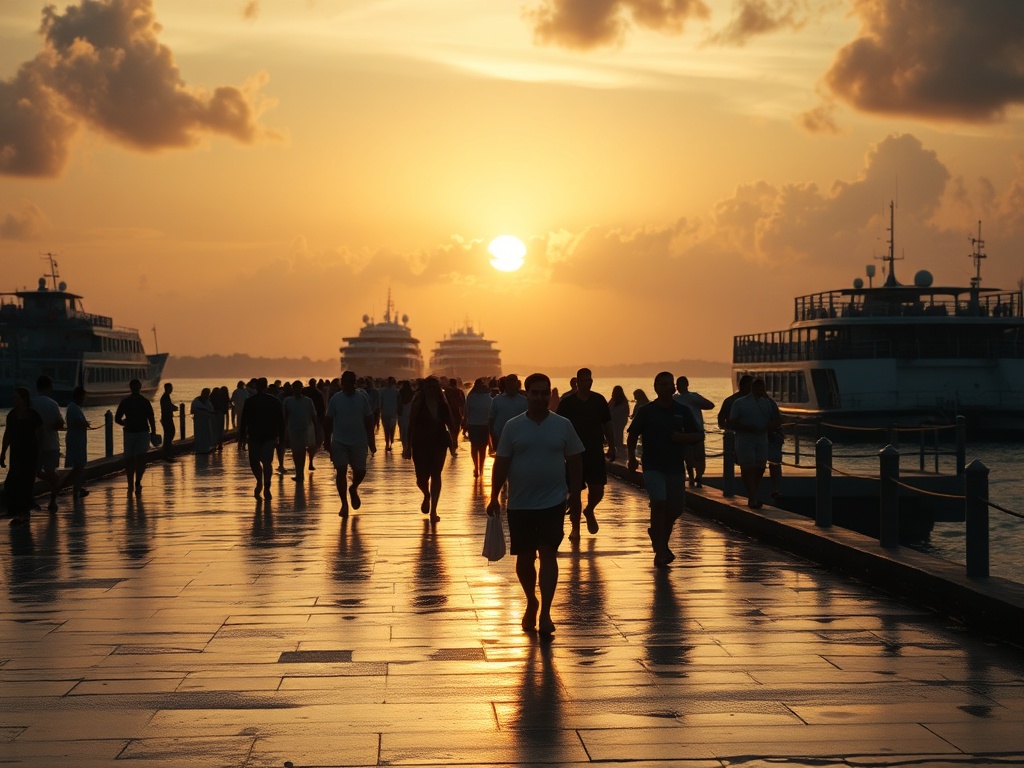
The ferry horn sounds across the harbor, a familiar cry that cuts through the humid afternoon. I watch from the edge of the jetty as people move with purpose—some heading to work, others just trying to find a moment of peace. We've been here before, in this space between hope and frustration, where the sea meets the shore and everything feels possible yet uncertain.
They tell us the waters are rising, that our islands might disappear beneath the waves. But we've learned that some dangers are more immediate than others. When police stop citizens on the street and take their phones without court orders, when the same faces appear in every ministry while young people can't find work—these are the tides we feel every day. The ocean may be patient, but people are not.
I remember 2008, when we believed we had turned a page. There was electricity in the air then—a sense that ordinary people had finally been heard. We stood together, united by the simple idea that no one should be above the people. Now, looking at the crowded streets of Malé, the housing crisis that pushes families further apart, the jobs that never materialize for graduates—I wonder what happened to that electricity.
Yet in the market, I still hear laughter between vendors. In the tea shops, political debates continue despite everything. There's a resilience here that runs deeper than politics, deeper than the rising seas. We complain about the cost of living, about medicines that aren't available, about the feeling that our voices matter less each year—but we haven't stopped speaking.
The world sees paradise when they look at our islands. They see resorts where you can stay for $150 a night, but they don't see the families who can't afford fish in their own markets. They hear about climate refugees but miss the political tensions brewing just beyond the tourist beaches. We live in these contradictions every day.
Still, there's something in the Maldivian spirit that refuses to be drowned—whether by seawater or despair. We've stood up before, and the memory of that unity lingers like the scent of salt on the breeze. It whispers through the crowded lanes of Malé, through the conversations on ferries, through the quiet determination of people who know their worth.
Maybe that's our true nature—not as victims of rising seas or political games, but as people who understand that standing up isn't a single act but a continuous choice. Every day we choose to keep going, to keep speaking, to remember that we've done this before. The sea may be changing, but so are we—adapting, persisting, finding ways to stand even when the ground feels unstable.