We watched our politics become a spectacle
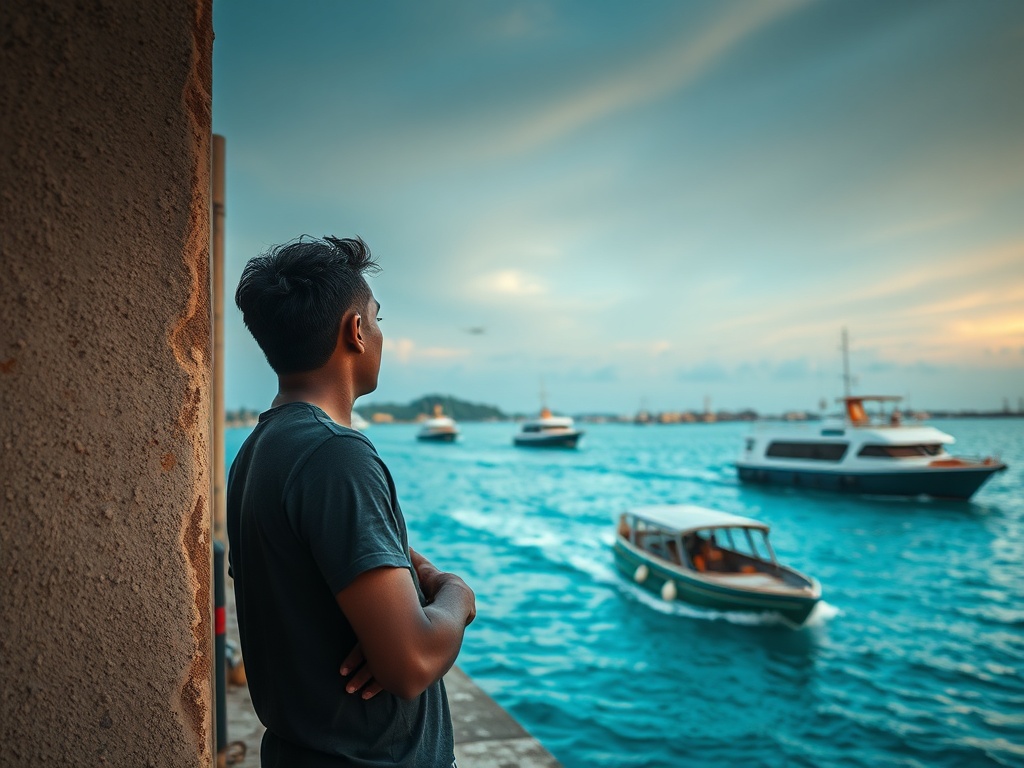
Sometimes I stand on the harbor wall in Malé, watching the tourist seaplanes land while the local ferries chug slowly between islands. The contrast feels like our reality – the glossy international image versus the slow, grinding pace of our daily lives. We read about analysts abroad studying our #IndiaOut campaign, about scholars writing papers on our "diplomatic blunders," and it all feels so distant from the woman bargaining for fish at the market or the young man waiting hours for a ferry to his construction job.
They call it corporatized corruption now, this system where political intimidation wears business suits and control operates through networks that look legitimate. We see relatives appointed to positions they're not qualified for, watch housing meant for struggling families go to those who already have homes abroad. The analysts write their reports, but we live the consequences – the medicine shortages, the rising bread prices, the feeling that our voices matter less each year.
What strikes me most is how we've become a case study while remaining people. The scholars analyze our political culture as if it's something separate from the mother worrying about her son's drug problem, the father working three jobs to pay rent in this crowded island. The breath of our remembrance, the rhythm of our days – these continue even as the political theater plays out.
We watch it all with a kind of tired humor, this spectacle of our nation being examined under microscopes while the real issues – the debt, the corruption, the daily struggles – continue like the tide, constant and unchanging. Maybe that's our real diplomatic achievement – surviving with grace while the world watches us struggle.