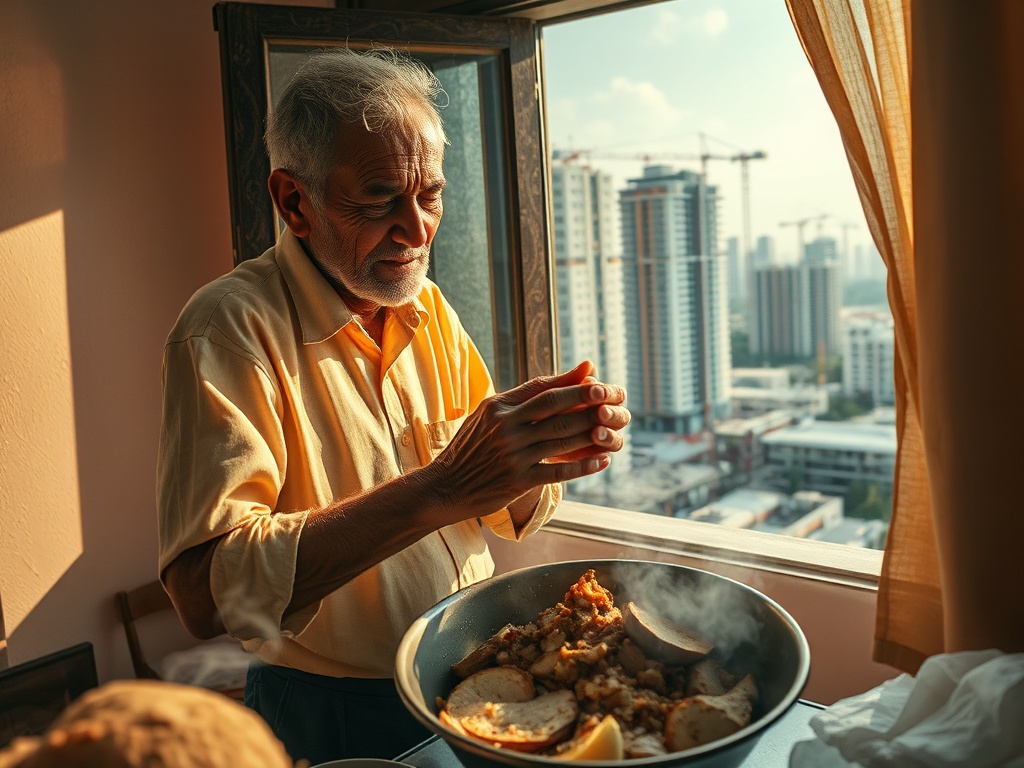
Weathered Hands, Modern Malé: The Search for an Indigenous Ambassador
The suggestion that the Maldives should have its first 'aboriginal president' or an indigenous ambassador might seem like playful political commentary, but it touches on deeper questions of identity that resonate across our island nation. This conversation reflects a growing awareness of what it means to be authentically Maldivian in an era of rapid globalization and political transformation.
Our national identity is firmly rooted in Islamic principles and traditional Dhivehi values, yet we increasingly find ourselves navigating the complex terrain of modernization. The idea of an indigenous ambassador—someone who embodies the essence of Maldivian culture rather than international celebrity—speaks to a desire for representation that feels genuine rather than performative.
This discussion extends beyond political appointments to the very fabric of daily life. The defense of traditional food preparation methods, where clean hands rather than utensils are used for handling rice and grapes, represents a microcosm of this cultural negotiation. What critics might dismiss as primitive, advocates understand as cultural heritage—practices that connect us to generations past and distinguish our way of life from homogenized global norms.
In urban centers like Malé, where rapid development has created a landscape of concrete and congestion, these cultural touchstones become increasingly precious. The household-scale preservation of traditional practices, even amid urbanization, suggests a resilience of cultural identity that transcends physical environment.
The conversation about indigenous leadership also raises questions about authenticity in public life. In a political landscape sometimes characterized by nepotism and strategic appointments, the concept of someone proudly claiming their indigenous heritage as a qualification represents a different paradigm—one where cultural authenticity becomes a measure of legitimacy.
As the Maldives continues to navigate its position in the global community, these discussions about cultural preservation and authentic representation will only grow more relevant. The challenge lies in honoring traditions while embracing progress, in celebrating indigenous identity without retreating into isolationism. The answer may lie not in choosing between tradition and modernity, but in finding ways for our cultural heritage to inform and enrich our path forward.
Ultimately, the conversation about indigenous ambassadors and traditional practices reflects a broader societal negotiation—one that every developing nation must undertake. How do we preserve what makes us unique while engaging with the wider world? How do we ensure that modernization doesn't come at the cost of cultural erosion? These questions may begin with playful suggestions about presidential candidates, but they lead to fundamental considerations about who we are and who we want to become.
— Source fragments: We have a strong ideology based on Islam and traditional Maldivian values; I propose my friend for the first aboriginal president; He could be official Visit Maldives ambassador; Yes, they still do it on a household scale, mostly in urban areas; There is nothing wrong with using clean feet or hands to touch rice or grapes; It's called culture