We're tired of waiting for things to change
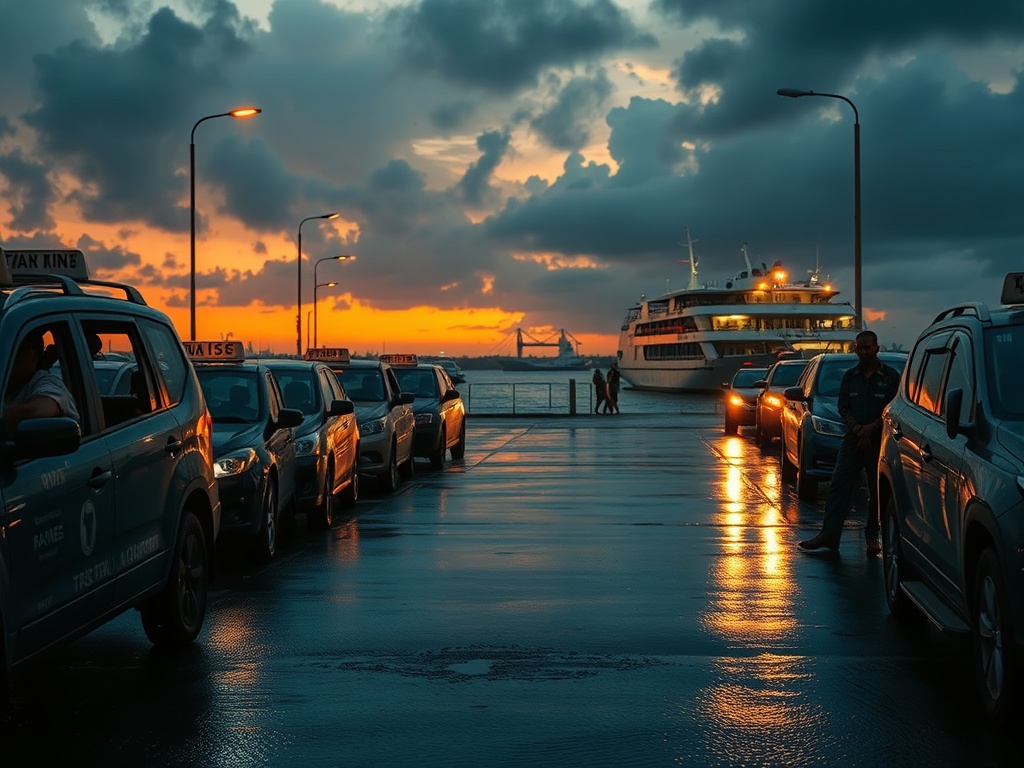
The taxi driver shakes his head as we sit in another traffic jam near the harbor. 'Ba eh taxi driverun ge boda kamai jaahilu kan magu thakuga dhekkumaky aammu kameh,' he says, not even looking at me. Just stating a fact. The rain starts again, that soft Maldivian drizzle that makes everything shimmer and stall at the same time.
We're all waiting. Waiting for the ferry that's always late, waiting for the cashless system to actually work when the bank transfers fail, waiting for the promises made during campaigns to materialize into something real. 'Mikahala kithanme kameh taxi thakun laiganey,' he continues, and I nod. We understand each other without saying much. This is our language now – shared exhaustion.
Sometimes I walk through the narrow streets of Malé after dark, past the pastel-colored buildings where laundry hangs limp in the humid air. The political chatter from televisions spills out of open windows – talk of Maldives 2.0, digital transformation, international forums. But down here, the concerns are more immediate. The price of rent, the struggle to make ends meet, the feeling that while the world sees paradise, we're navigating something more complicated.
There's a particular weariness that comes from watching the same patterns repeat. New names for old systems, new campaigns with familiar faces, the constant rotation of problems without solutions. 'Eyraku onna sarukaaregge bureega dhoo laigen ulheynee,' someone commented online, and we all knew exactly what they meant. That dry recognition of how things work here.
Yet in this fatigue, there's still connection. The shared eye-roll when another grand announcement comes, the dark humor about police reactions to opposition posts, the way we pass stories about customs scandals and cigarette containers like folk tales. These small moments of recognition – 'aha, you see it too' – become our solidarity.
The sea doesn't care about our politics. It continues its rhythm, washing against the seawall as it has for generations. Fishermen still mend their nets in the same way, grandmothers still hang their washing with the same careful motions. There's comfort in these continuities, in knowing that some things endure beyond the latest crisis or scandal.
We're not naive. We know the debt numbers are alarming, we know about the nepotism and the empty promises. But we also know how to find small spaces of dignity – in doing an honest day's work, in caring for our families, in sharing a laugh about the absurdity of it all. The taxi driver finally starts moving again. 'Bro kada v dho eyna hiki v ma,' he says with a tired smile. Exactly. We keep going, because what else can we do?