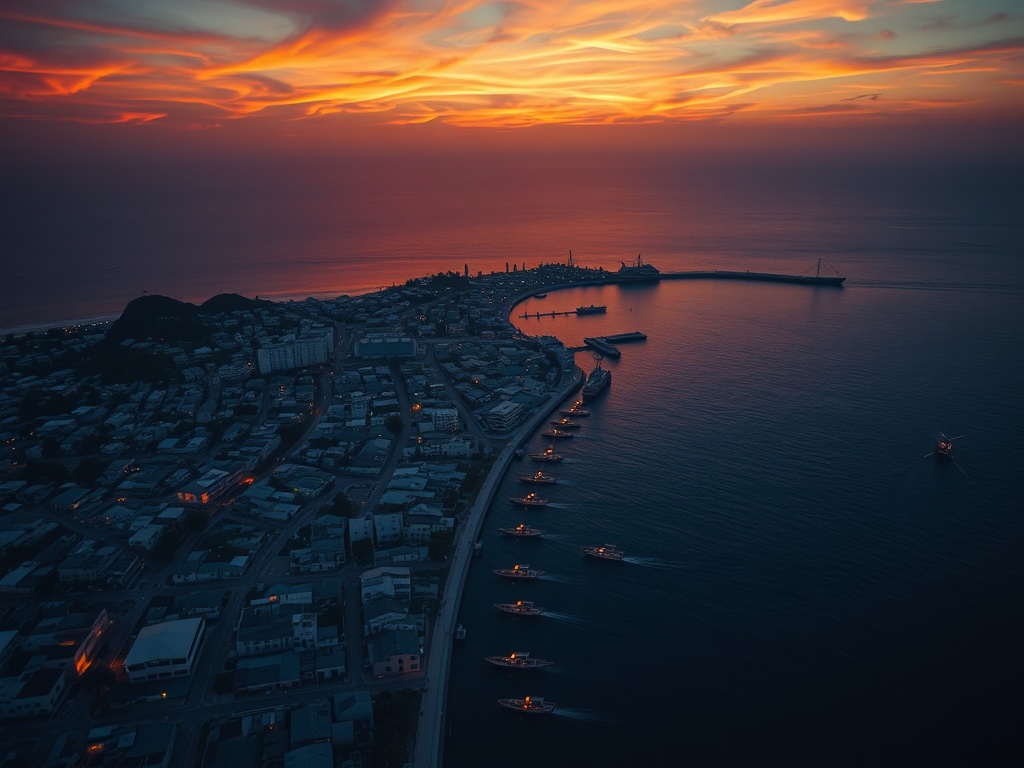
What Is Land If You Cannot Use It?
The question hangs in the humid air, as tangible as the sea breeze that carries it: what is land if you cannot use it? It echoes through the narrow streets of Malé, where space is measured in precious square feet, and across the scattered atolls where the ocean's embrace feels both comforting and confining.
There are those who argue that any Dhivehin should be able to settle wherever they choose, to buy land in any island as naturally as they might choose which fish to buy at the market. The dream is one of fluid movement—to build a life, then move on if circumstances change, carrying the value of that land with them like a treasured seashell. Yet reality paints a different picture, where a small plot in the capital holds value beyond imagination, while larger spaces in outer islands gather dust in both literal and economic terms.
Beneath these policy debates lies another truth—that education certificates don't always capture the full measure of a person's worth. There are hands that can build a boat without ever studying naval architecture, minds that understand the currents and seasons without formal marine biology degrees. How do we honor this wisdom in a world increasingly obsessed with paper qualifications?
The conversation inevitably turns to tourism, that golden goose that both sustains and confines us. Can we diversify without destroying what feeds us? The question hangs like the monsoon clouds, heavy with both promise and threat.
Some remember older policies—one primary residence, perhaps a second home elsewhere—that seemed to balance community needs with individual dreams. But the political landscape has shifted, and free land has become an expectation, a campaign promise that echoes through election seasons.
Perhaps the answer lies not in simple solutions but in nuanced ones: land for living given freely, but with conditions that ensure it serves its purpose. Tax systems that prevent exploitation while allowing for legitimate use. Environmental assessments that weigh development against preservation.
In the end, the land will belong to those who care for it, who build lives upon it, who understand that its true value isn't in its price tag but in the communities it sustains. The debate continues, as timeless as the tides that shape these islands.
— Source fragments: technically maybe not, but if you can't yourself wean out of the land and use it for anything else then what is it?; I think the correct policy is not to differentiate between Male' meeha or Raajetherey meeha; the thing is there are people who will not go through the education system no matter what; Can we diversify Maldives economy by destroying Maldives tourism?; The best land policy was 's policy; I don't believe in free land handouts; About land: I believe land for living shall be given for free; A 2000 sqft land in S. Hithadho on average is worth about 300-500k I believe; Ultimately the land will end up with the landowner