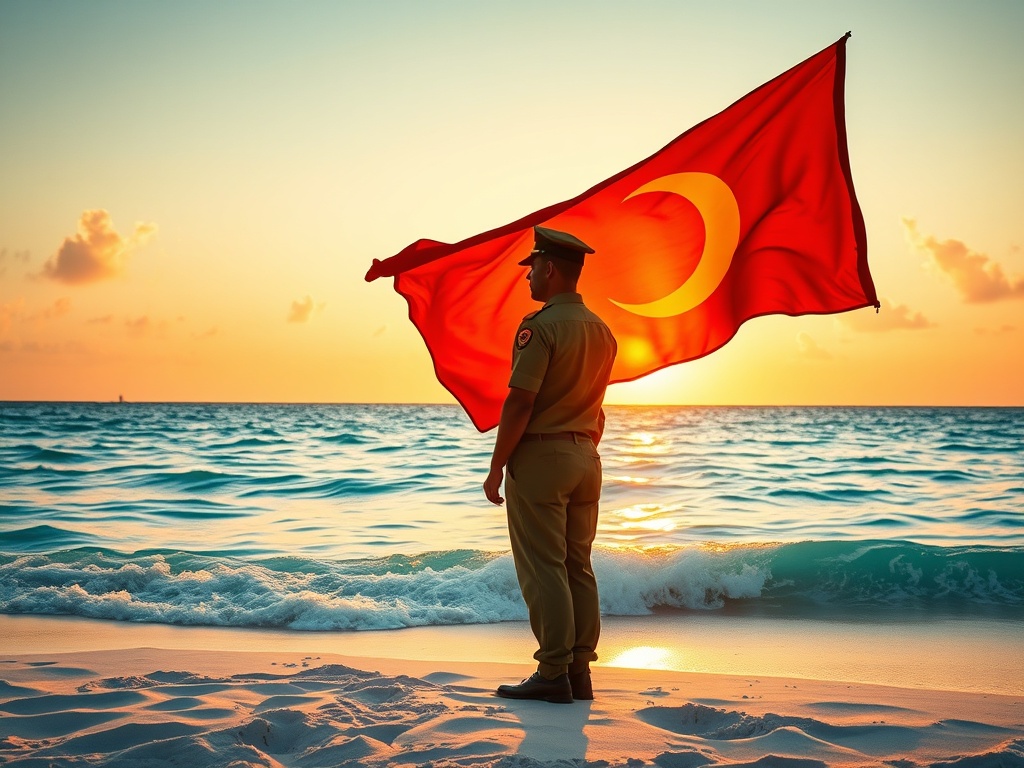
What Our Soldiers Guard When the Tourists Leave
The annual commemoration of Victory Day brings more than just remembrance of the heroes who defended the Maldives during the 1988 coup attempt. It ignites a fundamental debate about national security in the 21st century—one that touches on budgets, geopolitics, and the very meaning of independence.
Defense Minister Mohamed Ghassan Maumoon's declaration that the current administration has ended "15 years of neglect" in the defense sector reflects a significant policy shift. This isn't merely bureaucratic language; it represents a philosophical pivot toward viewing military capability as intrinsic to national sovereignty.
The arguments for increased defense spending, currently around 4% of budget, extend beyond traditional security concerns. Proponents frame it as essential for economic stability—arguing that credible defense capability attracts foreign investment by signaling national stability. The comparison resonates: "Security is important for bringing in investment too. Who's going to want to invest in a country that can't defend itself?"
Historical memory informs current policy. The 1988 coup attempt remains a visceral reference point, with discussions still circulating about the bravery of figures like retired Brigadier General Ibrahim Didi, who reportedly ran through gunfire to access the armory while then-President Maumoon sought shelter. These narratives underscore the perceived vulnerability that drives contemporary defense thinking.
The proposed military modernization includes drones, missile systems, and air force capabilities—assets that would represent a qualitative leap for the Maldives National Defence Force. At $30 million, such investments are defended as reasonable when contextualized against other national expenditures.
Geopolitical considerations loom large in these discussions. The lingering "India Out" campaign sentiment and allegations of previous administrations granting secret military bases to foreign powers have intensified calls for strategic diversification. Some voices advocate inviting other military powers like China or Turkey to create regional balance, viewing this as essential for maintaining true independence.
Critics question the scale and timing of military spending given pressing domestic needs, but supporters counter that defense isn't about imminent threats but about permanent readiness. The privacy analogy captures this mindset: "Your argument is the same as 'I don't need privacy because I have nothing to hide.'"
As the Maldives navigates this recalibration of its defense posture, the fundamental question remains: What price sovereignty? For a nation that has fiercely guarded its independence throughout history, the answer appears to be evolving in response to a rapidly changing regional landscape.
— Source fragments: wealth is generated over time; we should spend on serious military hardware; independence is worth spending for; Defense Minister stated end to 15 years of neglect; security important for investment; 4% barely anything; defense important even without imminent threat; $30 million not much; need drones and missiles; balance out Indian military; we have independence because we spend on military