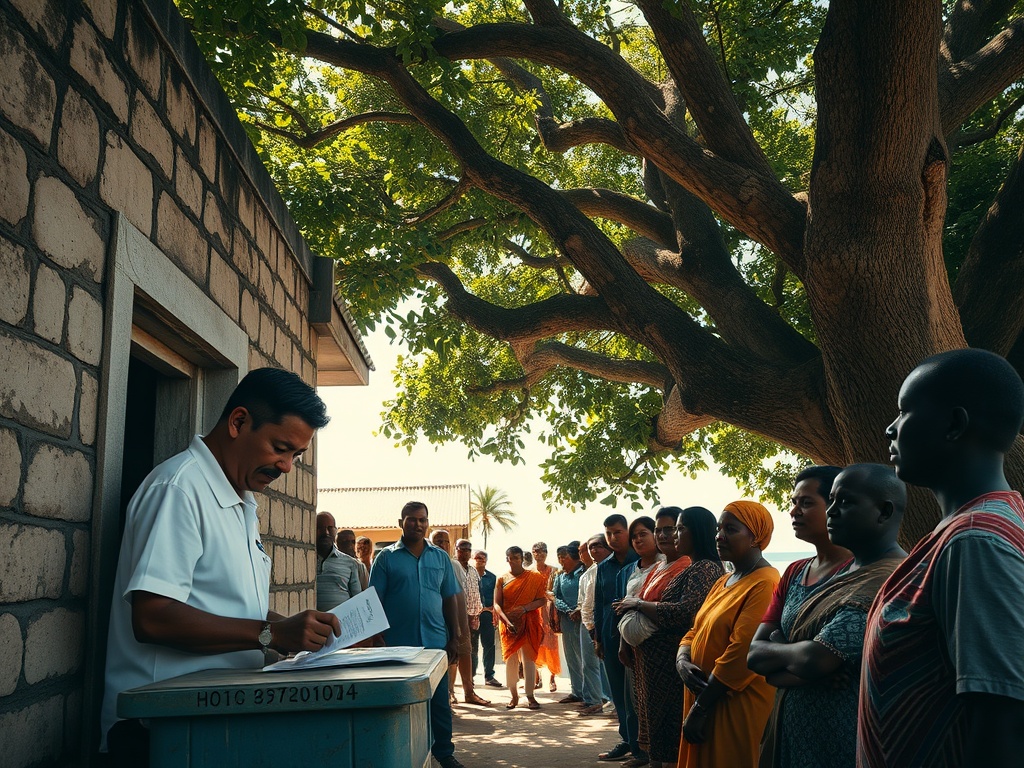
When a Candidate Wins With Just 34% of the Vote
The debate over electoral reform in the Maldives has moved from academic discussion to urgent public demand. At its core lies a recognition that the current first-past-the-post system creates fundamental distortions in political representation. When candidates can secure office with merely a plurality of votes rather than majority support, questions about legitimacy become unavoidable. Some critics go so far as to suggest that such winners are effectively "recalled by default" before they even take office—a provocative framing that captures the depth of dissatisfaction with the status quo.
This systemic critique extends to campaign financing, where the current opaque environment fosters what many describe as institutionalized bribery. The call for regulated lobbying—through specific, transparent firms that could legally channel campaign funds—represents a pragmatic attempt to replace shadowy transactions with accountable mechanisms. The argument isn't whether campaigns need financing, but how to ensure that process doesn't corrupt the democratic exercise itself.
Meanwhile, questions about candidate qualifications reveal another dimension of the reform conversation. The election of 24-year-old Ali Waheed to parliament in 2009 demonstrated that youth alone isn't a barrier to political success, but it raises deeper questions about what criteria voters should prioritize. Age, experience, integrity, and policy positions all compete for attention in an electoral landscape where personality often overshadows substance.
The timing of these discussions is critical. With presidential elections looming and speculation already building about 2028 contenders, the window for meaningful reform may be closing. The absence of published donor lists—a basic transparency measure—underscores how far current practices fall from democratic ideals. When citizens cannot trace the financial influences shaping their political choices, the very foundation of representative government erodes.
These interconnected issues—voting systems, campaign finance, candidate qualifications, and transparency—form a comprehensive challenge to Maldives' democratic development. Addressing them requires moving beyond partisan politics to confront structural weaknesses that affect all parties and candidates. The alternative is continuing with a system that many believe no longer serves the Maldivian people's aspirations for genuine, accountable governance.
— Source fragments: The first debate should therefore be about the election system; Recall system requires fundamental changes including the first past the post election system; did he published the donors list; Lobbying needs to be allowed here provided there are specific lobbying firms through which political campaigns could be financed; When is the Vote; Youngest ever; are you going to contest in PE 2028