When a heart attack is politicized!
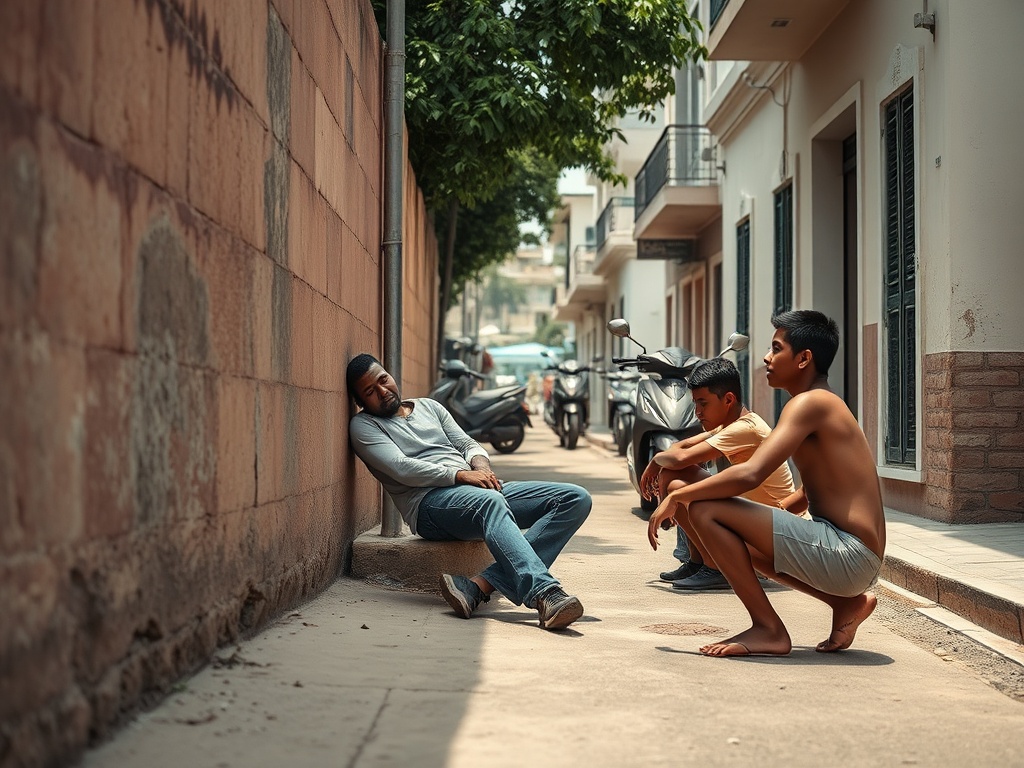
Imagine a man clutching his chest, gasping for breath on a Malé sidewalk. His heart is failing. But in today's Maldives, even this private agony isn't safe from public spectacle. Instead of a unified response, what follows? A flurry of social media posts, accusations of negligence from opposition voices, and government statements deflecting blame. The human suffering becomes secondary to the political point-scoring. Why does our society reduce a health crisis to partisan ammunition?
This isn't just about one man's heart. It's a symptom of a deeper sickness in our body politic. When every event—from a medical emergency to a housing allocation—is filtered through a lens of 'us versus them,' we lose our collective humanity. The very systems meant to protect us, like Aasandha, are weaponized. Politicians talk of 'the people,' but their actions often treat citizens as pawns in a larger game for power. Where did our compassion go?
The answer lies in the erosion of trust. Decades of perceived corruption, from the MPRC scandal to allegations of nepotism in ministerial appointments, have left the public cynical. When people believe the system is rigged, they stop seeing each other as neighbors and start seeing each other as rivals. The 'India Out' campaign and the constant political feuding between PNC and MDP factions aren't just foreign policy debates—they seep into our daily interactions, poisoning our communal well.
Consider the practical consequences. An over-politicized environment paralyzes effective governance. A doctor might hesitate to treat a known government critic. A housing official could prioritize a party loyalist over a genuinely needy family. The bloated, politically-appointed public sector becomes less about service and more about patronage. This isn't efficiency; it's institutional decay masked as political strength.
So, what's the solution? It begins with reclaiming narrative sovereignty. We must stop allowing politicians to define our realities. Community-led initiatives, independent fact-checking, and a renewed emphasis on local journalism can create spaces for dialogue outside partisan frameworks. The youth, often disillusioned by drugs and unemployment, possess the energy to demand better. Their future depends on a system that prioritizes people over politics.
Ultimately, a heart attack should be a medical issue, not a political one. The fact that it can be 'politicized' reveals how far we've strayed. The path back requires courage—to call out exploitation regardless of which side does it, to prioritize human dignity over party loyalty, and to remember that before we are PNC or MDP, we are Maldivians sharing a fragile set of islands. Our survival, like that man's heart, depends on it.