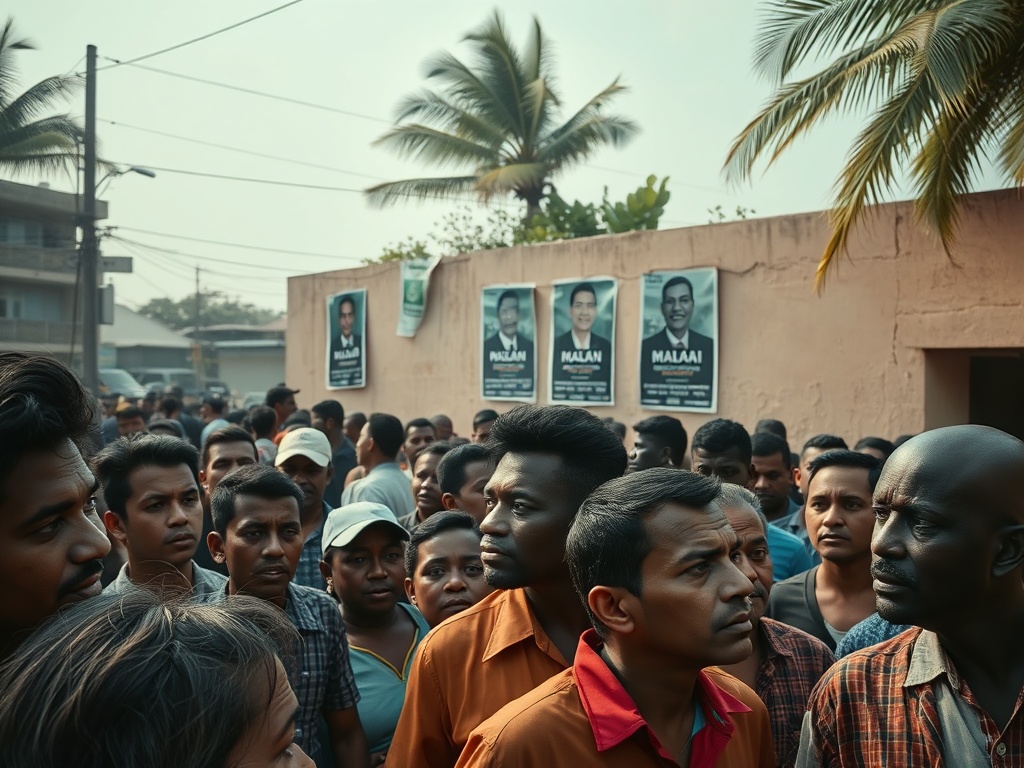
When a Leader's Words Don't Match Their Alliances
In the Maldives, political survival depends on more than policy—it hinges on maintaining public trust through consistent messaging and judicious associations. When leaders falter in communication or align with controversial figures, they risk permanent damage to their credibility.
Recent public discourse reveals a growing impatience with politicians who demonstrate poor messaging skills. The ability to articulate vision and policy clearly isn't just an asset—it's considered fundamental to leadership competence. When this skill is absent, voters question whether basic governance responsibilities are being met. "Does he not have a job to do?" becomes more than rhetorical; it reflects genuine concern about whether leaders are focused on their actual duties.
The public's memory for political missteps is long and unforgiving. Associations with controversial figures, even in seemingly unrelated contexts like financial advice, become permanently attached to a politician's image. These connections reinforce existing perceptions and can overshadow policy achievements. What might be dismissed as minor lapses elsewhere become defining characteristics in the Maldivian political landscape.
This scrutiny extends to political appointments, where the public applies rigorous standards. The suggestion that certain individuals should be "boycotted from all parties" reflects a zero-tolerance approach to questionable political tracks. Voters have become adept at reading between the lines of political careers, watching for patterns of reliability and trustworthiness rather than isolated achievements.
Meanwhile, government communication faces its own credibility crisis. When every government action is automatically labeled "landmark" regardless of actual impact, the public grows skeptical of all official messaging. This hyperbole erodes the very foundation of trust that effective governance requires.
The underlying tension reflects a society navigating rapid change while holding leaders to traditional standards of accountability. In a nation where political loyalties run deep, the willingness to criticize across party lines suggests a maturation of democratic consciousness. Voters are no longer satisfied with tribal allegiance—they demand demonstrated competence and ethical consistency.
What emerges is a political culture in transition: still passionate, still partisan, but increasingly pragmatic about the qualities that actually constitute effective leadership. The message from the electorate is clear—in the Maldives' evolving democracy, trust must be earned through consistent action, transparent communication, and associations that withstand public scrutiny.
— Source fragments: nah he is bad with messaging and propaganda. if he was good he would still be president; Does he not have a job to do?; I am not angry. It just fits with Waheed’s image. So getting financial advice from Abu Jahl is all good; you will lose entire respect of the country if you assign him a political position. Because that’s gonna be messed up. How can you even trust him?; Everything that the Gov does is considered 'landmark'