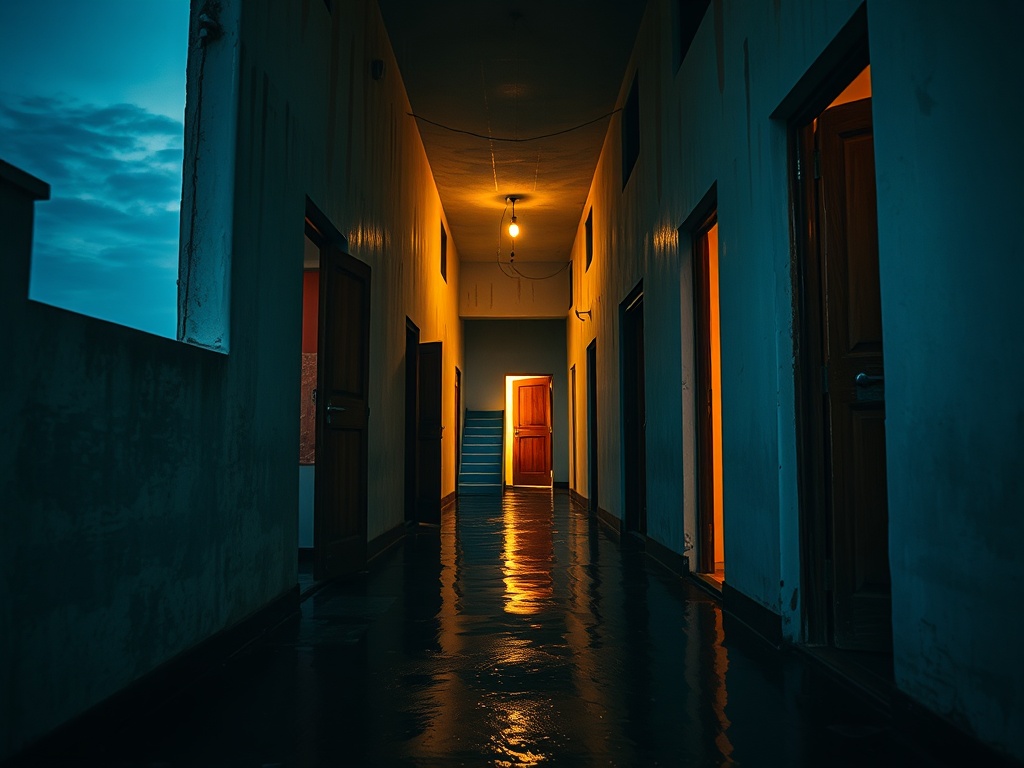
When a Neighbor Mistakes You for a Corporate Office
In the digital age, the question 'When is a problem really a problem?' takes on new dimensions in the Maldivian context. What might appear as a simple case of mistaken identity—a neighbor confusing someone for a corporate entity—actually speaks to fundamental shifts in how we perceive community and connection in our increasingly urbanized society.
The anecdote of being mistaken for a 'limited liability company' by a neighbor captures a peculiar modern phenomenon. In Malé, where population density ranks among the highest globally, physical proximity no longer guarantees social familiarity. The capital's rapid urbanization has transformed traditional community structures, creating environments where neighbors can remain strangers despite sharing walls and common spaces.
This urban anonymity reflects broader societal changes. As Maldivians navigate the pressures of high living costs and economic uncertainty, the distinction between personal and corporate identities blurs. Many residents juggle multiple roles—employee, entrepreneur, family provider—creating fragmented identities that can confuse even those living next door. The humorous confusion between person and business entity mirrors how economic pressures have commercialized social relationships.
The situation highlights a paradox of modern Maldivian life: unprecedented connectivity through digital platforms coexists with diminishing genuine neighborhood connections. While social media allows for instantaneous communication across islands, it often replaces the organic interactions that once defined community life. The 'anonymous neighbor' phenomenon becomes symptomatic of this transition, where digital familiarity substitutes for physical community.
Yet within this apparent social fragmentation, opportunities for reimagining community emerge. The very platforms that enable this anonymity also provide spaces for new forms of connection. Community groups, neighborhood forums, and digital networks are creating alternative structures for social cohesion, adapting traditional Maldivian values of community to contemporary urban realities.
The challenge lies in balancing modernization with preservation of social bonds that have long defined Maldivian culture. As the nation grapples with housing crises and urban congestion, the quality of human connections remains crucial to social well-being. The neighbor who mistakes a person for a corporation isn't just making a humorous error—they're reflecting the complex interplay between economic pressures, urban living, and the enduring human need for meaningful connection in a rapidly changing Maldives.
— Source fragments: When is a problem really a problem? Did you have a anonymous neighbor Sis thought I was a limited liability company