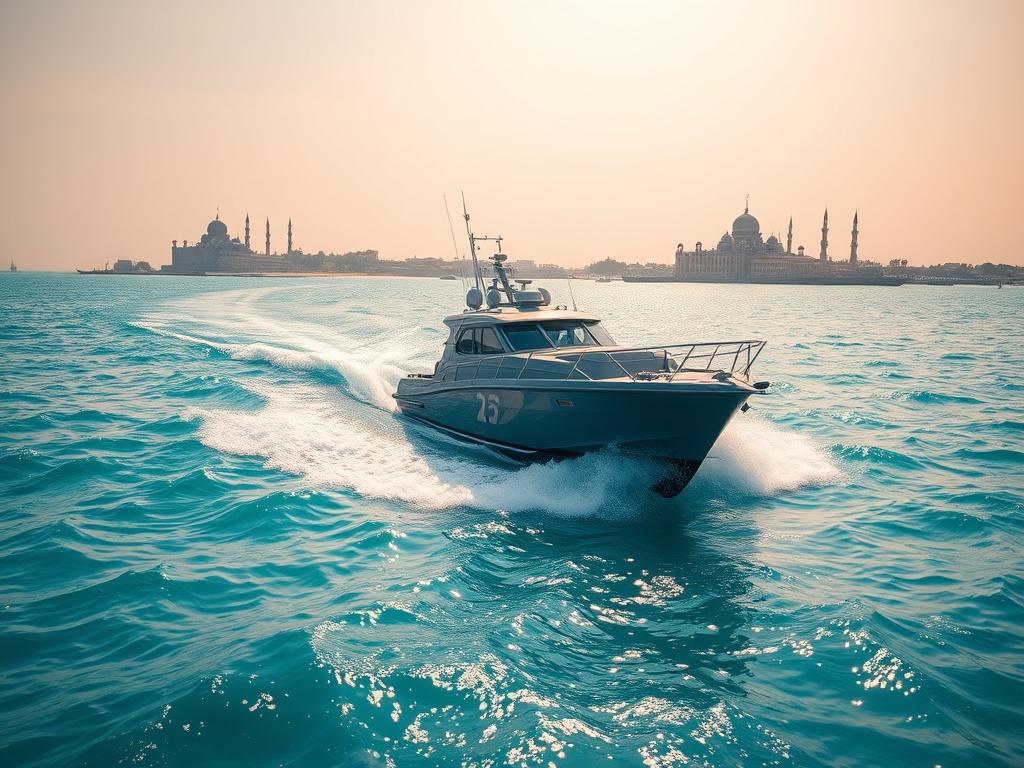
When a Patrol Boat Is Your Strongest Argument
The conversation around national defense in the Maldives has evolved beyond simple security concerns into a sophisticated debate about sovereignty, negotiation leverage, and strategic positioning in the Indian Ocean region. While the archipelago faces no imminent military threats, a compelling argument is emerging that defense capabilities serve purposes far beyond battlefield readiness.
Proponents of increased military spending draw parallels with Singapore—another small nation that maintains substantial defense capabilities despite its size. The comparison isn't about matching budgets dollar-for-dollar, but understanding the underlying principle: sovereign nations invest in defense to strengthen their negotiating position with larger neighbors. This perspective reframes military spending not as preparation for conflict, but as insurance against geopolitical pressure.
The recent government investments in rehabilitating MNDF and police facilities reflect this strategic thinking. Rather than arming the population indiscriminately, the focus remains on professionalizing security forces—creating what advocates describe as a "Swiss model" of responsible, trained citizen defense that maintains public order while deterring external interference.
Critics point to nations like Iceland, which maintains zero military spending while ranking among the world's safest countries. Yet defense advocates counter that geographical realities differ, and the Maldives' strategic location in vital shipping lanes creates unique vulnerabilities that require unique solutions.
The debate has moved beyond simple hardware acquisition to questions of capability matching. While drones and surveillance systems receive broad support for their practical applications in maritime monitoring and disaster response, questions remain about the strategic purpose of missile systems and whether they represent the most effective use of limited resources.
Historical context informs current thinking. References to past Indian military presence and its eventual departure after the November 3 incident suggest that calibrated defense posturing, combined with diplomatic channels, can produce results without escalating to confrontation.
What emerges is not a call for militarization, but for strategic sovereignty—the ability to conduct foreign policy from a position of strength rather than vulnerability. As one perspective puts it, this isn't about preparing for war, but about ensuring the nation isn't negotiating from weakness. In a region where geopolitical currents are shifting, the Maldives appears to be calculating that some measure of defensive capability may be the price of maintaining independent agency in an increasingly contested ocean.
— Source fragments: Singapore military spending comparison, sovereignty arguments, historical reference to Indian military departure after Nov3, Swiss gun ownership model, debate about purpose of missiles vs drones, Iceland zero military budget counterpoint