When Allegiance Shatters Truth
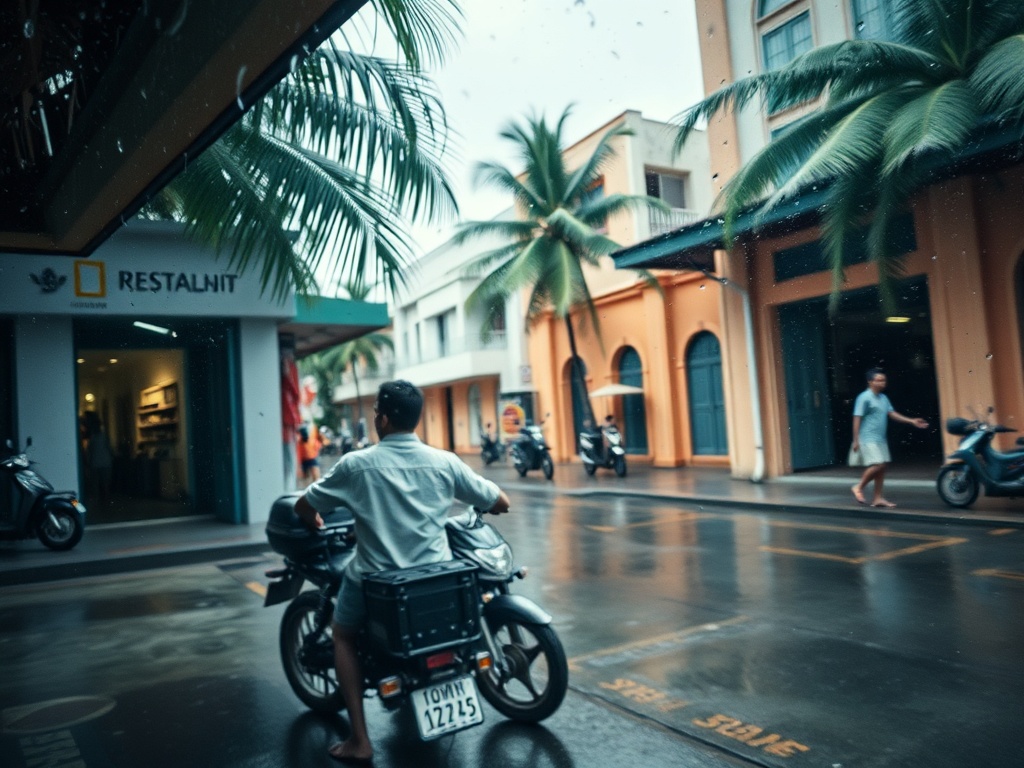
The shop windows stand intact along the narrow streets of Malé, their glass panes reflecting the afternoon sun. Anyone could shatter them with a thrown stone, yet they remain whole. This simple observation about restraint in daily life becomes a metaphor for something deeper—the way we choose which truths to break and which to preserve.
In these islands where everyone knows everyone, conversation becomes currency. We trade in words, but often the value isn't in their accuracy—it's in who spoke them and whether we like what they said. The content becomes secondary to the speaker, truth a casualty of allegiance. This selective hearing creates invisible walls thicker than any concrete barrier.
Meanwhile, certificates arrive from distant shores, their authenticity questioned in hushed tones. Laughter echoes about how easily systems can be gamed, but beneath the humor lies the unease of knowing that what should be solid ground feels increasingly like shifting sand. The very foundations of trust—in documents, in words, in promises—begin to erode.
In this environment, dialogue becomes performance. We speak past each other, our positions predetermined by tribal loyalties rather than genuine engagement. The fear isn't of being wrong, but of being disloyal. The real casualty becomes our collective ability to solve problems, to build together, to see our shared challenges clearly.
Yet the windows remain unbroken. The physical restraint we exercise with property contrasts sharply with the verbal recklessness we display with truth. Perhaps the same discipline that keeps stones in hands could be applied to words—holding them carefully, considering their impact before releasing them into the world.
In a nation small enough that every voice carries, every word matters. The space between us is too narrow for careless speech. What if we treated truth with the same respect we show those shop windows—as something fragile, valuable, and belonging to everyone?
— Source fragments: "that's not how it work brother. countries don't start wars just because they can. see all the glass windows in shops? Anybody can throw a rock and shatter it. But are people doing it? No. that's not how it works." "What makes it difficult to have any meaningful dialogue with most Maldivians on X is that we often decide what's right or wrong not based on the content itself, but on whether we like what was said." "very likely true. cos they bring fake certificates. its hilarious actually. Lankans will be joking how easy its to game the system here."