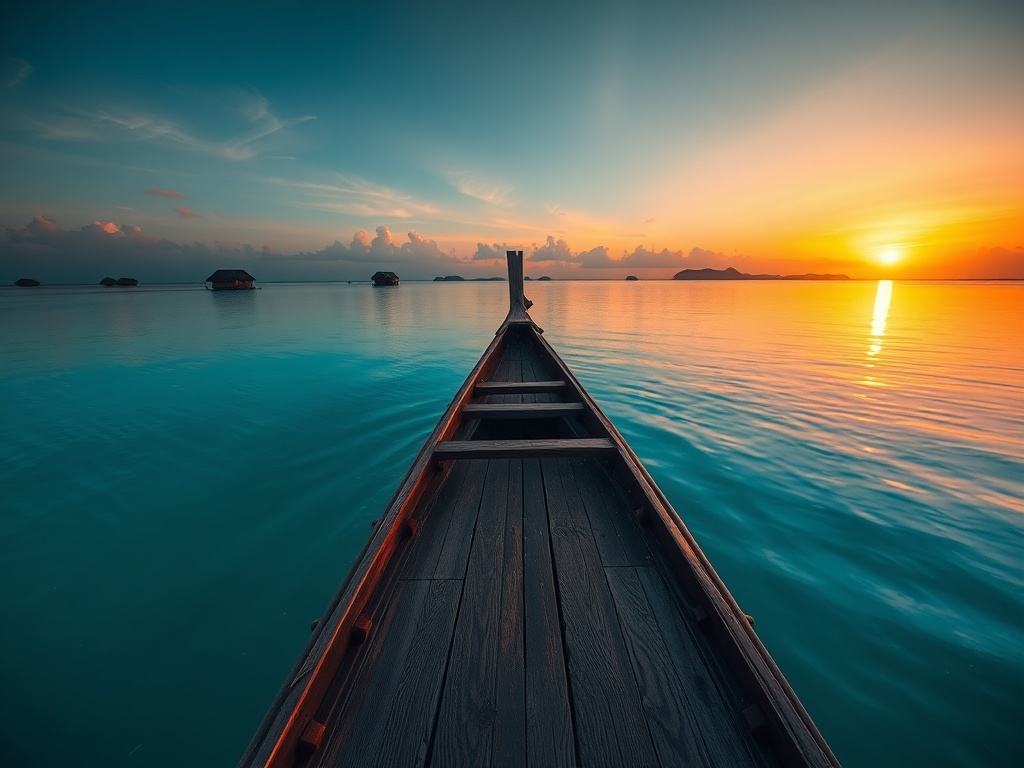
When Boundaries Define Community
I was watching the sea today—the way it separates islands while connecting them through its currents. It made me think about the nature of boundaries, how we draw them around ourselves for protection, for identity, for survival. Emergency vehicles with flashing lights that serve only certain communities, land claimed as sacred territory, financial charts predicting support zones and resistance levels—these are all different languages describing the same human impulse: to create spaces where we belong.
In the Maldives, we understand this tension. Each island is its own small world, connected yet separate. We have our own ways of caring for each other, our own systems of support that feel familiar and safe. When someone falls ill, the neighbors bring food. When a family struggles, the community gathers. These are our emergency services, our ambulances of compassion.
Yet I wonder about the lines we draw. The sea doesn't discriminate in its giving—it provides for all islands equally, its fish swim between atolls without checking passports. The monsoon rains fall on every rooftop, Muslim and non-Muslim alike. The coral reefs protect all shores from erosion.
There's a delicate balance between preserving what makes us unique and recognizing our shared humanity. The same instinct that builds community can also build walls. The same protective impulse that creates safe spaces can exclude others from safety.
Tonight, as the call to prayer echoes across the water, I think about how faith should expand our circles of care, not contract them. How the most sacred soil is that which welcomes the stranger, how the truest emergency service is one that helps anyone in need. The boundaries between us are real, but so is the ocean that connects all islands—and the humanity that flows through us all like the same salt water.
— Source fragments: Shomrim police force serving only Jewish community; Jewish ambulance service not helping non-Jews; Northern Cyprus as Muslim soil